
Acute Sinusitis

Disclaimer: Disclaimer: This leaflet provides general information and is intended for educational purposes only. It should not be used as a substitute for professional medical advice, diagnosis, or treatment. Always seek the advice of a qualified healthcare professional for any health concerns or before making any decisions related to your health or treatment.
This leaflet may contain links to external websites or resources (e.g. YouTube) for demonstration purposes; however, these links are provided for information only. Clinicol.co.uk is not affiliated with, does not endorse, and is not responsible for the content, accuracy, or copyright compliance of these external sources. Use of these external links is at your own discretion and risk.
Overview
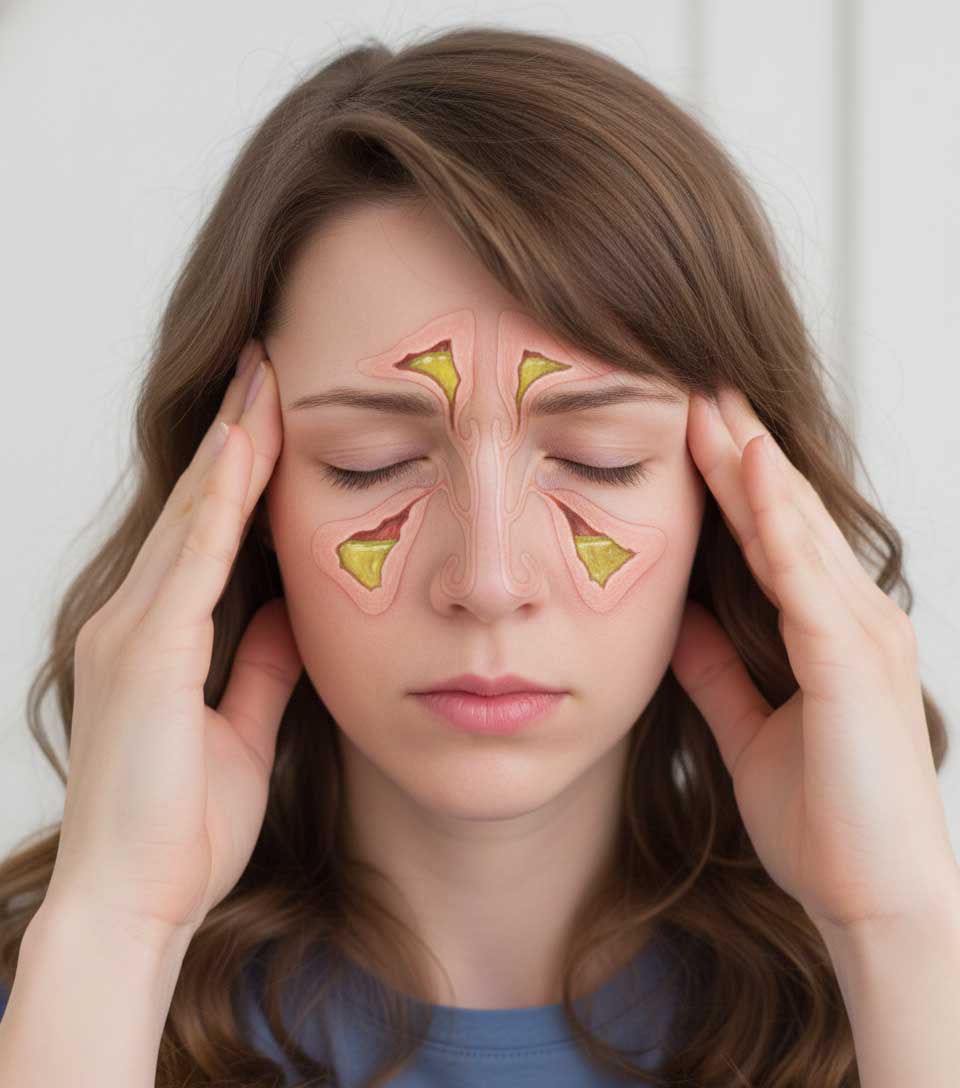
Acute sinusitis, also known as a sinus infection, is a common condition characterized by inflammation of the sinuses. Sinuses are air-filled spaces within the skull bones, located around the nose, cheeks, and forehead. They produce mucus, which helps to moisturize the nasal passages and trap foreign particles like dust, allergens, and bacteria. When the sinuses become inflamed and swollen, they can become blocked, leading to a buildup of mucus and the development of an infection.
Acute sinusitis can be caused by various factors, most commonly viral infections such as the common cold. Other causes include bacterial infections, allergies, and irritants like pollutants or smoke. The condition typically resolves within a few weeks with appropriate treatment, but in some cases, it can persist and become chronic sinusitis.
Symptoms and Causes
The symptoms of acute sinusitis can vary from person to person but typically include:
- Nasal congestion and stuffiness
- Thick, discoloured nasal discharge (yellow or green)
- Facial pain or pressure, especially around the cheeks, forehead, or eyes
- Headache
- Reduced sense of smell or taste
- Cough
- Fatigue
- Fever (in some cases)
- Bad breath
- Toothache (sometimes)
As mentioned earlier, viral infections like the common cold are the most frequent cause of acute sinusitis. The viruses responsible for colds can also infect the sinuses, leading to inflammation and blockage. Bacterial infections can sometimes follow a viral infection, further complicating the condition. Allergies, such as hay fever, can also trigger sinusitis by causing inflammation of the nasal passages and sinuses. Irritants like pollutants, smoke, or strong odors can also irritate the sinuses and contribute to the development of sinusitis. Certain structural abnormalities in the nose, like a deviated septum or nasal polyps, can also increase the risk of sinus infections.
Diagnosis and Investigations
Diagnosing acute sinusitis usually involves a combination of physical examination and evaluation of your symptoms. Your doctor will ask about your symptoms, medical history, and any potential triggers or risk factors. They will also examine your nose and sinuses, looking for signs of inflammation, swelling, or blockage.
In some cases, further investigations may be needed to confirm the diagnosis or rule out other conditions. These investigations can include:
- Nasal endoscopy: A thin, flexible tube with a light and camera is inserted into your nose to visualise the nasal passages and sinuses.
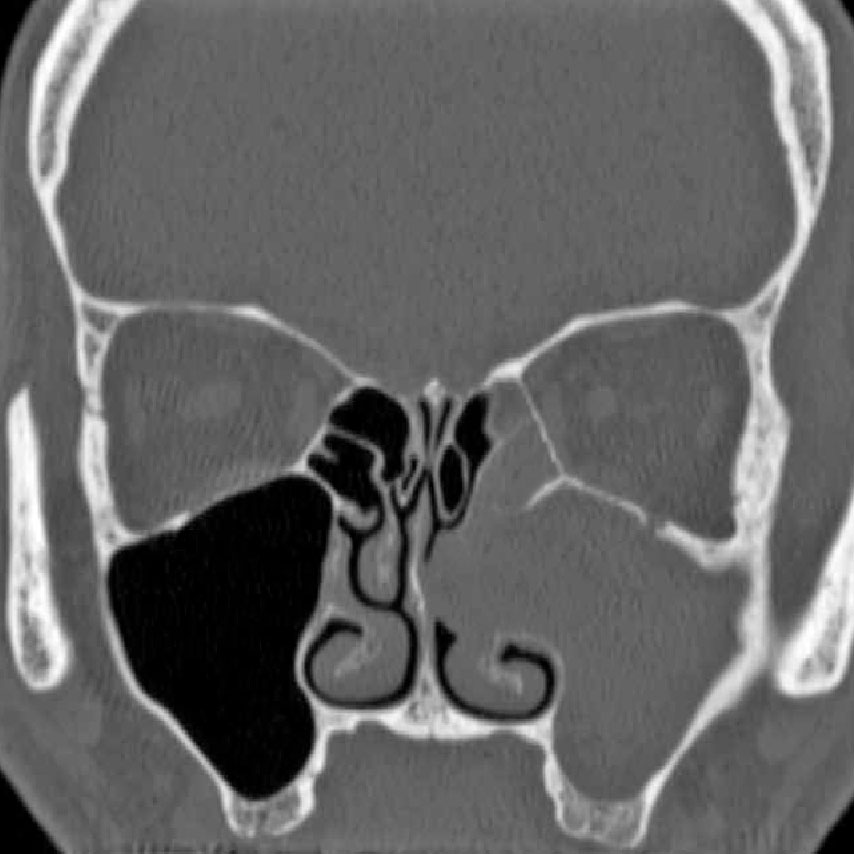
- Imaging studies: CT scans or X-rays of the sinuses can provide detailed images of the sinuses and help identify blockages or other structural abnormalities.
- Allergy testing: If allergies are suspected as a contributing factor, allergy testing may be performed to identify specific allergens that trigger your symptoms.
- Mucus culture: In cases of severe or recurrent sinusitis, a sample of your nasal discharge may be taken and analysed to identify the specific bacteria causing the infection.
Management and Treatment
The treatment for acute sinusitis aims to relieve symptoms and address the underlying cause of the inflammation. Treatment options include:
Self-care measures: These measures can help alleviate symptoms and promote sinus drainage. They include:
- Drinking plenty of fluids to stay hydrated and thin the mucus
- Using saline nasal sprays or rinses to flush out nasal passages
- Applying warm compresses to the face to relieve pain and pressure
- Inhaling steam from a bowl of hot water or taking a hot shower to help open up the sinuses
- Getting enough rest
Medications: Several medications can help treat acute sinusitis, including:
- Pain relievers: Over-the-counter pain relievers like acetaminophen or ibuprofen can help relieve pain and fever.
- Decongestants: Decongestant nasal sprays or oral medications can help reduce nasal congestion, but they should not be used for more than a few days to avoid rebound congestion.
- Nasal corticosteroids: These nasal sprays help reduce inflammation in the nasal passages and sinuses.
- Antibiotics: Antibiotics are typically prescribed only for bacterial sinusitis. Viral sinusitis does not respond to antibiotics. If your doctor prescribes antibiotics, it's crucial to complete the entire course, even if your symptoms improve, to prevent antibiotic resistance.
- Antihistamines: If allergies are contributing to your sinusitis, antihistamines may be helpful in relieving allergy symptoms.
- Mucolytics: These medications can help thin the mucus and make it easier to drain from the sinuses.
Surgery: In rare cases, surgery may be necessary to improve sinus drainage or remove blockages, such as nasal polyps or a deviated septum.
Prevention
Several measures can help prevent acute sinusitis, including:
- Washing hands frequently: Regular handwashing can help prevent the spread of viruses and bacteria that can cause sinusitis.
- Avoiding close contact with sick people: If someone you know has a cold or other respiratory infection, try to avoid close contact to reduce your risk of getting sick.
- Managing allergies: If you have allergies, take steps to minimize exposure to your allergens. This might include using allergy medications, keeping your home clean and dust-free, and using air filters.
- Avoiding irritants: Avoid exposure to irritants like smoke, pollutants, and strong odors, as they can irritate the sinuses and increase the risk of infection.
- Staying hydrated: Drinking plenty of fluids can help keep the mucus thin and prevent sinus blockages.
- Using a humidifier: Dry air can irritate the sinuses, so using a humidifier can help keep the nasal passages moist and prevent dryness.
- Getting a flu vaccine: Getting vaccinated against the flu can help reduce your risk of getting the flu, which can sometimes lead to sinusitis.
- Quitting smoking: Smoking damages the cilia, the tiny hair-like structures that line the nasal passages and help clear mucus from the sinuses. Quitting smoking can improve sinus health and reduce the risk of infections.
Outlook / Prognosis
Acute sinusitis usually resolves within a few weeks with appropriate treatment. Most people recover fully without any long-term complications. However, in some cases, acute sinusitis can persist and become chronic sinusitis, especially if there is an underlying problem such as allergies or structural abnormalities in the nose. Prompt treatment and management of acute sinusitis can help prevent the development of chronic sinusitis and improve your overall sinus health.
Need Expert Advice?
Book a consultation with Mr Ahmad Hariri to discuss your symptoms and treatment options.
Book a Consultation