
Allergic Rhinitis

Disclaimer: Disclaimer: This leaflet provides general information and is intended for educational purposes only. It should not be used as a substitute for professional medical advice, diagnosis, or treatment. Always seek the advice of a qualified healthcare professional for any health concerns or before making any decisions related to your health or treatment.
This leaflet may contain links to external websites or resources (e.g. YouTube) for demonstration purposes; however, these links are provided for information only. Clinicol.co.uk is not affiliated with, does not endorse, and is not responsible for the content, accuracy, or copyright compliance of these external sources. Use of these external links is at your own discretion and risk.
Overview
Allergic rhinitis, often known as hay fever, is a very common condition where the lining inside your nose becomes inflamed. This happens because your immune system, which normally protects you from harmful germs, overreacts to harmless airborne substances called allergens. These allergens can include things like pollen from trees, grasses, and weeds, tiny house dust mites, mould spores, or dander (tiny flakes of skin and hair) from pets like cats and dogs.
When you come into contact with these allergens, your body mistakenly sees them as a threat. This triggers an allergic reaction, causing swelling and irritation inside your nose. While it might seem like just a runny nose or a few sneezes, allergic rhinitis can significantly affect your daily life. It can make it hard to sleep well, concentrate at work or school, and enjoy your usual activities. It’s also important to know that allergic rhinitis is a risk factor for developing asthma, and if you already have asthma, it can make your asthma symptoms worse.
This condition affects many people in the UK, impacting about 10-15% of children and around 26% of adults. It is, in fact, the most common long-term illness in childhood. The good news is that with the right understanding and management, the symptoms of allergic rhinitis can be effectively controlled, allowing you to live a much more comfortable life.
Symptoms and Causes
Allergic rhinitis occurs when your immune system becomes overly sensitive to specific allergens. When these allergens enter your nose, they trigger a chain reaction that leads to inflammation and the uncomfortable symptoms you experience. Understanding what causes your symptoms and how they present is the first step towards managing the condition effectively.
Symptoms
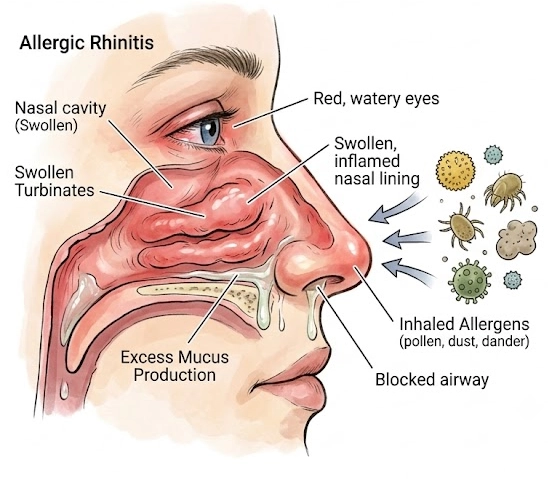
The symptoms of allergic rhinitis can vary from person to person, but they typically involve the nose, eyes, and throat. They can range from mild to severe and can significantly impact your quality of life, sleep, and ability to perform daily tasks. Here are the common symptoms:
- Persistent Sneezing: You might find yourself sneezing many times in a row, often feeling like you can't stop.
- Runny Nose: This usually involves a clear, watery discharge from your nose, which can be constant and bothersome.
- Blocked or Stuffy Nose: The lining inside your nose can swell, making it feel blocked and difficult to breathe through. This can be particularly troublesome at night, affecting your sleep.
- Itchy Nose, Eyes, Throat, and Ears: A strong, irritating itch is a hallmark symptom. You might feel the need to rub your nose or eyes frequently.
- Watery, Itchy, and Red Eyes (Allergic Conjunctivitis): Your eyes can become red, feel gritty, and water excessively. This is often called allergic conjunctivitis and can make your eyes feel very uncomfortable.
- Coughing: Irritation in the throat, often from mucus dripping down from the nose (post-nasal drip), can lead to a cough.
- Sore Throat: The constant irritation and post-nasal drip can also make your throat feel sore or scratchy.
- Fatigue: Poor sleep due to nasal congestion and the body's reaction to allergens can leave you feeling tired and lacking energy throughout the day.
These symptoms can make it hard to concentrate, affect your performance at work or school, and generally reduce your enjoyment of daily activities.
Causes
Allergic rhinitis is an allergic reaction where your immune system overreacts to specific airborne allergens. This reaction involves a type of antibody called IgE, which triggers inflammation in the lining of your nose. The condition is broadly categorised by the type of allergen and when symptoms occur:
- Seasonal Allergic Rhinitis (Hay Fever): This type is triggered by outdoor allergens that are present during specific times of the year.
This is why it's often called "hay fever," as symptoms typically appear during the spring and summer months when pollen counts are high. - Pollen: The most common trigger, released by trees in spring, grasses in late spring and summer, and weeds in late summer and autumn.
- Mould Spores: Certain outdoor mould spores can also trigger symptoms, particularly in damp weather.
- Perennial Allergic Rhinitis: This type causes symptoms year-round because it's triggered by allergens that are present indoors throughout the year.
- House Dust Mites: Tiny creatures that live in dust, bedding, carpets, and upholstered furniture.
- Pet Dander: Tiny flakes of skin, saliva, and urine from animals, especially cats and dogs.
- Indoor Mould: Mould can grow in damp areas of your home, such as bathrooms and kitchens.
- Occupational Allergic Rhinitis: This less common type is caused by allergens found in the workplace.
- Workplace Allergens: Examples include flour dust for bakers, wood dust for carpenters, or latex for healthcare workers. Symptoms usually improve when away from work.
Regardless of the specific trigger, the underlying cause is your immune system's exaggerated response to these otherwise harmless substances.
Diagnosis and Investigations
Getting an accurate diagnosis for allergic rhinitis is important for effective management. Your doctor will typically start by listening carefully to your symptoms and asking detailed questions about your health history.
Diagnosis
The diagnosis of allergic rhinitis is usually made based on a thorough discussion of your symptoms and a gentle examination of your nose. This process is often called an "allergy-focused history" and involves:
- Detailed Symptom History: Your doctor will ask about the specific symptoms you experience, such as sneezing, runny nose, blocked nose, and itchy eyes. They will want to know when your symptoms started, how often they occur, how severe they are, and what seems to make them better or worse.
- Identifying Triggers: You'll be asked if you've noticed any patterns, such as symptoms appearing only during certain seasons (like spring or summer), or if they are worse when you are around pets, in dusty environments, or at work. This helps to identify potential allergens.
- Impact on Daily Life: Your doctor will also ask how your symptoms affect your sleep, daily activities, work, or school performance. This helps to classify the severity of your condition (mild, moderate, or severe) and whether it's intermittent (comes and goes) or persistent (ongoing).
- Nasal Examination: A gentle examination of the inside of your nose will be performed to look for signs of inflammation, swelling, or increased mucus production.
Based on this information, your doctor can usually make a confident diagnosis of allergic rhinitis.
Investigations
While a clinical diagnosis is often sufficient, sometimes further investigations are needed, especially if the cause of your symptoms is unclear, if your symptoms are severe and persistent, or if initial treatments haven't been effective. These tests help to pinpoint the exact allergens that are triggering your reaction:
- Allergy Blood Tests (Specific IgE or RAST Tests): These blood tests measure the level of specific IgE antibodies in your blood. When your immune system reacts to an allergen, it produces IgE antibodies against it. Higher levels of these antibodies for a particular allergen (like pollen or dust mites) can indicate an allergy.
- Skin Prick Tests: This is a common and quick way to identify specific allergens. A tiny drop of a suspected allergen extract is placed on your forearm or back, and the skin underneath is gently pricked. If you are allergic to that substance, a small, itchy red bump (like a mosquito bite) will appear within 15-20 minutes.
These investigations help to confirm the diagnosis and identify your specific triggers, which can be very helpful in guiding your treatment and avoidance strategies.
Management and Treatment
Managing allergic rhinitis involves a combination of strategies, starting with simple self-care and allergen avoidance, and progressing to medications if needed. The goal is to reduce your symptoms and improve your quality of life.
1. Self-Care and Allergen Avoidance:
This is often the first and most crucial step. By reducing your exposure to allergens, you can significantly lessen your symptoms.
- For Pollen Allergies (Hay Fever):
- Monitor local pollen forecasts and try to stay indoors when pollen counts are high, especially on warm, windy days.
- Wear wraparound sunglasses when outdoors to help prevent pollen from getting into your eyes.
- Keep windows and doors shut, especially in the early morning and evening when pollen counts are often highest.
- Shower and wash your hair after being outdoors to remove pollen.
- Avoid drying laundry outside, as pollen can stick to clothes.
- For Dust Mite Allergies:
- Use special dust mite impermeable covers for your mattress, pillows, and duvet.
- Wash all bedding, including duvets and pillows, at 60°C or higher regularly (at least once a week) to kill dust mites.
- Dust surfaces with a damp cloth to trap dust rather than scattering it into the air.
- Use a vacuum cleaner with a HEPA (High-Efficiency Particulate Air) filter to capture tiny allergen particles.
- Consider removing carpets and heavy curtains, which can trap dust mites, if symptoms are severe.
- For Pet Allergies:
- Regularly wash your pets and their bedding to reduce dander.
- Try to keep pets out of your bedroom and off upholstered furniture.
- Vacuum frequently with a HEPA filter vacuum.
- Consider an air purifier with a HEPA filter.
- For Mould Allergies:
- Maintain a dry, well-ventilated home. Fix any leaks and use extractor fans in bathrooms and kitchens.
- Clean visible mould with a mould-killing solution.
- Nasal Rinses (Nasal Douching):
- Using a saline nasal spray or a solution of salt, bicarbonate of soda, and cooled boiled water can help rinse allergens and excess mucus from your nasal passages. This can improve nasal hygiene and make other nasal treatments more effective. It's safe and inexpensive.
2. Medications:
If allergen avoidance isn't enough, various medications can help control your symptoms. These are often available from your local pharmacy or prescribed by your GP.
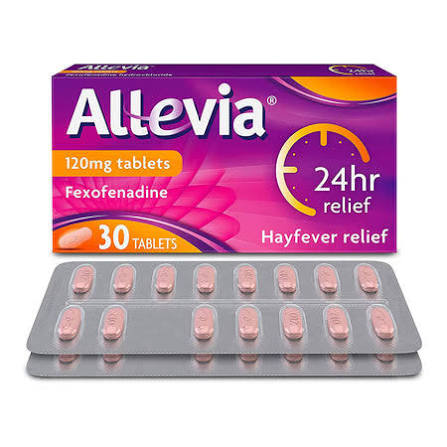
- Antihistamines:
- Oral Antihistamine Tablets: Non-sedating (non-drowsy) antihistamines are effective for sneezing, runny nose, and itchiness. They are available over-the-counter and can be taken daily during your allergy season or as needed.
- Antihistamine Nasal Sprays: These can provide quick relief for nasal symptoms.
- Steroid Nasal Sprays (Intranasal Corticosteroids):
- These are often the first-line treatment for moderate to severe or persistent allergic rhinitis, especially if nasal congestion is a main symptom.
- They work by reducing inflammation in the nasal lining.
- For seasonal allergies, it's best to start using them 1-2 weeks before your expected symptoms begin, and then use them regularly and preventatively.
- Correct technique is crucial for efficacy: Your doctor or pharmacist can show you how to use them properly. Generally, you should aim the spray slightly away from the middle of your nose.
- Combination Nasal Sprays:
- For symptoms that are poorly controlled with a steroid nasal spray alone, your doctor might suggest a combination spray that contains both an intranasal corticosteroid and an intranasal antihistamine. These can be more effective than either medication used alone.
- Decongestant Nasal Sprays:
- These can provide quick, short-term relief for a blocked nose. However, they should only be used for a few days (no more than 5-7 days) as prolonged use can lead to "rebound congestion," where your nose becomes even more blocked when you stop using them. They are not recommended for children under 6 years old.
- Eye Drops:
- Specific eye drops can be used to relieve itchy, watery, and red eyes (allergic conjunctivitis).
- Oral Corticosteroids:
- In very severe cases, particularly when there is significant nasal obstruction and other treatments haven't worked, your GP may prescribe a short course of oral steroid tablets. These are powerful anti-inflammatory medications but are not suitable for long-term use due to potential side effects.
3. Specialist Referral and Immunotherapy:
Your GP may consider referring you to a specialist (like an ENT consultant or an allergist) if:
- Your symptoms are severe, significantly impacting your daily life, and haven't responded to pharmacist or GP treatments.
- The cause of your symptoms is unclear.
- Your asthma is being affected or worsened by your allergic rhinitis.
- You are experiencing severe nasal obstruction.
For severe cases that don't respond to standard medications, a specialist might discuss allergen-specific immunotherapy (sometimes called desensitisation). This treatment involves giving you regular, small doses of the allergen over several years to gradually train your immune system to become less reactive. It aims to modify the disease long-term rather than just treating the symptoms.
Prevention
Preventing allergic rhinitis symptoms largely revolves around reducing your exposure to the allergens that trigger your reactions and using medications proactively. By taking these steps, you can often minimise the severity and frequency of your symptoms.
- Identify Your Triggers: Knowing what you're allergic to (e.g., pollen, dust mites, pets) is the first step. This allows you to focus your prevention efforts.
- Allergen Avoidance Strategies:
- For Pollen: Keep an eye on pollen forecasts and try to stay indoors during peak pollen times. Wear wraparound sunglasses when outside. Keep windows closed, especially in your bedroom.
- For Dust Mites: Regularly wash bedding at 60°C, use dust mite covers, and dust with a damp cloth. Use a HEPA filter vacuum cleaner.
- For Pets: If you have a pet allergy, try to keep pets out of your bedroom and wash them regularly.
- For Mould: Ensure your home is well-ventilated and address any dampness or mould growth promptly.
- Proactive Medication Use:
- If you have seasonal allergic rhinitis, start using your prescribed steroid nasal spray 1-2 weeks before your usual allergy season begins. This allows the medication to build up its effect and prevent symptoms from becoming severe.
- Use your nasal sprays and other prescribed medications regularly, as directed by your doctor, even on days when your symptoms feel mild. Consistent use is key to preventing flare-ups.
- Nasal Rinses: Regularly rinsing your nose with saline solution can help wash away allergens and irritants before they have a chance to trigger a strong reaction. This can be done daily as part of your hygiene routine.
- Maintain a Clean Environment: Regular cleaning, especially vacuuming with a HEPA filter, can help reduce the overall allergen load in your home.
By consistently applying these preventative measures, you can significantly reduce the impact of allergic rhinitis on your daily life.
Outlook / Prognosis
The outlook for people with allergic rhinitis is generally very positive, as it is a highly manageable condition. While it is a chronic (long-term) condition, meaning it can persist for many years, with appropriate management, most people can achieve excellent control over their symptoms and significantly improve their quality of life.
Effective treatment helps to reduce the inflammation in your nose, alleviating symptoms like sneezing, congestion, and itchiness. This leads to better sleep, improved concentration, and the ability to participate fully in daily activities, work, and school without constant discomfort. Many people find that by consistently following allergen avoidance strategies and using their prescribed medications, they can live full and active lives with minimal disruption from their allergies.
However, it's important to understand the potential consequences if allergic rhinitis is left untreated or poorly managed:
- Risk of Asthma: Untreated allergic rhinitis is a known risk factor for developing asthma. The inflammation in the upper airways (nose) can affect the lower airways (lungs), highlighting the close connection between these conditions.
- Worsening Asthma Control: If you already have asthma, uncontrolled allergic rhinitis can make your asthma symptoms worse and harder to manage. Treating your rhinitis effectively can often lead to better asthma control.
- Impact on Daily Life: Persistent symptoms can lead to chronic fatigue due to poor sleep, difficulty concentrating, and reduced productivity, significantly affecting your overall well-being.
- Development of New Allergies: For those with perennial rhinitis, if the nasal swelling and inflammation are not controlled, there is a risk of developing new allergies over time.
Regular monitoring and ongoing communication with your GP are important, especially if your symptoms change, worsen, or if you notice any impact on your breathing. With the right care plan, including allergen avoidance, medications, and potentially specialist treatments like immunotherapy for severe cases, you can effectively manage allergic rhinitis and prevent potential complications, ensuring a much more comfortable and healthier future.
Need Expert Advice?
Book a consultation with Mr Ahmad Hariri to discuss your symptoms and treatment options.
Book a Consultation