
Biologics for Sinusitis

Disclaimer: Disclaimer: This leaflet provides general information and is intended for educational purposes only. It should not be used as a substitute for professional medical advice, diagnosis, or treatment. Always seek the advice of a qualified healthcare professional for any health concerns or before making any decisions related to your health or treatment.
This leaflet may contain links to external websites or resources (e.g. YouTube) for demonstration purposes; however, these links are provided for information only. Clinicol.co.uk is not affiliated with, does not endorse, and is not responsible for the content, accuracy, or copyright compliance of these external sources. Use of these external links is at your own discretion and risk.
Overview

Living with severe chronic rhinosinusitis with nasal polyps (CRSwNP) can be very challenging. This condition involves long-lasting inflammation in the nose and sinuses, leading to growths called nasal polyps. These polyps can block your nasal passages and cause many uncomfortable symptoms. For many years, treatment has focused on nasal sprays, oral steroids, and surgery. However, for some people, these treatments don't fully control the condition, and symptoms keep coming back.
This is where a newer type of treatment, called biologics, comes in. Biologics are special medicines that work by targeting the specific underlying causes of inflammation in your body. They are not like traditional medicines that affect your whole body broadly. Instead, they are designed to block very precise signals in your immune system that drive the inflammation and polyp growth in CRSwNP.
In the UK, a biologic medicine called dupilumab is recommended by NICE (the National Institute for Health and Care Excellence) as an additional treatment for adults with severe CRSwNP. It's specifically for those who haven't found enough relief from other treatments, including previous sinus surgery or regular courses of steroid tablets. The aim of biologics is to offer a new, effective option to significantly improve your symptoms, reduce the size of your polyps, and greatly enhance your quality of life.
Symptoms and Causes
Chronic rhinosinusitis with nasal polyps (CRSwNP) is a persistent condition where the lining of your nose and sinuses becomes inflamed, leading to the development of soft, non-cancerous growths called polyps. Understanding the symptoms and what causes this inflammation is key to managing the condition.
Symptoms
The symptoms of severe CRSwNP can have a significant impact on your daily life. They are often described as uncontrolled, meaning they are severe and persistent despite standard treatments. You might experience:
- Loss of Smell and Taste: This is a very common and often distressing symptom, making food less enjoyable and affecting your safety (e.g., not smelling gas or smoke).
- Nasal Blockage: A feeling of constant stuffiness or congestion in your nose, making it hard to breathe through your nose.
- Runny Nose: Often a clear or discoloured discharge from your nose.
- Facial Pain or Pressure: A feeling of fullness, pressure, or pain around your eyes, forehead, or cheeks.
- Headache: Headaches can be a frequent companion to sinus inflammation.
- Snoring and Obstructive Sleep Apnoea: The nasal blockage can make you snore loudly and, in some cases, lead to pauses in breathing during sleep, which can be serious.
- Fatigue: The constant struggle with symptoms, poor sleep, and the body's ongoing inflammatory response can leave you feeling very tired.
Doctors often use tools like a Visual Analogue Scale (VAS) to measure how severe your symptoms are, with severe symptoms typically rated 8 to 10 out of 10. Another common tool is the SNOT-22 score, which is a questionnaire about your sinus and nasal symptoms and how they affect your quality of life. A score of 50 or more (or 40 or more in some guidelines) indicates a significant impact.
Causes
The root cause of CRSwNP is often an overactive immune response in your body, specifically a type of inflammation known as Type 2 inflammation. This isn't an infection, but rather your immune system reacting too strongly to certain triggers, leading to ongoing swelling and polyp formation.
In Type 2 inflammation, certain chemical messengers (called cytokines, such as IL-4, IL-5, and IL-13) are overproduced. These messengers tell your body to create more mucus, cause swelling, and encourage the growth of polyps. Biologic medicines are designed to block these specific messengers, calming down this overactive immune response.
CRSwNP is also often linked with other conditions that share this Type 2 inflammatory pathway, such as:
- Asthma: Many people with severe nasal polyps also have asthma.
- Allergies: Conditions like hay fever or other environmental allergies can be present.
- NSAID-Exacerbated Respiratory Disease (N-ERD): This is a condition where taking common pain relievers like aspirin or ibuprofen can trigger severe asthma attacks and worsening sinus symptoms.
- Elevated Eosinophils: These are a type of white blood cell often found in higher numbers in the blood or tissues of people with Type 2 inflammation.
These connections highlight that CRSwNP is often part of a broader inflammatory picture in your body, which is why treatments that target these underlying pathways can be so effective.
Diagnosis and Investigations
Getting an accurate diagnosis for severe chronic rhinosinusitis with nasal polyps (CRSwNP) is a careful process that involves understanding your symptoms, examining your nose, and sometimes performing specific tests. This helps your doctor confirm the condition and decide if biologic treatment might be right for you.
Diagnosis
Your doctor will start by taking a detailed history of your symptoms. They will ask about:
- Your Symptoms: How long you've had nasal blockage, loss of smell, runny nose, facial pain, and other issues. They'll want to know how severe these symptoms are and how much they affect your daily life.
- Previous Treatments: What medications you've tried (like nasal sprays, steroid tablets) and if you've had any sinus surgeries in the past.
- Quality of Life: You might be asked to complete questionnaires like the SNOT-22 (Sino-Nasal Outcome Test-22), which helps measure the impact of your symptoms on your well-being. A score of 50 or more (or 40 or more in some guidelines) is often a key indicator for considering biologics.
- Visual Analogue Scale (VAS): You may be asked to rate your overall symptoms on a scale of 0 to 10. For biologics, symptoms are usually rated as severe (8 to 10).
Following this discussion, your ENT specialist will perform a physical examination, which includes looking inside your nose. This is usually done using a small camera (an endoscope) to directly see the nasal passages and sinuses. This allows the doctor to:
- Confirm Nasal Polyps: They will look for clear evidence of polyps in both sides of your nose.
- Assess Disease Severity: They can see the extent of the inflammation and the size of the polyps.
For biologic treatment to be considered, you typically need to have severe CRSwNP that hasn't been adequately controlled despite trying other treatments, including at least one previous sinus surgery and/or regular courses of steroid tablets.
Investigations
While the diagnosis is primarily based on your symptoms and the endoscopic examination, some investigations might be done to further understand your condition and confirm if you have the type of inflammation that biologics can treat:
- Blood Tests: Your doctor might recommend a blood test to check for signs of Type 2 inflammation. This often involves looking at the levels of certain white blood cells called eosinophils. Higher levels of eosinophils in your blood can indicate that Type 2 inflammation is playing a significant role in your CRSwNP. A level of 150 cells/µl or more is often considered relevant.
These investigations help your healthcare team build a complete picture of your condition and determine if you meet the specific criteria for biologic therapy, ensuring that this targeted treatment is the most appropriate next step for you.
Management and Treatment
Managing severe chronic rhinosinusitis with nasal polyps (CRSwNP) can be a long journey, especially when standard treatments haven't provided enough relief. Biologic medicines represent a significant advance, offering a targeted approach for those with persistent and severe symptoms.
What are Biologics?
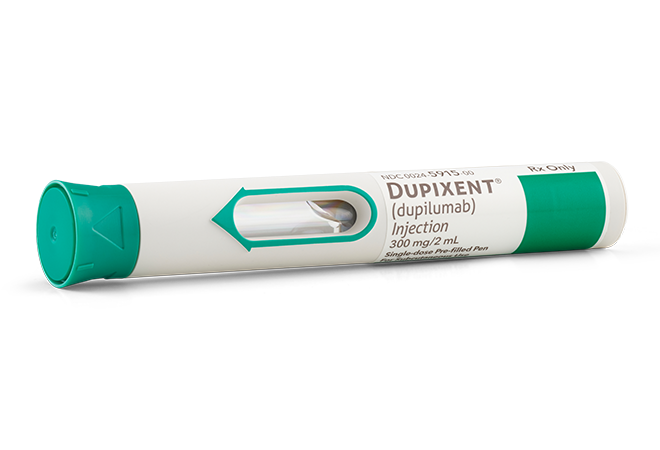
Biologics are a special class of medicines made from living cells. Unlike traditional drugs that work broadly, biologics are designed to target very specific parts of your immune system that are overactive in conditions like CRSwNP. For CRSwNP, they primarily focus on blocking the chemical messengers (like IL-4, IL-5, IL-13, and IgE) that drive Type 2 inflammation, which is the underlying cause of polyp growth and swelling.
Who is Biologic Treatment For?
Biologics are generally reserved for adults (18 years and older) with severe CRSwNP who have not responded well to other treatments. In the UK, specifically for dupilumab, NICE recommends it as an add-on treatment to your usual intranasal corticosteroid sprays if you meet certain criteria:
- You have severe CRSwNP, meaning your symptoms are uncontrolled and rated highly (e.g., 8 to 10 on a visual analogue scale).
- You have clear endoscopic evidence of nasal polyps.
- Your disease is inadequately controlled despite previous treatments, including regular use of steroid tablets or at least one previous sinus surgery.
- You have a significant impact on your quality of life, often measured by a SNOT-22 score of at least 50.
Other guidelines, such as those from EPOS/EUFOREA, suggest that for patients who have had previous sinus surgery, biologics might be considered if you have bilateral nasal polyps and meet at least three of these five criteria:
- Evidence of Type 2 inflammation (e.g., elevated blood eosinophils, often 150 cells/µl or more).
- A regular need for systemic corticosteroids (steroid tablets) in the past two years.
- Significant quality-of-life impairment (e.g., SNOT-22 score of 40 or more).
- Loss of smell.
- Comorbid asthma (meaning you also have asthma).
If you have never had sinus surgery, at least four of these five criteria should typically be met.
How Biologics Work (e.g., Dupilumab):
Dupilumab, for example, works by blocking the signals of two key inflammatory messengers, IL-4 and IL-13. By doing this, it reduces the Type 2 inflammation, which in turn decreases mucus overproduction and shrinks the nasal polyps. Other biologics, like mepolizumab and omalizumab, target different but related inflammatory pathways (IL-5 and IgE, respectively).
What to Expect from Biologic Treatment:
- Significant Improvement: Clinical trials have shown that biologics can lead to major improvements in symptoms like nasal congestion and a significant reduction in the size of nasal polyps. This can greatly improve your breathing and sense of smell.
- Improved Quality of Life: By reducing symptoms, biologics can help you feel less fatigued, sleep better, and generally improve your overall well-being.
- Reduced Need for Surgery: For many patients, biologics can reduce or even eliminate the need for further sinus surgeries.
- Timeline for Benefits: You might start to notice meaningful improvements in your nasal symptoms within two weeks, with the full benefits typically developing over three to six months.
- Safety Profile: Long-term studies and real-world experience support a favourable safety profile for these medicines. Your doctor will discuss any potential side effects with you.
Your ENT specialist will work closely with you to decide if biologic therapy is the right choice, considering your specific condition, symptoms, and previous treatments. This is a shared decision-making process, ensuring you are fully informed and comfortable with your treatment plan.
Prevention
When we talk about "prevention" for chronic rhinosinusitis with nasal polyps (CRSwNP) in the context of biologics, it's less about preventing the condition from starting and more about preventing its severe progression, preventing the return of debilitating symptoms, and reducing the need for repeated interventions like surgery.
Biologic treatments play a crucial role in this kind of prevention by:
- Controlling Underlying Inflammation: By targeting the specific Type 2 inflammatory pathways, biologics help to keep the immune system's overreaction in check. This ongoing control helps prevent the inflammation from flaring up and causing polyps to regrow or enlarge.
- Reducing Symptom Recurrence: For many people, CRSwNP symptoms frequently return even after surgery or steroid courses. Biologics aim to provide sustained relief, preventing the cycle of severe nasal blockage, loss of smell, and other debilitating symptoms from coming back.
- Avoiding Further Surgery: One of the significant benefits of biologics is their ability to shrink polyps and reduce inflammation so effectively that the need for additional sinus surgeries is often reduced or even avoided altogether. This prevents the physical and emotional burden of repeated operations.
- Managing Related Conditions: Since CRSwNP often co-exists with other Type 2 inflammatory conditions like asthma or allergies, effectively treating the underlying inflammation with biologics can also help in the broader management of these related health issues, potentially preventing their worsening.
While you can't prevent the initial development of CRSwNP with biologics, by consistently using your prescribed biologic alongside intranasal corticosteroids and following your doctor's advice, you are actively working to prevent the uncontrolled return of severe symptoms and maintain a better quality of life.
Outlook / Prognosis
The long-term outlook for individuals with severe chronic rhinosinusitis with nasal polyps (CRSwNP) has significantly improved with the introduction of biologic therapies. Before biologics, many patients faced a cycle of recurring symptoms, repeated courses of oral steroids, and multiple sinus surgeries, often with only temporary relief. This could lead to a persistent reduction in quality of life, ongoing discomfort, and frustration.
With biologic treatment, the prognosis is much more positive. These targeted medicines offer a new path to long-term management and control of the condition. Patients can typically expect:
- Sustained Symptom Improvement: Biologics are designed to provide lasting relief from severe symptoms like nasal blockage, loss of smell, facial pain, and fatigue. This means a significant and continuous improvement in how you feel day-to-day.
- Enhanced Quality of Life: By reducing the burden of symptoms, biologics allow many patients to regain their sense of smell and taste, breathe more easily, sleep better, and participate more fully in daily activities, leading to a much-improved overall quality of life.
- Reduced Need for Oral Steroids and Surgery: A key benefit is the potential to significantly decrease your reliance on oral steroid tablets, which can have side effects with long-term use. Importantly, biologics can often reduce or even eliminate the need for further sinus surgeries, breaking the cycle of repeated operations.
- Long-Term Management: CRSwNP is a chronic condition, meaning it's ongoing. Biologics are typically used as a long-term treatment to keep the underlying inflammation under control. Your healthcare team will regularly monitor your progress and the effects of the medication to ensure it continues to be effective. This monitoring helps guide decisions about continuing the treatment, or if necessary, considering other options.
While biologics offer a powerful tool for managing severe CRSwNP, it's important to remember that they are part of a comprehensive treatment plan. Continuing with your intranasal corticosteroids and regular follow-ups with your ENT specialist are crucial for achieving the best possible long-term outcome. This approach helps you live more comfortably and manage your condition effectively over many years.
Need Expert Advice?
Book a consultation with Mr Ahmad Hariri to discuss your symptoms and treatment options.
Book a Consultation