
Chronic Sinusitis

Disclaimer: Disclaimer: This leaflet provides general information and is intended for educational purposes only. It should not be used as a substitute for professional medical advice, diagnosis, or treatment. Always seek the advice of a qualified healthcare professional for any health concerns or before making any decisions related to your health or treatment.
This leaflet may contain links to external websites or resources (e.g. YouTube) for demonstration purposes; however, these links are provided for information only. Clinicol.co.uk is not affiliated with, does not endorse, and is not responsible for the content, accuracy, or copyright compliance of these external sources. Use of these external links is at your own discretion and risk.
Overview
Chronic rhinosinusitis (CRS) is a common condition characterized by inflammation of the nasal passages and sinuses that persists for 12 weeks or longer, even with treatment. It affects millions of people worldwide, impacting their quality of life. CRS is not simply a prolonged cold; it involves a complex interplay of factors that contribute to persistent inflammation.
Symptoms and Causes
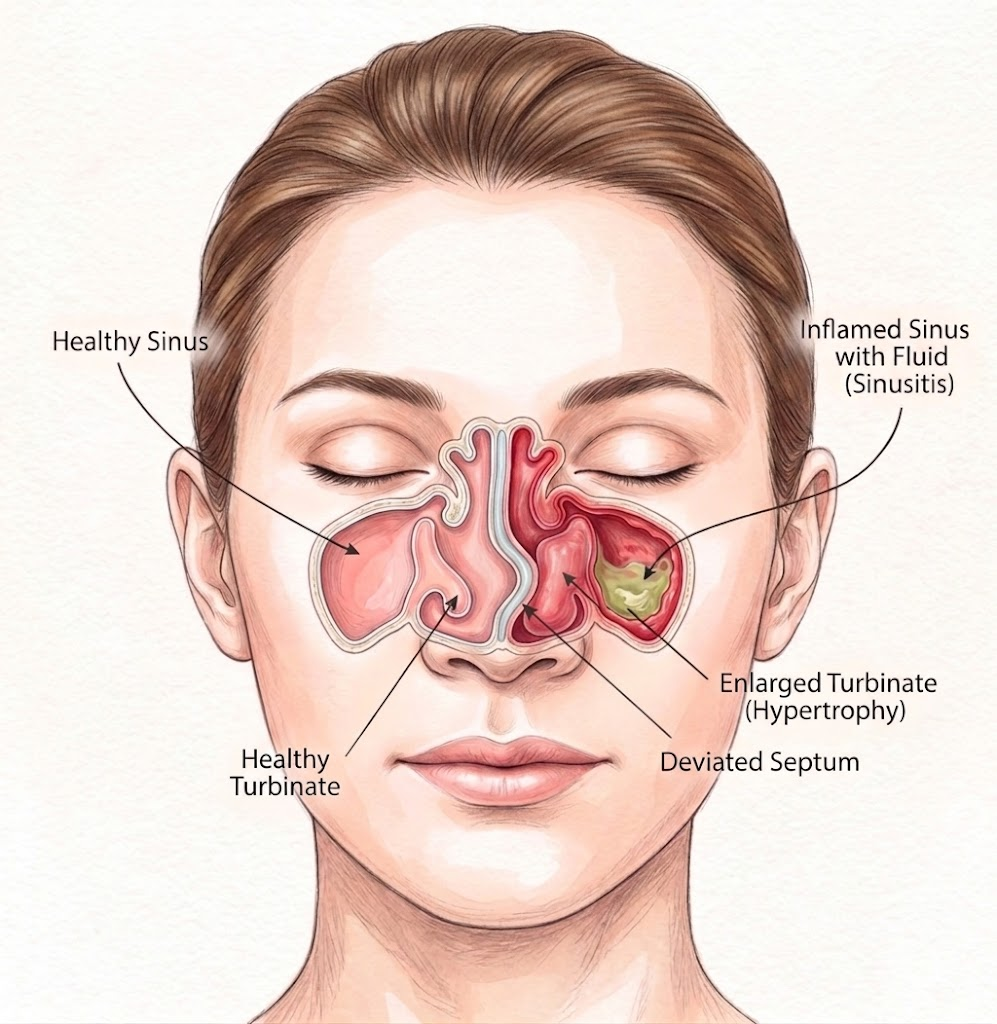
Symptoms:
The hallmark symptoms of CRS include:
- Nasal congestion: A persistent stuffy nose that makes it difficult to breathe. This is often one of the most bothersome symptoms.
- Nasal discharge: This can be thick and discoloured (yellow or green) or clear and watery. Postnasal drip, where mucus runs down the back of your throat, is also common.
- Facial pain or pressure: This can be felt in the cheeks, forehead, or around the eyes. It can range from a dull ache to a more intense pressure sensation.
- Reduced sense of smell or taste: The inflamed nasal passages can interfere with your ability to smell and taste properly.
Other potential symptoms include:
- Headache
- Ear pain or pressure
- Sore throat
- Cough
- Fatigue
- Bad breath
- Dental pain (in some cases)
Causes:
The underlying cause of CRS is persistent inflammation of the lining of the sinuses and nasal passages. Several factors can contribute to this inflammation:
- Infections: Viral, bacterial, or fungal infections can trigger or worsen CRS. While acute sinusitis often resolves on its own, recurrent or unresolved infections can lead to the chronic form.
- Allergies: Allergic rhinitis, commonly known as hay fever, can significantly contribute to CRS. Allergens like pollen, dust mites, and pet dander can trigger an inflammatory response in the nasal passages and sinuses.
- Nasal polyps: These soft, non-cancerous growths in the nasal passages can block airflow and contribute to inflammation. They are more common in people with asthma and aspirin sensitivity.
- Deviated septum: A crooked nasal septum (the wall between the nostrils) can disrupt airflow and make it harder for the sinuses to drain, increasing the risk of infection and inflammation.
- Other factors: Environmental irritants like smoke, pollution, and strong odours can also irritate the sinuses and contribute to CRS. Certain medical conditions, such as cystic fibrosis and immunodeficiency disorders, can also increase the risk.
Diagnosis and Investigations
Diagnosis:
Diagnosing CRS begins with a thorough medical history and physical examination. Your doctor will ask about your symptoms, how long they have been present, and any other medical conditions you may have. They will also examine your nose and sinuses, looking for signs of inflammation, blockage, and nasal polyps.
Investigations:
Several diagnostic tests can help confirm the diagnosis and identify the underlying cause of CRS:
- Nasal endoscopy: A thin, flexible tube with a camera is inserted into your nose to visualize the nasal passages and sinuses. This allows your doctor to see any inflammation, blockage, or polyps.
- Imaging studies:
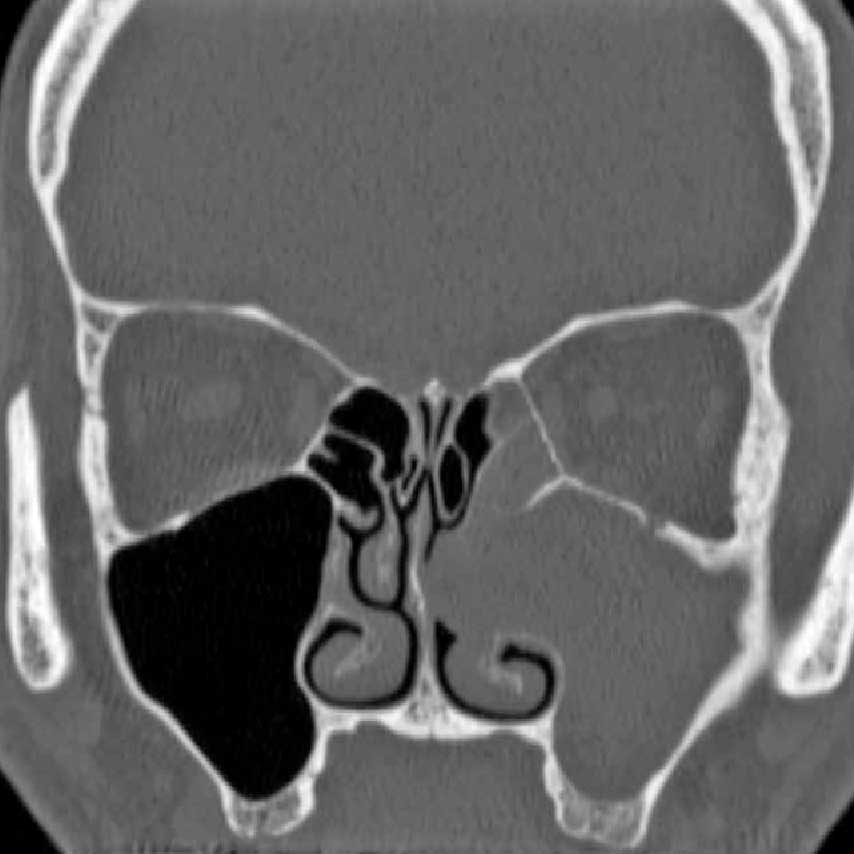
- CT scan: This provides detailed images of the sinuses and can identify structural abnormalities, blockage, and inflammation. It is the most common imaging test used to diagnose CRS.
- MRI scan: This is used less often than CT scans, but it can be helpful in certain cases, such as when a fungal infection or other complications are suspected.
- Allergy testing: If allergies are suspected as a contributing factor, allergy skin prick tests or blood tests can help identify specific allergens.
Other tests: In some cases, other tests may be performed, such as:
- Nasal swabs: A sample of nasal mucus is examined under a microscope to look for signs of inflammation, infection, or allergy.
- Ciliary function tests: These tests measure the function of the tiny hair-like structures (cilia) in the nasal passages, which help clear mucus and debris. Impaired ciliary function can contribute to CRS.
- Smell tests: These tests measure your ability to smell different odours and can help determine the extent of any smell loss.
Management and Treatment
The goals of CRS treatment are to reduce inflammation, improve sinus drainage, relieve symptoms, and prevent complications. Treatment options may include:
1. Medications:
- Nasal corticosteroids: These are the most effective medication for reducing nasal inflammation. They are available as nasal sprays, drops, or irrigations.
- Saline nasal irrigation: This involves rinsing the nasal passages with a saline solution to help clear mucus and debris. It can be done with a squeeze bottle, neti pot, or nasal spray.
- Decongestants: These can help relieve nasal congestion, but they should not be used for more than a few days, as prolonged use can actually worsen congestion (rebound effect).
- Antihistamines: These can be helpful if allergies are contributing to your symptoms.
- Oral corticosteroids: These are used for short courses to treat severe inflammation.
- Antibiotics: These are used only if a bacterial infection is present.
- Antifungal medications: These are used to treat fungal sinusitis, which is a less common form of CRS.
- Leukotriene modifiers: These medications can help reduce inflammation in people with both CRS and asthma.
- Biologics: These are newer medications that target specific inflammatory pathways. They are typically reserved for people with severe CRS who have not responded to other treatments.
2. Nasal Procedures:
- Nasal douching: This is similar to saline nasal irrigation, but it may involve additional solutions or medications delivered into the sinuses to improve clearance, reduce inflammation, or address infections.
- Turbinate reduction: If the turbinates (small structures inside the nose that help warm and humidify air) are enlarged, they can block airflow and contribute to CRS. Turbinate reduction can be done with surgery or in-office procedures like radiofrequency ablation or cryotherapy.
3. Surgery:
- Endoscopic sinus surgery (ESS): This minimally invasive surgery uses an endoscope to open up blocked sinus passages and remove polyps or other obstructions. It is the most common surgical treatment for CRS.
- Image-guided surgery: This uses CT scans or MRI images to guide the surgeon during ESS, increasing precision and reducing the risk of complications.
- Balloon sinuplasty: This involves inserting a small balloon into the sinus passages and inflating it to open up blocked passages. It is less invasive than ESS.
Prevention
While not all cases of CRS can be prevented, the following measures may help reduce your risk or the severity of your symptoms:
- Manage allergies: If you have allergies, work with your doctor to identify your triggers and develop a management plan. This may include avoiding triggers, using allergy medications, or getting allergy shots (immunotherapy).
- Avoid irritants: Limit your exposure to environmental irritants such as smoke, pollution, and strong odours.
- Practice good hygiene: Wash your hands frequently, especially during cold and flu season. Avoid touching your face.
- Use a humidifier: Adding moisture to the air can help thin mucus and improve sinus drainage.
- Get vaccinated: Get a flu shot every year and consider getting vaccinated against pneumococcal pneumonia, which can sometimes cause sinusitis.
Outlook / Prognosis
With appropriate treatment, most people with CRS experience significant improvement in their symptoms and quality of life. However, CRS is often a chronic condition, and ongoing management may be necessary to prevent symptoms from recurring.
The specific outlook depends on the underlying cause of CRS and how well you respond to treatment. People with allergies or nasal polyps may need ongoing treatment to control their symptoms. People who have surgery for CRS usually experience significant improvement, but there is a small risk of recurrence. It is vital to work closely with your healthcare provider to develop an individualized treatment plan and monitor your progress.
Need Expert Advice?
Book a consultation with Mr Ahmad Hariri to discuss your symptoms and treatment options.
Book a Consultation