
Hayfever

Disclaimer: Disclaimer: This leaflet provides general information and is intended for educational purposes only. It should not be used as a substitute for professional medical advice, diagnosis, or treatment. Always seek the advice of a qualified healthcare professional for any health concerns or before making any decisions related to your health or treatment.
This leaflet may contain links to external websites or resources (e.g. YouTube) for demonstration purposes; however, these links are provided for information only. Clinicol.co.uk is not affiliated with, does not endorse, and is not responsible for the content, accuracy, or copyright compliance of these external sources. Use of these external links is at your own discretion and risk.
Overview
Hay fever, also known as allergic rhinitis, is a very common allergic reaction that affects many people across the UK. It happens when your body's immune system overreacts to harmless airborne particles, most commonly pollen from trees, grasses, or weeds. However, it can also be triggered by other allergens like house dust mites, mould spores, or pet dander.
When you come into contact with these allergens, your immune system mistakenly identifies them as a threat. This triggers a release of chemicals, such as histamine, which then causes inflammation and irritation in your nose, eyes, throat, and sinuses. This leads to the familiar and often uncomfortable symptoms of hay fever.
Hay fever often begins in childhood or teenage years, and for some people, the symptoms may even improve as they get older. Unlike a common cold, which usually clears up in a few days, hay fever symptoms can last for weeks or even months. This typically occurs from late March through to September, especially when pollen counts are high. While hay fever is usually seasonal, some people experience similar symptoms all year round if their triggers are things like dust mites or pet dander; this is known as perennial rhinitis.
Living with hay fever can significantly impact your daily life, affecting your sleep, concentration at school or work, and overall quality of life. The good news is that while there isn't a cure, there are many effective ways to manage and treat the symptoms, helping you feel much more comfortable.
Symptoms and Causes
Understanding why hay fever happens and what symptoms to look out for can help you manage the condition more effectively. It's important to recognise the signs and know what triggers your reactions.
Symptoms
Hay fever symptoms can vary from person to person and can range from mild to severe. They often feel similar to a cold, but they typically last much longer and do not include a fever. Symptoms can also fluctuate daily and annually, often becoming worse when pollen counts are particularly high, or in warm, humid, and windy weather conditions.
Common symptoms include:
- Frequent Sneezing: You might find yourself sneezing many times in a row, often persistently.
- Runny or Blocked Nose: Your nose might feel constantly runny, producing clear, watery discharge, or it might feel completely blocked and stuffy, making it hard to breathe through.
- Itchy Eyes: Your eyes can become very itchy, red, and watery, sometimes feeling gritty or irritated. This is known as allergic conjunctivitis.
- Itchy Throat, Mouth, Nose, and Ears: You might experience an irritating itch in the back of your throat, on the roof of your mouth, inside your nose, or even deep inside your ears.
- Cough: A persistent cough can develop, often due to mucus dripping down the back of your throat from your nose (known as postnasal drip).
- Loss of Smell: Your sense of smell might be reduced or even temporarily lost, especially when your nose is very blocked.
- Facial Pain and Headache: You might feel pressure or pain around your forehead, cheeks, or eyes, often linked to blocked sinuses. Headaches can also occur.
- Fatigue and Tiredness: The constant irritation, poor sleep due to nasal blockage, and the body's immune response can leave you feeling very tired and lacking energy.
- Chronic Mouth Breathing and Snoring: A blocked nose can lead to breathing through your mouth, especially at night, which can cause snoring.
- Seasonal Asthma Symptoms: For some people, hay fever can trigger or worsen asthma symptoms like coughing or wheezing.
It's important to remember that hay fever does not cause a fever. If you have a fever along with these symptoms, it's more likely to be a cold or another infection.
Causes
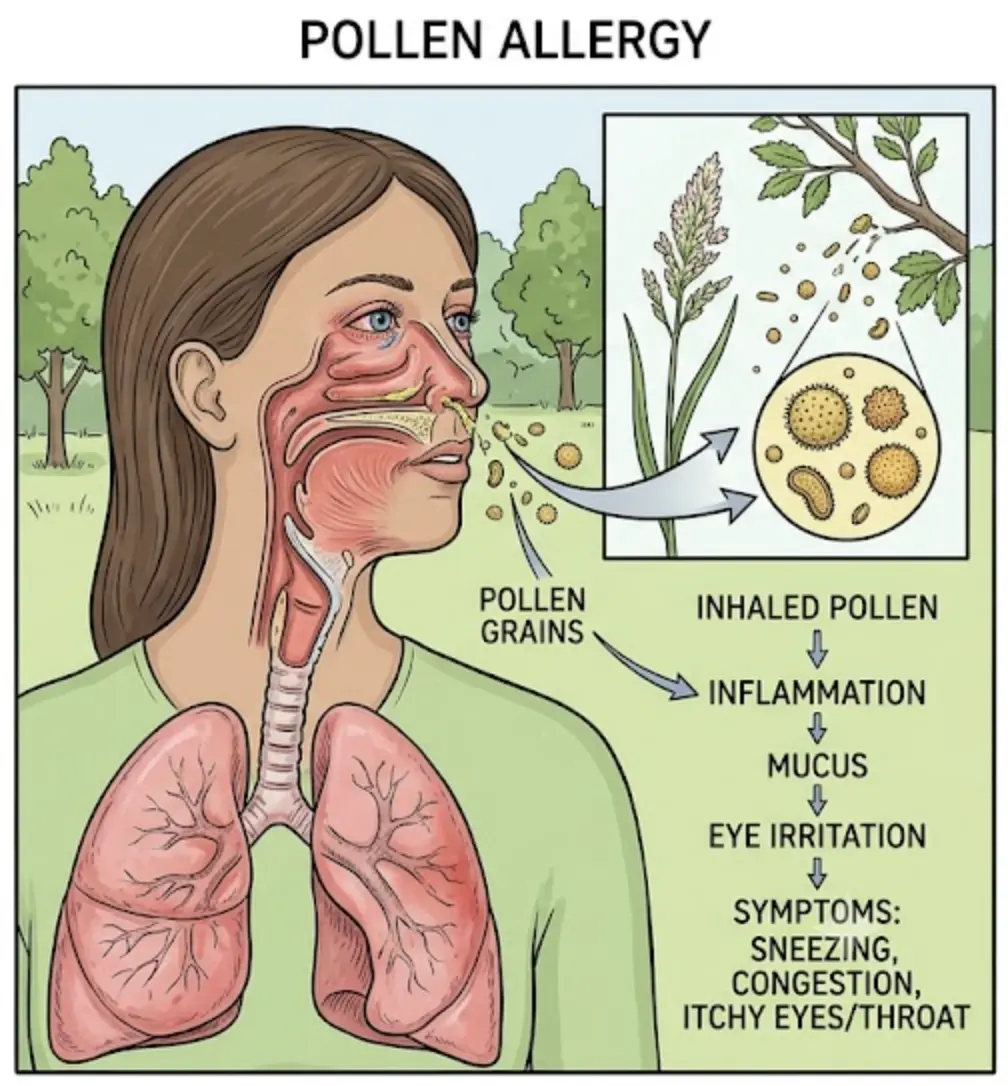
Hay fever is fundamentally an allergic reaction. It occurs when your immune system, which is designed to protect your body from harmful invaders like viruses and bacteria, overreacts to certain harmless substances called allergens. In the case of hay fever, these allergens are typically:
- Pollen: This is the most common trigger. Different types of pollen are released at different times of the year:
- Tree pollen: Usually from late March to mid-May.
- Grass pollen: Typically from mid-May to July (the most common trigger for many).
- Weed pollen: Can be released from late June to September.
- House Dust Mites: Tiny insects that live in dust, bedding, and carpets.
- Mould Spores: Microscopic fungi found in damp environments.
- Pet Dander: Tiny flakes of skin, hair, or feathers from animals.
When you inhale or come into contact with these allergens, your immune system mistakenly identifies the proteins within them as a threat. In response, it releases various chemicals, including histamine. Histamine is responsible for many of the uncomfortable symptoms you experience, causing the inflammation and irritation in your nose, eyes, and throat.
You are more likely to develop hay fever if there is a family history of allergies, such as asthma, eczema, or hay fever itself. This suggests a genetic predisposition to allergic conditions.
Diagnosis and Investigations
Diagnosing hay fever is often quite straightforward, especially given its characteristic seasonal pattern. However, if your symptoms are severe, persistent, or don't respond to over-the-counter treatments, your GP can help confirm the diagnosis and explore further options.
Diagnosis
For many people, diagnosing hay fever is a process of self-recognition. If you consistently experience the typical symptoms (sneezing, runny nose, itchy eyes) at the same time each year, particularly during spring and summer, it's highly likely you have hay fever.
If you're unsure, or if your symptoms are significantly impacting your life, it's a good idea to consult your GP. They will usually diagnose hay fever based on a detailed discussion about your symptoms, including:
- Patient History: Your GP will ask you about your symptoms – what they are, when they started, how long they last, and if they occur at specific times of the year or in particular environments. They will also ask about any family history of allergies.
- Physical Examination: Your GP may perform a brief physical examination, which might include looking inside your nose to check for signs of inflammation or swelling in the nasal lining.
The seasonal pattern of your symptoms is a key indicator for diagnosis. For example, if your symptoms consistently appear when grass pollen is high, it strongly suggests a grass pollen allergy.
Investigations
In most cases, specific tests aren't needed to diagnose hay fever, as the history and examination are usually sufficient. However, if your symptoms are unusual, persistent year-round, or if the diagnosis isn't clear, your GP might suggest further investigations to identify the specific allergens triggering your hay fever. These tests can also be helpful if you are considering advanced treatments like immunotherapy.
The main investigations for allergies include:
- Skin Prick Tests: This is a common allergy test. A tiny drop of a suspected allergen extract (like different types of pollen, dust mites, or pet dander) is placed on your forearm. The skin is then gently pricked through the drop. If you are allergic, a small, itchy red bump (like a mosquito bite) will appear within 15-20 minutes at the site of the allergen.
- Blood Tests (Specific IgE Blood Tests): Sometimes called RAST tests, these blood tests measure the level of specific antibodies (IgE) in your blood that your immune system produces in response to particular allergens. Higher levels of specific IgE antibodies can indicate an allergy to that substance.
These tests help to pinpoint exactly what you are allergic to, which can be very useful for guiding prevention strategies and treatment choices.
Management and Treatment
While there's no definitive cure for hay fever, there are many effective ways to manage and treat your symptoms, helping you to live more comfortably during allergy season. The approach to treatment often involves a combination of avoiding triggers and using medications.
It's always a good idea to discuss your symptoms with a pharmacist or your GP, especially if over-the-counter treatments aren't providing enough relief.

Here are the main management and treatment options:
If your current treatments aren't working, it's important to review your diagnosis with your GP, ensure you're using your nasal sprays correctly, and discuss other options. Effective management of your hay fever can also help improve any co-existing conditions like asthma.
- Antihistamines:
- Oral Antihistamine Tablets/Syrup: These are widely available from pharmacies and can help reduce itching, sneezing, and a runny nose. Non-sedating antihistamines like cetirizine, loratadine, or fexofenadine are generally recommended as they cause less drowsiness. It's best to avoid older, sedating antihistamines if possible.
- Antihistamine Nasal Sprays: These sprays can be very effective for nasal itching and a runny nose.
- Antihistamine Eye Drops: If itchy, red, or watery eyes are your main problem, specific eye drops containing antihistamines can provide quick relief.
- Steroid Nasal Sprays:
- These are considered one of the most effective treatments for hay fever, particularly for nasal blockage and inflammation. They work by reducing the swelling in your nasal lining.
- For best results, steroid nasal sprays should be used correctly and regularly, rather than just "as needed."
- Ideally, you should start using them about two weeks before you expect your symptoms to begin (e.g., before the start of the pollen season) to build up their effectiveness.
- Your pharmacist can advise you on suitable over-the-counter options, or your GP can prescribe stronger ones.
- Saline Nasal Rinses/Douches:
- Using a saline (saltwater) nasal spray or rinse can help wash away pollen and other allergens from your nasal passages.
- They also help to moisturise the nasal lining and clear mucus, improving nasal hygiene.
- Combination Therapy:
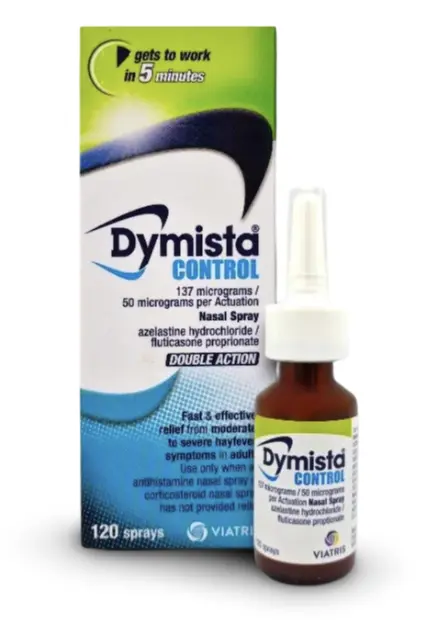
- For some people, using a combination of an intranasal steroid spray and an intranasal antihistamine spray can be more effective than using either alone, especially for persistent or severe symptoms.
- Nasal Decongestants:
- These sprays can provide quick, temporary relief for a blocked nose by shrinking swollen blood vessels.
- However, they should only be used for a maximum of five days. Using them for longer can lead to "rebound congestion," where your nose becomes even more blocked when you stop using them. They are not recommended for chronic use.
- Oral Corticosteroids (Steroid Tablets):
- For very severe, uncontrolled hay fever symptoms that significantly impair your quality of life and haven't responded to other treatments, your GP might prescribe a short course of oral steroid tablets.
- These are powerful medications that provide rapid relief but are generally reserved for short-term use due to potential side effects.
- Immunotherapy (Desensitisation):
- If your hay fever is severe, persistent, and doesn't respond to standard treatments, your GP might refer you to an allergy specialist to discuss immunotherapy.
- This treatment involves gradually exposing your immune system to small, increasing doses of the allergen you are sensitive to (e.g., grass pollen). This can be done through injections or tablets/drops placed under the tongue.
- Over time, immunotherapy aims to "retrain" your immune system, reducing its overreaction to the allergen and making your symptoms less severe. It's a long-term treatment that can take several years to complete.
Prevention
Preventing hay fever symptoms largely involves reducing your exposure to the allergens that trigger your reactions. While it's impossible to completely avoid pollen, taking some practical steps can significantly lessen your symptoms and make allergy season more manageable.
Here are some key prevention tips:
- Monitor Pollen Forecasts: Keep an eye on local pollen forecasts, which are often available on weather apps, news channels, or online. Try to stay indoors during times of very high pollen counts, especially on warm, humid, and windy days when pollen spreads easily.
- Stay Indoors: On days with high pollen counts, try to limit your time outdoors, particularly in the early morning and late afternoon when pollen levels are often at their peak.
- Keep Windows and Doors Shut: Close windows and doors at home and in your car to prevent pollen from entering. If you need to cool your home, consider using air conditioning with a pollen filter.
- Wear Protective Eyewear: Wraparound sunglasses can help prevent pollen from getting into your eyes, reducing irritation and itchiness. A wide-brimmed hat can also help keep pollen away from your face and hair.
- Shower and Change Clothes: After spending time outdoors, especially on high pollen days, shower and wash your hair to remove any pollen that has settled on you. Change your clothes immediately to avoid bringing pollen indoors.
- Apply Petroleum Jelly: A thin smear of petroleum jelly (like Vaseline) around the inside of your nostrils can act as a barrier, trapping pollen before it enters your nasal passages.
- Clean Regularly: Regularly vacuum your home, ideally using a vacuum cleaner with a HEPA filter, to remove pollen, dust mites, and pet dander. Damp dusting can also help to trap allergens rather than spreading them.
- Wash Bedding Frequently: Wash your bedding, especially pillowcases, at 60°C to kill dust mites and remove trapped pollen.
- Avoid Drying Clothes Outdoors: On high pollen days, dry your laundry indoors to prevent pollen from settling on your clothes and bedding.
- Use Pollen Filters in Cars: If your car has a pollen filter, ensure it is regularly checked and replaced according to the manufacturer's recommendations. Keep car windows closed while driving.
- Avoid Grassy Areas: If you know grass pollen is a trigger, try to avoid walking in grassy fields or parks, especially when grass is being cut.
- Consider a Mask: If you need to do outdoor activities like gardening or mowing the lawn, wearing a face mask can help filter out pollen.
- Maintain a Dry, Ventilated Home: Good ventilation helps reduce mould spores, another potential allergen.
By consistently following these preventative measures, you can significantly reduce your exposure to allergens and minimise the severity of your hay fever symptoms.
Outlook / Prognosis
While there is currently no definitive cure for hay fever, the good news is that it is a very manageable condition. With the right strategies and treatments, most people can effectively control their symptoms and significantly improve their quality of life.
For many, hay fever symptoms can actually improve with age, or even disappear completely over time. However, for others, it may be a lifelong condition that requires ongoing management.
Effective management of hay fever is crucial not only for symptom relief but also for preventing potential complications and improving overall well-being. When hay fever is left untreated or poorly managed, it can lead to several issues:
- Impact on Daily Life: Severe hay fever can significantly disrupt daily activities, affecting your performance at school or work, making it difficult to concentrate, and leading to poor sleep, which can result in fatigue, irritability, and a low mood.
- Sinusitis: The persistent inflammation and blockage in your nasal passages can sometimes lead to an infection and inflammation of the sinuses, known as sinusitis. This can cause facial pain, pressure, and a feeling of fullness.
- Increased Risk of Asthma: Hay fever is a known risk factor for developing asthma. For those who already have asthma, uncontrolled hay fever can make their asthma symptoms worse or harder to control. Conversely, effectively managing your hay fever can often lead to an improvement in co-existing asthma symptoms.
By working with your pharmacist or GP, exploring different treatment options, and consistently applying prevention strategies, you can find a management plan that works best for you. This proactive approach will help you navigate allergy season with greater comfort and minimise the long-term impact of hay fever on your health and daily life.
Need Expert Advice?
Book a consultation with Mr Ahmad Hariri to discuss your symptoms and treatment options.
Book a Consultation