
Immunotherapy for Allergic Rhinitis

Disclaimer: Disclaimer: This leaflet provides general information and is intended for educational purposes only. It should not be used as a substitute for professional medical advice, diagnosis, or treatment. Always seek the advice of a qualified healthcare professional for any health concerns or before making any decisions related to your health or treatment.
This leaflet may contain links to external websites or resources (e.g. YouTube) for demonstration purposes; however, these links are provided for information only. Clinicol.co.uk is not affiliated with, does not endorse, and is not responsible for the content, accuracy, or copyright compliance of these external sources. Use of these external links is at your own discretion and risk.
Overview
Immunotherapy, also known as desensitisation, is a specialised and highly effective treatment for severe allergies, including allergic rhinitis (often called hay fever). Unlike conventional medications that only manage symptoms, immunotherapy works by addressing the root cause of your allergy. It aims to teach your immune system to stop overreacting to harmless substances like pollen or house dust mites.
This treatment is a long-term approach designed to fundamentally change how your body responds to allergens, leading to lasting relief from symptoms. It's particularly recommended for people over five years old who experience moderate to severe allergic rhinitis or conjunctivitis (eye inflammation due to allergy) that continues to be troublesome despite trying standard treatments like antihistamines, nasal sprays, and avoiding allergens.
The National Institute for Health and Care Excellence (NICE) has recently recognised the benefits of sublingual immunotherapy (SLIT) tablets for specific severe allergic conditions. For example, a specific SLIT tablet for birch tree pollen allergy (Itulazax 12 SQ-Bet) was recommended in July 2025 for up to 27,000 people in England. Similarly, a house dust mite SLIT tablet (12 SQ-HDM) was recommended in February 2025 for individuals aged 12-65. These treatments offer a significant opportunity to improve your quality of life by reducing symptoms and the need for daily medication, ultimately helping you live more comfortably.
A significant benefit of immunotherapy is its potential to prevent the development of asthma in children who suffer from allergic rhinitis, offering a protective effect for their long-term health.
Symptoms and Causes
Allergic rhinitis is a very common condition where your immune system overreacts to certain substances, leading to uncomfortable symptoms. Understanding what causes your allergy and how it affects you is the first step towards finding the right treatment.
Symptoms
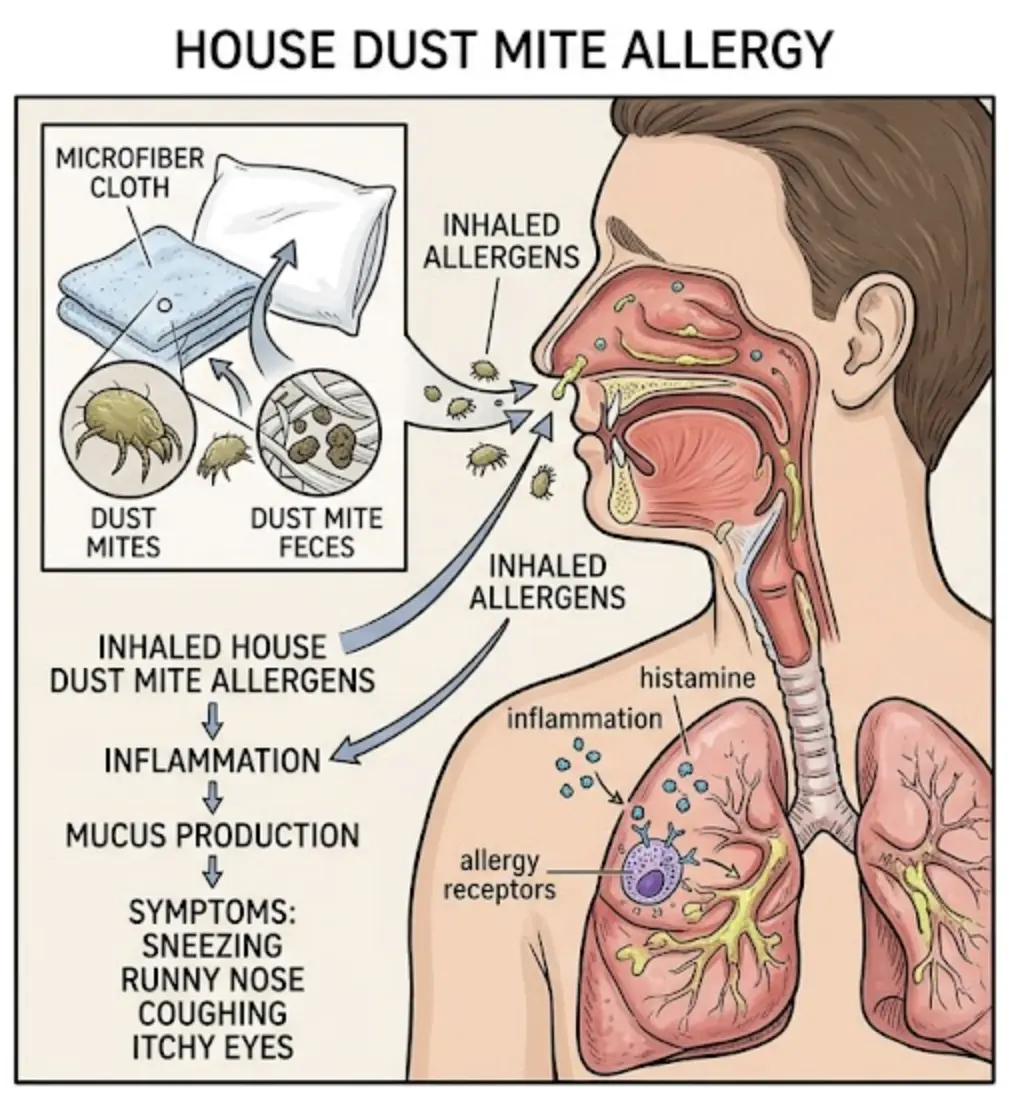
The symptoms of allergic rhinitis can range from mild to severe and can significantly impact your daily life, sleep, and overall well-being. They often include:
- Sneezing: Frequent and often in bursts.
- Runny nose: Clear, watery discharge.
- Blocked nose: Congestion that can make breathing difficult.
- Itchy nose, eyes, throat, or ears: A persistent tickling or irritation.
- Watery, red, or itchy eyes: Known as allergic conjunctivitis.
- Post-nasal drip: Mucus dripping down the back of your throat, potentially causing a cough or sore throat.
- Reduced sense of smell: Difficulty detecting scents.
- Headaches or facial pain: Due to sinus congestion.
- Fatigue: Often resulting from disturbed sleep due to symptoms.
For immunotherapy to be considered, your symptoms would typically be described as moderate to severe and persistent. This means they continue to bother you despite your best efforts to avoid allergens and use conventional medications like antihistamines and nasal sprays.
Causes
Allergic rhinitis occurs when your immune system mistakenly identifies a harmless substance, called an allergen, as a threat. When you come into contact with this allergen, your body produces specific antibodies (a type of protein called IgE) that trigger an inflammatory response. This reaction leads to the release of chemicals like histamine, which cause the familiar allergy symptoms.
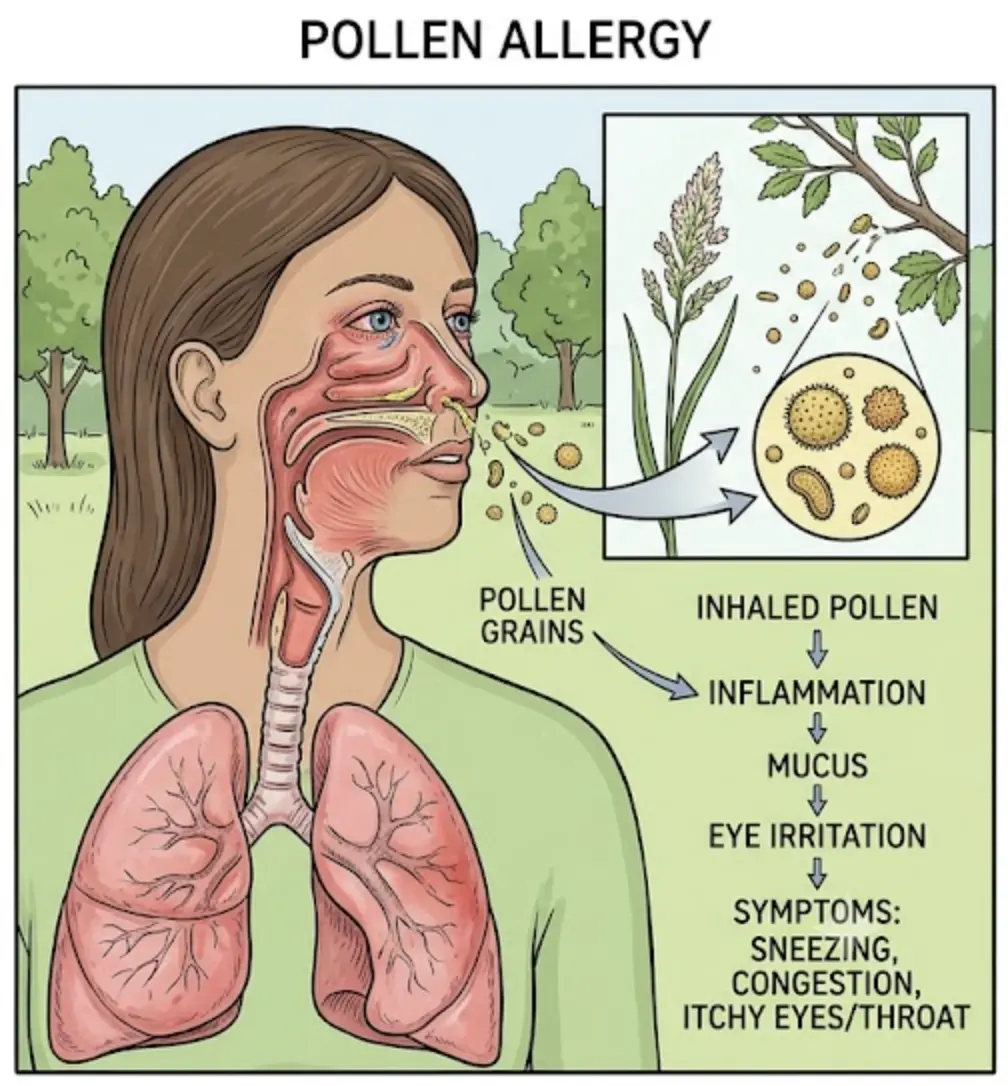
Common allergens that trigger allergic rhinitis and can be targeted by immunotherapy include:
- Pollen: From trees (like birch), grasses, and weeds, causing seasonal hay fever.
- House dust mites: Tiny insects that live in dust, bedding, and carpets, causing year-round symptoms.
- Animal dander: Flakes of skin, saliva, or urine from pets like cats and dogs.
Immunotherapy is most effective when your allergy is primarily driven by one or a few specific allergens (sometimes called being "monosensitised"). Accurate identification of these specific triggers is crucial for successful treatment.
Diagnosis and Investigations
Before considering immunotherapy, your doctor will conduct a thorough assessment to confirm your diagnosis of allergic rhinitis, identify the specific allergens causing your symptoms, and ensure that conventional treatments have been fully explored.
Diagnosis
The diagnostic process typically involves:
- Detailed Clinical History: Your doctor will ask you many questions about your symptoms, including when they started, how often they occur, what seems to trigger them, and how they affect your daily life. They will also ask about your family history of allergies and any medications you are currently taking.
- Review of Current Treatments: It's essential to review how well you've been using your existing medications (like antihistamines and nasal sprays) and if you've been trying to avoid allergens. Optimising these conventional treatments is always the first step.
- Referral to a Specialist: If your symptoms remain uncontrolled despite these measures, your GP may refer you to an allergy specialist or an ENT (Ear, Nose, and Throat) consultant for further assessment. This specialist will determine if immunotherapy is a suitable option for you.
Investigations
To accurately identify the specific allergens responsible for your symptoms, the specialist will usually recommend one or both of the following tests:
- Skin Prick Tests: This involves placing a tiny drop of various allergen extracts on your forearm and then gently pricking the skin surface through the drop. If you are allergic to a substance, a small, itchy red bump (like a mosquito bite) will appear within 15-20 minutes. This test is quick and generally well-tolerated.
- Blood Tests (Specific IgE): A blood sample can be taken to measure the levels of specific IgE antibodies in your blood. High levels of these antibodies against a particular allergen indicate an allergy to that substance. This test is particularly useful if skin prick tests cannot be performed (e.g., due to skin conditions or certain medications).
These investigations are vital to ensure that immunotherapy targets the correct allergen, maximising its effectiveness for you.
Management and Treatment
Managing allergic rhinitis typically starts with conventional treatments. Immunotherapy is considered when these initial approaches are not enough to control your symptoms effectively.
Initial Management (Conventional Treatments):
Before considering immunotherapy, your doctor will ensure you've tried and optimised standard treatments. These include:
- Allergen Avoidance: Taking steps to reduce your exposure to the allergens you react to (e.g., keeping windows closed during high pollen counts, using special bedding for dust mites, or keeping pets out of certain rooms).
- Antihistamines: These medications block histamine, reducing itching, sneezing, and runny nose. They can be taken as oral tablets (non-sedating second-generation antihistamines are usually preferred) or as nasal sprays.
- Intranasal Corticosteroids (INCSs): These nasal sprays reduce inflammation in your nose and are often the first-line treatment for moderate to severe persistent allergic rhinitis. They are very effective at relieving congestion, sneezing, and runny nose.
- Combination Therapy: If a single medication isn't enough, your doctor might recommend using an INCS alongside an intranasal antihistamine.
- Eye Drops: For itchy or watery eyes (allergic conjunctivitis).
- Leukotriene Receptor Antagonists: These are sometimes used, especially if you also have asthma, but they are not usually the primary treatment for allergic rhinitis alone.
It's crucial to use these medications regularly and correctly for them to be most effective. Your doctor will check your compliance before moving on to other options.
Immunotherapy (Desensitisation):
If your moderate to severe allergic rhinitis symptoms persist despite optimal conventional treatments and allergen avoidance, your specialist may recommend immunotherapy. This treatment is unique because it modifies your immune system's response to allergens, aiming for long-term relief rather than just temporary symptom control.
Immunotherapy involves giving you small, gradually increasing doses of the allergen you are sensitive to. Over time, this helps your immune system build tolerance, reducing your allergic reactions.
There are two main ways immunotherapy is given:
- Sublingual Immunotherapy (SLIT):
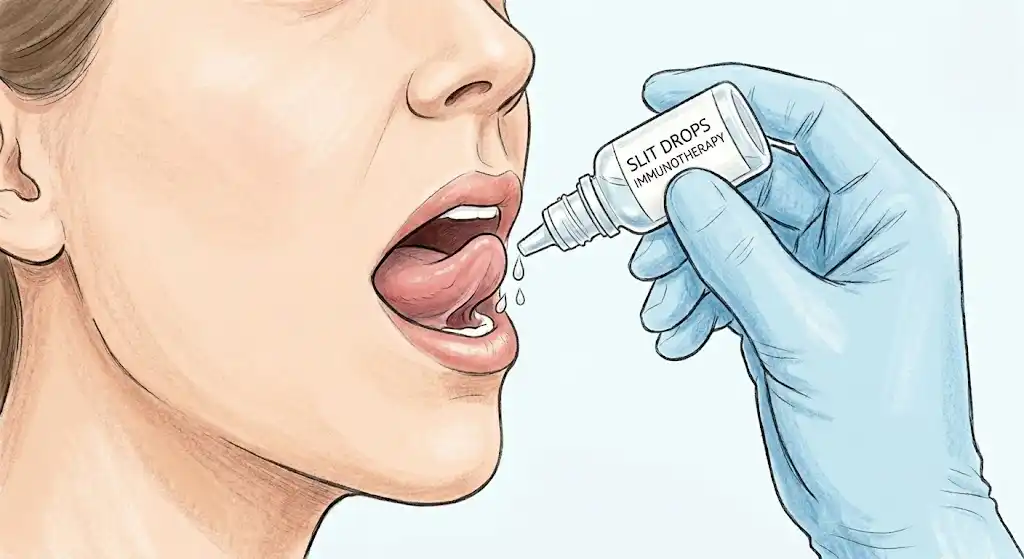
- This involves taking a dissolvable tablet or drops containing the allergen extract daily.
- You place the tablet or drops under your tongue, where they are absorbed.
- SLIT is typically taken at home, but you'll have regular check-ups with your allergy team.
- Treatment usually lasts for about three years. It requires high commitment and adherence to the daily regimen for the best results.
- Specific SLIT tablets are available for common allergens like grass pollen, birch tree pollen, and house dust mites.
- Subcutaneous Immunotherapy (SCIT):
- This involves receiving injections of the allergen extract under the skin, usually in your upper arm.
- Initially, injections are given weekly, with the dose gradually increasing. Once a maintenance dose is reached, injections are typically given monthly.
- SCIT is always administered in a medical setting under the supervision of healthcare professionals. This is because there's a small risk of a severe allergic reaction, so you'll need to be monitored for at least an hour after each injection.
- Like SLIT, SCIT treatment usually lasts for about three years.
Important points during immunotherapy:
- Continue Other Medications: During the initial phase of immunotherapy, you should continue using your regular antihistamines, nasal sprays, and eye drops. Immunotherapy doesn't provide immediate symptom relief, so these medications will help manage your symptoms in the meantime. Non-sedating antihistamines can also help manage any mild side effects from the immunotherapy itself.
- Treatment Interruptions: It's very important to contact your allergy team if you interrupt your treatment for more than seven days.
- Pausing Treatment: You should pause your immunotherapy if you have a fever, are experiencing an asthma attack, or on days when you receive vaccinations.
- Pregnancy: Immunotherapy should not be started if you are pregnant. However, if you are already on a maintenance dose and not experiencing any systemic reactions, your doctor may advise you to continue.
- Asthma: While severe uncontrolled asthma can be a reason not to start immunotherapy, mild seasonal asthma is not usually a barrier, especially if the dose adjustments are made outside of your allergy season.
Immunotherapy is a significant commitment, but its ability to modify the disease and provide long-lasting relief makes it a valuable option for many people.
Prevention
While immunotherapy aims to change your body's response to allergens, taking steps to prevent or reduce your exposure to these triggers remains an important part of managing allergic rhinitis. These measures can help reduce your symptoms and complement your treatment.
- Pollen Avoidance:
- Keep windows and doors closed, especially during peak pollen times (usually early morning and late afternoon).
- Avoid drying laundry outdoors, as pollen can stick to clothes.
- Wear sunglasses to protect your eyes from pollen.
- Consider wearing a face mask when gardening or doing outdoor activities during high pollen counts.
- Shower and wash your hair after being outdoors to remove pollen.
- House Dust Mite Reduction:
- Use allergen-proof covers on mattresses, duvets, and pillows.
- Wash bedding weekly at 60°C or higher.
- Use a vacuum cleaner with a HEPA filter.
- Reduce humidity in your home by using extractor fans in bathrooms and kitchens.
- Consider removing carpets and heavy curtains, which can trap dust mites.
- Animal Dander Management:
- If you are allergic to a pet, try to keep it out of your bedroom and other specific areas of your home.
- Wash pets regularly (if appropriate for the animal).
- Maintain strict hygiene, washing hands after touching pets.
- Use HEPA air filters in your home.
These preventative steps, combined with appropriate medical treatment, can significantly improve your comfort and quality of life.
Outlook / Prognosis
The outlook for individuals undergoing immunotherapy for allergic rhinitis is generally very positive. This treatment is designed to provide long-term benefits by fundamentally changing your immune system's response to allergens, rather than just masking symptoms.
After completing the typical three-year course of immunotherapy, many patients experience a significant and lasting reduction in their allergic rhinitis symptoms. Clinical trials have shown that patients can see a 30-40% reduction in symptoms and the need for allergy medications even within the first year of treatment. Crucially, these benefits are expected to persist for several years, often long after the treatment course has finished.
This long-term immune tolerance means that your body learns to "ignore" the allergen, leading to fewer allergic reactions and a much improved quality of life. Patients often report better sleep, increased participation in daily activities, and an overall sense of well-being that was previously impacted by their persistent allergy symptoms.
For children with allergic rhinitis, immunotherapy offers an additional significant benefit: it can help prevent the development of asthma, protecting their respiratory health in the long run. This disease-modifying effect is one of the most compelling reasons to consider immunotherapy.
While immunotherapy requires a long-term commitment, the lasting relief from symptoms and the potential to reduce or even eliminate the need for daily allergy medications make it a highly valuable and life-changing treatment for many people with severe allergic rhinitis.
Need Expert Advice?
Book a consultation with Mr Ahmad Hariri to discuss your symptoms and treatment options.
Book a Consultation