
Laryngopharyngeal (LPR/Silent) Reflux

Disclaimer: Disclaimer: This leaflet provides general information and is intended for educational purposes only. It should not be used as a substitute for professional medical advice, diagnosis, or treatment. Always seek the advice of a qualified healthcare professional for any health concerns or before making any decisions related to your health or treatment.
This leaflet may contain links to external websites or resources (e.g. YouTube) for demonstration purposes; however, these links are provided for information only. Clinicol.co.uk is not affiliated with, does not endorse, and is not responsible for the content, accuracy, or copyright compliance of these external sources. Use of these external links is at your own discretion and risk.
Overview
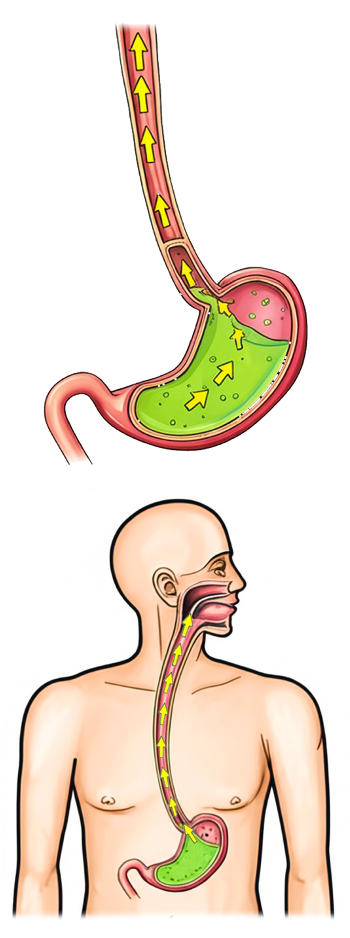
Laryngopharyngeal reflux (LPR), often called silent reflux, is a condition where stomach acid flows back up into the larynx (voice box) and pharynx (throat). Unlike typical acid reflux (GERD), LPR often doesn't cause heartburn. The refluxed stomach acid irritates the throat and voice box, leading to various symptoms.
Symptoms and Causes
Symptoms:
- Hoarseness or a change in voice quality
- Persistent cough, especially at night
- Frequent throat clearing
- Sensation of a lump or something stuck in the throat (globus sensation)
- Postnasal drip (excess mucus in the back of the throat)
- Sore throat Difficulty or pain when swallowing (dysphagia)
- Bad breath (halitosis
Causes:
- LPR symptoms can vary, and some individuals may experience only a few. Common symptoms include:
- Heartburn or indigestion (less common in LPR than GERD)
- Hiatus hernia (part of the stomach pushing up through the diaphragm)
- Obesity
- Smoking
- Certain medications (e.g., some asthma medications, muscle relaxants)
- Dietary factors (e.g., fatty or spicy foods, caffeine, alcohol)
- Eating large meals or eating close to bedtime
Diagnosis and Investigations
LPR occurs when the lower oesophageal sphincter (LOS), a muscle at the bottom of the oesophagus, weakens or relaxes inappropriately, allowing stomach acid to flow back up. The upper oesophageal sphincter (UOS), located at the top of the oesophagus, may also malfunction, contributing to LPR. Several factors can contribute to LPR, including:
If you experience LPR symptoms, consult your GP or an ENT specialist. They will assess your symptoms and medical history and may perform one or more of the following investigations:
.jpg?alt=media&token=3e85a702-d5ac-4b6c-b276-4629d2917c9d)
- Laryngoscopy: A thin, flexible tube with a camera is inserted through your nose to view the larynx and pharynx. This helps identify any inflammation or damage caused by acid reflux.
- 24-hour pH monitoring: A small sensor is placed in your oesophagus to measure acid levels over 24 hours. This helps determine the frequency and duration of reflux episodes.
- Endoscopy: A thin, flexible tube with a camera is passed through your mouth and down your oesophagus to examine the oesophagus, stomach, and duodenum. This can help identify any abnormalities or complications related to reflux.
- Barium swallow: You swallow a liquid containing barium, which coats the oesophagus and makes it visible on X-rays. This can help identify any structural abnormalities or blockages.
Management and Treatment
LPR treatment aims to reduce acid reflux, relieve symptoms, and heal any damaged tissues. Treatment options may include:
Lifestyle changes:
- Dietary modifications: Avoid trigger foods such as fatty or spicy foods, chocolate, caffeine, alcohol, citrus fruits, and tomatoes. Eat smaller, more frequent meals and avoid eating close to bedtime.
- Weight management: Losing weight, if you are overweight or obese, can help reduce reflux.
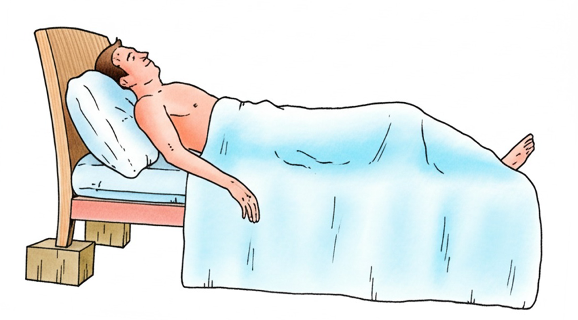
- Elevating the head of your bed: Raise the head of your bed by 6-8 inches using blocks under the bedposts. Do not use extra pillows, as this can worsen reflux by bending your body at the waist.
- Quitting smoking: Smoking weakens the LOS and worsens reflux.
- Stress management: Stress can exacerbate reflux symptoms. Consider relaxation techniques such as yoga, meditation, or deep breathing exercises.
Medications:
- Antacids: These over-the-counter medications (e.g., Rennie®) neutralise stomach acid and provide temporary relief from heartburn and indigestion. They can be taken as needed, but it's essential to follow the instructions on the packaging.
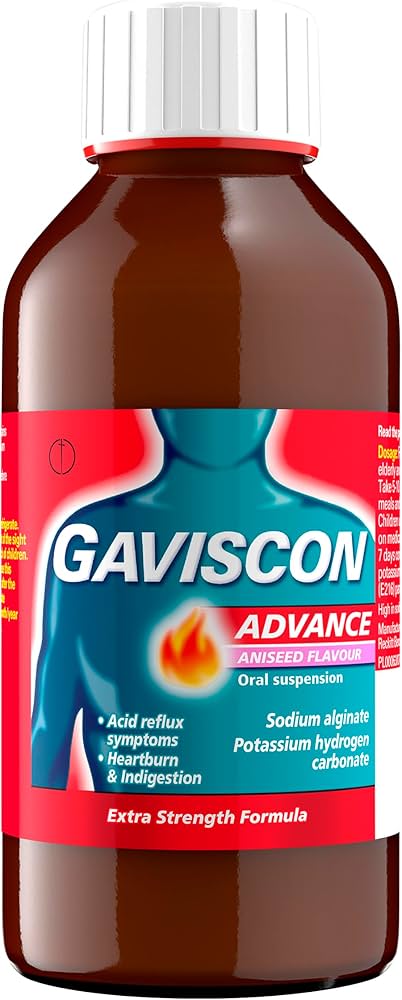
- Alginates: These medications form a protective barrier over the stomach contents, preventing acid reflux. They are available over-the-counter and can be taken after meals and at bedtime just before going to sleep. Some formulations such (e.g., Gaviscon Double Action®) contain both an antacid and an alginate that act to both neutralise the stomach acid and form a barrier to prevent further reflux from the stomach.
- H2 blockers: These medications (e.g., Ranitidine (Zantac), Famotidine (Pepcid) reduce stomach acid production. Ranitidine is available over-the-counter at a lower dose, while higher doses and famotidine require a prescription. They are usually taken once or twice daily.
- Proton pump inhibitors (PPIs): These medications (e.g., Omeprazole (Pyrocalm), Lansoprazole (Zoton), Esomeprazole (Nexium) are the most effective at reducing stomach acid production. Omeprazole is available over-the-counter at a lower dose, while higher doses and other PPIs require a prescription. They are usually taken once daily, before breakfast.
Surgery:
Surgery is rarely needed for LPR but may be considered in severe cases that don't respond to other treatments. Fundoplication is a surgical procedure that strengthens the LOS, preventing acid reflux.
Prevention
Many of the lifestyle changes recommended for treating LPR can also help prevent it. These include:
- Maintaining a healthy weight
- Avoiding trigger foods
- Eating smaller, more frequent meals
- Avoiding eating close to bedtime
- Quitting smoking
- Managing stress
Outlook/Prognosis
With appropriate treatment and lifestyle changes, the outlook for LPR is generally good. Most people experience significant improvement in their symptoms, and long-term complications are rare. However, some individuals may require ongoing management of their condition. It's essential to follow your doctor's recommendations and attend regular follow-up appointments to monitor your progress and adjust treatment as needed.
Need Expert Advice?
Book a consultation with Mr Ahmad Hariri to discuss your symptoms and treatment options.
Book a Consultation