
Nasal Saline Douching

Disclaimer: Disclaimer: This leaflet provides general information and is intended for educational purposes only. It should not be used as a substitute for professional medical advice, diagnosis, or treatment. Always seek the advice of a qualified healthcare professional for any health concerns or before making any decisions related to your health or treatment.
This leaflet may contain links to external websites or resources (e.g. YouTube) for demonstration purposes; however, these links are provided for information only. Clinicol.co.uk is not affiliated with, does not endorse, and is not responsible for the content, accuracy, or copyright compliance of these external sources. Use of these external links is at your own discretion and risk.
What is Nasal Saline Douching?
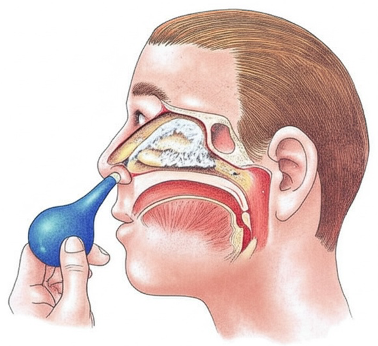
Nasal saline douching (also called nasal rinsing, lavage, or irrigation) is a technique used to wash out your nasal passages and sinuses. It involves flushing these areas with a sterile saltwater (saline) solution using a specially designed device. It's a safe and effective way to manage various nasal and sinus conditions.
Why is Nasal Saline Douching Recommended?
Think of it as gently 'washing' the inside of your nose. Regular douching provides several benefits:
Cleanses Nasal Passages: Effectively removes mucus, dried crusts, dust, pollutants, allergens (like pollen, pet dander), and other irritants that can cause inflammation or blockage.
- Moisturises: Soothes dryness and irritation inside the nose.
- Improves Cilia Function: The nasal passages are lined with tiny hair-like structures called cilia, which constantly move to sweep mucus and debris towards the throat. Douching helps them function more efficiently.
- Reduces Congestion: Helps to clear blocked nasal passages and sinuses, making breathing easier.
- Supports Healing: Useful after nasal surgery or nosebleeds to keep the area clean and prevent infection or scab formation.
- Reduces Medication Need: For some people, regular douching may reduce the need for other nasal medications.
It is frequently recommended by ENT specialists for chronic rhinosinusitis, allergic rhinitis, acute sinus infections (as an adjunct therapy), nasal polyps, and post-operatively.
What Equipment and Ingredients Do I Need?
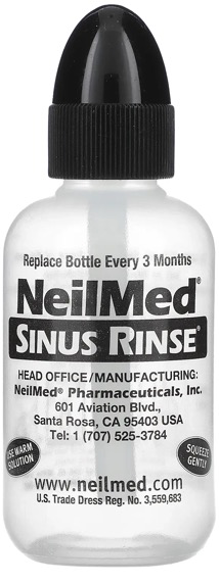
- Nasal Douching Device: Choose either:
- Squeeze Bottle: (e.g., NeilMed® Sinus Rinse™, NasoFlo®) – Allows controlled pressure.
- Neti Pot: A small pot with a spout, using gravity to rinse.
- These are readily available from most high street pharmacies, larger supermarkets, or online. Avoid devices creating high pressure unless specifically advised.
- Saline Solution: You have two choices:
- Pre-mixed Sachets: Convenient, pre-measured packets of salt and baking soda. Often sold with the device or separately.
- Homemade Ingredients: See recipe below.
- Safe Water: Using unsafe water can introduce dangerous microorganisms into your sinuses. Always use clean water.
Preparing Your Saline Solution
Water Safety First: Always start with safe, lukewarm water. Do not use hot water.
Using Pre-Mixed Sachets (Recommended for ease and accuracy):
- Wash hands thoroughly.
- Fill the clean douching bottle/pot to the 240ml line (or as directed) with lukewarm safe water.
- Cut or tear open one sachet and pour the contents into the bottle.
- Screw the cap on securely. Place a finger over the nozzle and gently shake or swirl until fully dissolved.
- Making Your Own Solution:
- Wash hands thoroughly.
- Measure 240ml (about half a pint or one cup) of lukewarm safe water into your clean douching device or a clean container.
- Add the following:
- Half a level teaspoon of non-iodised salt (e.g., pickling, canning, kosher salt). Standard table salt often contains iodine and anti-caking agents that can irritate the nose.
- Half a level teaspoon of baking soda (sodium bicarbonate). This helps buffer the solution, making it gentler.
- Stir well, or if using the bottle, cap and shake gently until completely dissolved. Check no crystals remain.
- Storage: Use homemade solution immediately. It must be discarded after 24 hours as it contains no preservatives and can grow bacteria. Make a fresh solution for each rinse.
How to Perform Nasal Saline Douching Correctly
Get Ready: Stand comfortably over a sink or basin, or do it in the shower.
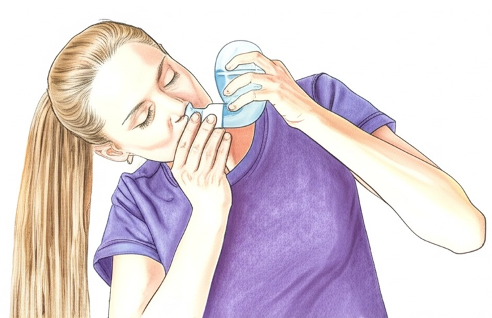
Position: Lean forward from the waist, so your head is facing downwards towards the sink. Tilt your head slightly sideways, so one nostril is higher than the other (e.g., tilt head left to rinse right nostril first).
Insert Nozzle: Gently insert the tip of the squeeze bottle or Neti Pot spout into the upper nostril, creating a comfortable seal. Aim the nozzle towards the back of your head, slightly angled away from the central nasal septum (the wall between your nostrils).
Start Rinsing:
- Squeeze Bottle: Keep your mouth open (breathe through your mouth) and gently squeeze the bottle with steady pressure. The solution will flow through the nasal cavity and out of the lower nostril.
- Neti Pot: Keep your mouth open. Tilt the pot so the solution flows naturally into the upper nostril and out through the lower one.
- Important: Breathe calmly through your mouth throughout. Do not sniff, swallow, or hold your breath.
Volume: Use approximately half the solution (120ml) for the first side.
Switch Sides: Gently remove the nozzle. Straighten your head briefly, then tilt it the opposite way. Repeat the steps for the other nostril using the remaining solution.
Clear Nose: Once finished, stand upright and gently blow your nose into a tissue to clear any excess solution and loosened mucus. Blow one nostril at a time. Avoid blowing hard to prevent pressure in your ears. You may need to lean forward and tilt your head side to side gently to help drain any remaining solution.
"Ka-Ka-Ka" Tip: To help prevent solution draining down your throat, try gently saying "ka-ka-ka" or making a soft 'K' sound while rinsing. This can help close off the back of your throat (soft palate). If some solution does reach your throat, it's harmless – just spit it out.
Optional Tip: Adding Baby Shampoo
For some individuals, particularly those with very thick mucus or crusting (e.g., after surgery or with chronic sinusitis), adding a tiny amount of baby shampoo can act as a surfactant, helping to break down mucus more effectively.
- How: Add just 2 or 3 drops of non-perfumed baby shampoo (like Johnson's Baby Shampoo or a pharmacy's own brand) to your prepared 240ml saline solution. Mix gently.
- Caution: Use only a tiny amount. If it causes irritation, stop using the shampoo and revert to saline only. Discuss using this with your doctor or specialist nurse if unsure.
Frequency of Use
Most people benefit from douching once or twice daily. Your doctor or specialist will advise the best frequency for your specific condition. It is generally considered safe for continuous long-term use. If using medicated nasal sprays (like steroids), douche before using the spray to clear the way for the medication.
Keeping Your Equipment Clean – Essential!
Dirty equipment can introduce infection. Clean your device thoroughly after every use:
- Rinse: Rinse the bottle/pot, cap, and tube immediately with clean tap water.
- Wash: Add a few drops of washing-up liquid and fill with warm tap water. Close and shake vigorously. Use a small brush to clean inside and the nozzle/tube if necessary.
- Rinse Thoroughly: Empty and rinse all parts meticulously with clean tap water until all soap residue is gone.
- Air Dry Completely: Shake off excess water. Place the parts upside down on a clean paper towel or a drying rack. Allow to air dry fully before reassembling or storing. Store in a clean, dry place.
- Disinfect Regularly: Consider disinfecting the device periodically (e.g., weekly) using methods like:
- Soaking in a baby bottle sterilising solution (e.g., Milton), following product instructions.
- Soaking in a solution of white vinegar and water (e.g., 1 part vinegar to 3 parts water) for 10-15 minutes, followed by thorough rinsing.
- Replace: Replace the device every 3-6 months, or sooner if it becomes discoloured, cracked, or worn.
Potential Side Effects and Troubleshooting
Nasal douching is very safe when done correctly. If you experience issues, check the following:
- Mild Stinging/Burning: Usually temporary. Ensure water is lukewarm (not hot or cold), salt/bicarbonate is fully dissolved, and measurements are correct. Ensure you're using non-iodised salt.
- Ear Fullness/Popping: Often due to blowing nose too hard or solution entering the Eustachian tube. Blow gently, one nostril at a time. Adjust head position if it persists.
- Minor Nosebleeds: Can occur if crusts are dislodged or if the nozzle irritates the nose. Be gentle inserting the tip and blowing your nose.
- Solution Down Throat: Check head position (lean further forward, more tilt), keep mouth open, try the "ka-ka-ka" technique. Spit out any solution that enters the mouth.
When Should I Contact My Doctor or Specialist?
Seek advice from your healthcare provider if you experience:
- Persistent or severe nasal irritation or burning.
- Frequent or heavy nosebleeds.
- Ear pain, persistent ear blockage, or signs of ear infection.
- Worsening nasal symptoms despite regular douching.
- Signs of a worsening sinus infection (increased facial pain/pressure, fever, worsening thick coloured discharge).
- Any other effects that concern you.
Need Expert Advice?
Book a consultation with Mr Ahmad Hariri to discuss your symptoms and treatment options.
Book a Consultation