
Nosebleeds

Disclaimer: Disclaimer: This leaflet provides general information and is intended for educational purposes only. It should not be used as a substitute for professional medical advice, diagnosis, or treatment. Always seek the advice of a qualified healthcare professional for any health concerns or before making any decisions related to your health or treatment.
This leaflet may contain links to external websites or resources (e.g. YouTube) for demonstration purposes; however, these links are provided for information only. Clinicol.co.uk is not affiliated with, does not endorse, and is not responsible for the content, accuracy, or copyright compliance of these external sources. Use of these external links is at your own discretion and risk.
Overview
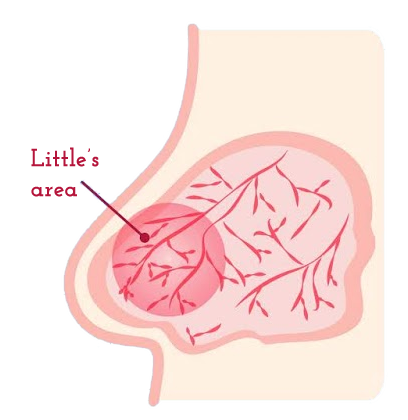
Nosebleeds, also known as epistaxis, are very common and can be quite alarming, but they are usually not serious. They occur when a blood vessel inside your nose breaks and bleeds. Most nosebleeds can be managed at home with simple first aid. However, some nosebleeds may require medical attention, especially if they are heavy, prolonged, or keep coming back. This leaflet will provide you with the necessary information on how to manage nosebleeds effectively.
Symptoms and Causes
What does a nosebleed look like? The main symptom of a nosebleed is, of course, bleeding from one or both nostrils. The blood may be a light trickle or a heavier flow. The blood may also go down the back of your throat, which can sometimes make you feel a bit sick. Most nosebleeds originate from the front part of the nose, in an area called Little’s area. This area contains a high concentration of small blood vessels which are close to the surface and therefore more prone to damage and bleeding.
What causes nosebleeds?
Many things can trigger a nosebleed. Sometimes, there may be no apparent reason, but some common causes include:
- Dry Nasal Membranes: Dry air can make the lining of your nose more fragile and susceptible to bleeding. This is common in centrally heated homes or during winter.
- Nose Picking: This is a common cause, especially in children, as it can easily damage the delicate blood vessels in the nose.
- Colds and Allergies: Conditions like the common cold, hay fever, or sinusitis can cause inflammation and irritation in the nasal passages, making them more prone to bleeding.
- Blowing your nose The force of blowing your nose can cause small blood vessels to rupture
- Minor Injuries: Any bumps or knocks to the nose can cause a nosebleed.
- High Blood Pressure (Hypertension): While high blood pressure doesn't directly cause nosebleeds, it can make them more difficult to stop.
- Blood Thinning Medications (Anticoagulants): Medications such as aspirin, warfarin, rivaroxaban, apixaban, and clopidogrel, which prevent blood clots, can increase the risk and duration of nosebleeds.
- Alcohol: Drinking too much alcohol can affect your blood’s ability to clot properly
- Stress Physical or emotional stress can play a role
- Cocaine use can irritate and damage the nasal lining
It is important to note that nosebleeds can occur at any time, and sometimes there may be no obvious reason for them.
Diagnosis and Investigations
In most cases, a diagnosis can be made just from your history and examination of your nose. If the nosebleeds are persistent and not stopping or you have other medical concerns, we may undertake further investigations. These can include:
- Medical History: We’ll ask you about your medical background, any medications you are taking and your lifestyle.
- Physical Examination: Your nose, throat and head and neck area will be examined. We will also check your blood pressure.
- Blood Tests: Blood tests may be done to check your blood counts and how well your blood clots. This is especially helpful in patients on blood thinning medication.
- Endoscopy: If the bleeding does not settle, a thin flexible camera (endoscope) may be used to examine the inside of your nose, to find the source of the bleeding.
Management and Treatment
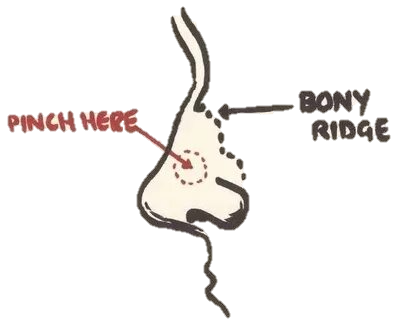
First Aid for Simple Nosebleeds
Most nosebleeds can be treated at home. If you get a nosebleed, follow these steps:
- Stay Calm: Try not to panic. Nosebleeds are usually not serious, and anxiety can make it worse.
- Sit Upright: Sit upright and lean slightly forward. This helps to reduce blood flow to the nose.
- Pinch Your Nose: Use your thumb and index finger to firmly pinch the soft part of your nose, just below the bony part of your nose. Make sure to close your nostrils properly.
- Apply Pressure: Maintain firm pressure for 15-20 minutes without releasing. Do not release your fingers to check if the bleeding has stopped as this could restart the nosebleed. The sustained pressure will help the blood to clot.
- Breathe Through Your Mouth: While pinching your nose, breathe through your mouth.
- Cold Compress: Applying a cold compress or ice pack to the bridge of your nose can help to constrict the blood vessels and reduce the bleeding.
- Avoid Swallowing Blood: If any blood goes into your throat, spit it out into a bowl or tissue, as swallowing blood can make you feel unwell.
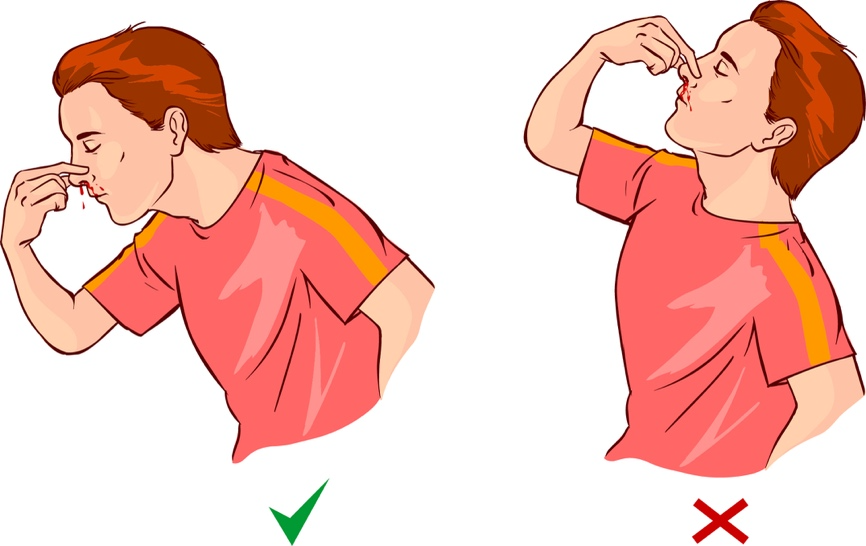
Once the bleeding stops, it's very important to avoid the following for the next few days:
- Picking or Blowing your Nose: Avoid touching or blowing your nose forcefully for at least 24 hours, as this can dislodge the clot and cause further bleeding.
- Strenuous Activities: Refrain from heavy lifting, strenuous exercise, or any activity that increases blood pressure.
- Hot Baths: Avoid hot baths and showers as this can increase the chances of bleeding
- Alcohol and Smoking: Limit or avoid alcohol and smoking, as they can hinder the healing process and increase your risk of further nosebleeds.
When to Seek Medical Help
If your nosebleed doesn't stop after 20 minutes of applying direct pressure, or if it is heavy, it's important to seek medical attention. Other reasons to seek medical help include:
- If your nosebleed is heavy.
- If you feel dizzy, lightheaded, or faint.
- If you swallow large amounts of blood and feel sick.
- If your nosebleed follows a head injury.
- If you are taking blood-thinning medications.
- If you have a bleeding disorder.
- If the bleeding is coming from the back of your nose (posterior bleeding)
Medical Treatments for Nosebleeds
If simple first aid doesn't work, or if your nosebleed is severe, there are several medical treatments your doctor might use to stop the bleeding:
- Cauterisation (Burning): This is a procedure used to seal the bleeding blood vessel. It may be used after the bleeding has settled. A chemical substance called silver nitrate is applied to the bleeding point. The area may be numbed with a local anaesthetic spray. Silver nitrate may cause temporary dark staining of the skin which can be wiped off.
- Nasal Packing: If cauterisation is not suitable, then we may use nasal packing. This involves inserting gauze or a special sponge into the nose, to apply pressure to the bleeding area. It can be a bit uncomfortable and you may need to stay in hospital until the packing is removed in one or two days' time. If you are on blood thinning medication then this treatment is often needed. Another form of nasal packing involves using a special inflatable device to put pressure on the bleeding point. Once the pack is removed, we may advise you on how to continue with your blood thinning medication.
- Floseal: This is a dissolvable hemostatic (stops bleeding) foamy agent that can be inserted into your nose to stop bleeding. This is safe and effective and if it works we may allow you to go home once the bleeding stops.
- Medications: For severe cases, you may need intravenous fluids, iron or blood transfusions if the blood loss has been significant.
- Surgery: If none of these methods work, an operation may be needed to tie off (ligate) the bleeding blood vessel. Another surgical option is called embolisation, where the blood vessel is blocked using a special glue.
Medications
In some cases, we might prescribe some medications:
- Naseptin Cream: This is an antiseptic cream containing chlorhexidine and neomycin. It is used to treat infection and prevent nosebleeds related to crusting. Apply a pea-sized amount of cream inside the nostrils three times a day for a few weeks. This cream is prescription only so you’ll need to speak to your GP about this. Please let us know if you are allergic to peanuts or soy as Naseptin may contain peanut oil.
- Bactroban Cream: A similar alternative to Naseptin, Bactroban does not contain peanut oil. It is also an antiseptic cream used to treat infection and prevent nosebleeds related to crusting. You’ll need a prescription for this cream from your GP. Apply three times a day for a few weeks.
Prevention
To help prevent nosebleeds, you can follow these tips:
- Keep Your Nasal Passages Moist:
- Use a saline nasal spray or gel regularly, especially during dry weather or when indoors with central heating.
- Use a humidifier, particularly during the night, to add moisture to the air.
- Avoid Irritating Your Nose:
- Do not pick your nose and try to break the habit.
- Avoid forceful nose blowing.
- Treat Nasal Conditions: Get prompt treatment for colds, allergies, and sinusitis to prevent nosebleeds. Talk to your GP about managing your hayfever with antihistamines or nasal sprays.
- Manage Blood Pressure: If you have high blood pressure, make sure to follow your doctor's advice to keep it under control.
- Review Medications: Discuss any blood-thinning medications with your doctor, and whether an adjustment is required.
- Avoid Smoking: Smoking will dry your nasal passages
- Avoid Strenuous Activities: When you have a nosebleed try to limit straining.
- Avoid Very Hot Food and Drinks Try to keep your food and drinks lukewarm.
- Avoid Very Hot Baths Try to avoid steaming baths.
Outlook / Prognosis
Most nosebleeds are mild and easily managed at home. However, recurrent or severe nosebleeds can be disruptive and require further investigation by an ENT specialist. With appropriate treatment and preventive measures, you can manage your nosebleeds effectively. If you find that you are having recurrent nosebleeds, or the advice in this leaflet does not help, do discuss this with your GP so that you can be referred to an ENT specialist if needed.
Need Expert Advice?
Book a consultation with Mr Ahmad Hariri to discuss your symptoms and treatment options.
Book a Consultation