
Post Nasal Drip

Disclaimer: Disclaimer: This leaflet provides general information and is intended for educational purposes only. It should not be used as a substitute for professional medical advice, diagnosis, or treatment. Always seek the advice of a qualified healthcare professional for any health concerns or before making any decisions related to your health or treatment.
This leaflet may contain links to external websites or resources (e.g. YouTube) for demonstration purposes; however, these links are provided for information only. Clinicol.co.uk is not affiliated with, does not endorse, and is not responsible for the content, accuracy, or copyright compliance of these external sources. Use of these external links is at your own discretion and risk.
Overview
It is very common to feel as though there is mucus or fluid running down the back of your throat. This sensation is often called post-nasal drip. In reality, your nose and throat are designed to produce mucus every single day to keep the lining of your airways moist and to trap dust or germs. Most of the time, you swallow this mucus automatically without even noticing it.
When you become aware of this process, it is usually because the mucus has become thicker, stickier, or more abundant than usual. While it can feel like a nose problem, it is almost often a result of increased sensitivity of the throat rather than excess mucus production or a sinus infection. It is important to know that this is a normal bodily function, and in many cases, it does not signal a serious illness. It is a very common experience that many people deal with at some point in their lives, and it is often manageable with simple changes to your daily routine.
Symptoms and Causes
Because the nose and throat are connected, any irritation in the nasal passages can easily affect the throat. When your nose produces extra mucus, it naturally trickles down the back of your throat, which can lead to a persistent need to clear your throat or a feeling that something is stuck there.
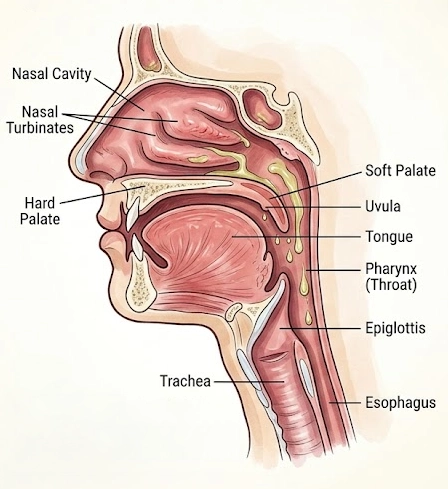
Symptoms
You might notice several different signs if you are experiencing this. Common symptoms include:
- A constant feeling that you need to clear your throat.
- A sensation of a lump or something stuck in the back of your throat.
- A persistent cough, which often happens because the mucus is irritating the vocal cords.
- A runny or blocked nose.
- A hoarse or scratchy voice.
- A crackling or popping sensation in your ears.
- Frequent swallowing.
Causes
There are many reasons why your body might produce more mucus than usual. Often, it is the result of your nose reacting to its environment. Common triggers include:
- Allergies: Things like hay fever or reactions to pets and dust can cause the nasal lining to swell and produce more fluid.
- Infections: Colds, the flu, or sinus infections (sinusitis) often cause the nose to produce thicker, sometimes coloured, mucus.
- Environmental Irritants: Smoke, strong perfumes, paint fumes, and changes in weather or humidity can irritate the lining of the nose.
- Reflux: Sometimes, stomach acid can travel up towards the throat, causing irritation that mimics the feeling of mucus.
- Medications: Certain drugs, such as those used for blood pressure or even some over-the-counter painkillers, can sometimes affect nasal secretions.
- Hormonal Changes: Pregnancy, puberty, or changes in hormone medication can also lead to increased nasal congestion.
Diagnosis and Investigations
If your symptoms are persistent and affecting your quality of life, it is a good idea to speak with a healthcare professional. They will focus on understanding your history to find the root cause.
Diagnosis
A doctor will usually start by asking you questions about how long you have had the symptoms and if anything specific makes them better or worse. They will want to know if you have other signs, such as sneezing, facial pain, or a reduced sense of smell. They may look inside your nose using a small light to check for signs of inflammation, polyps (small, soft growths on the lining of the nose), or excess mucus.
Investigations
In most cases, no complex tests are needed. However, if your symptoms are severe or do not improve, a specialist might use a thin, flexible camera called an endoscope to get a clear view of your nasal passages and the back of your throat. In some instances, they may request a scan of your sinuses to see if there is any hidden inflammation or blockage that is not visible during a standard check-up.
Management and Treatment
The most effective way to manage this condition is to focus on simple, daily habits that keep your airways hydrated and clear. You do not always need strong medication to feel better.
- Hydration: Drinking plenty of water—aiming for 1.5 to 2 litres a day—helps thin out the mucus, making it easier for your body to clear it naturally.
- Nasal Rinsing: Using a salt water spray or a homemade saline solution to wash out your nasal passages can be very soothing. You can make this at home using boiled (and cooled) water, salt, and a pinch of bicarbonate of soda.
- Steam Inhalation: Breathing in steam from a hot shower or a bowl of hot water can help loosen thick mucus.
- Lifestyle Adjustments: If reflux is a suspected cause, your doctor may suggest dietary changes or specific medications to help manage stomach acid.
- Medication: If allergies are the cause, your pharmacist can recommend antihistamines or nasal steroid sprays. Please note that decongestant sprays should not be used for more than a few days, as they can eventually make the congestion worse.
- Habit Breaking: It is very common to develop a habit of clearing your throat. While it feels helpful, it can actually irritate your vocal cords and make the sensation worse. Instead of clearing your throat, try taking a sip of water or swallowing hard.
Prevention
Preventing the return of these symptoms is largely about keeping your nasal lining healthy and avoiding known triggers. Try to identify what sets off your symptoms—whether it is cold air, strong smells, or specific allergens—and limit your exposure to them. Eating fresh fruit, such as pineapple, may also help some people. Keeping your home environment comfortable with a humidifier can prevent the air from becoming too dry, which often irritates the nose and throat. If you have known allergies, managing them consistently with the help of your GP or pharmacist is the best way to prevent the cycle of mucus production from starting in the first place.
Outlook / Prognosis
For the vast majority of people, this condition is not harmful, though it can be frustrating and may impact your daily comfort. It is important to remain patient, as it often takes time for the nasal lining to settle down after an infection or a period of irritation. By following the self-care steps mentioned above, most people find that their symptoms improve significantly over time. While some individuals may have a long-term condition like chronic sinusitis, this can usually be managed effectively with ongoing medical care and consistent nasal hygiene. If you find that your symptoms are not improving despite your best efforts, or if they are significantly affecting your sleep or work, continue to work with your healthcare team to explore other options. You are not alone in managing this, and with the right approach, you can regain your comfort and quality of life.
Need Expert Advice?
Book a consultation with Mr Ahmad Hariri to discuss your symptoms and treatment options.
Book a Consultation