
Swollen Lymph Nodes

Disclaimer: Disclaimer: This leaflet provides general information and is intended for educational purposes only. It should not be used as a substitute for professional medical advice, diagnosis, or treatment. Always seek the advice of a qualified healthcare professional for any health concerns or before making any decisions related to your health or treatment.
This leaflet may contain links to external websites or resources (e.g. YouTube) for demonstration purposes; however, these links are provided for information only. Clinicol.co.uk is not affiliated with, does not endorse, and is not responsible for the content, accuracy, or copyright compliance of these external sources. Use of these external links is at your own discretion and risk.
Overview
Your body contains a vital network of small, bean-shaped structures called lymph nodes, often referred to as 'glands'. These nodes are a crucial part of your immune system, acting like filters that trap harmful substances such as bacteria, viruses, and other pathogens. They are packed with white blood cells, which are the body's natural defenders, ready to combat infections. When your body is fighting an illness, these lymph nodes can swell as they work hard to clear the infection. This swelling is a common sign that your immune system is actively engaged in protecting you.
Symptoms and Causes
Swollen lymph nodes are generally a clear signal that your body is responding to an infection or, less commonly, another underlying condition. The way they feel and any other symptoms you experience can offer clues about what might be causing them to swell.
Symptoms
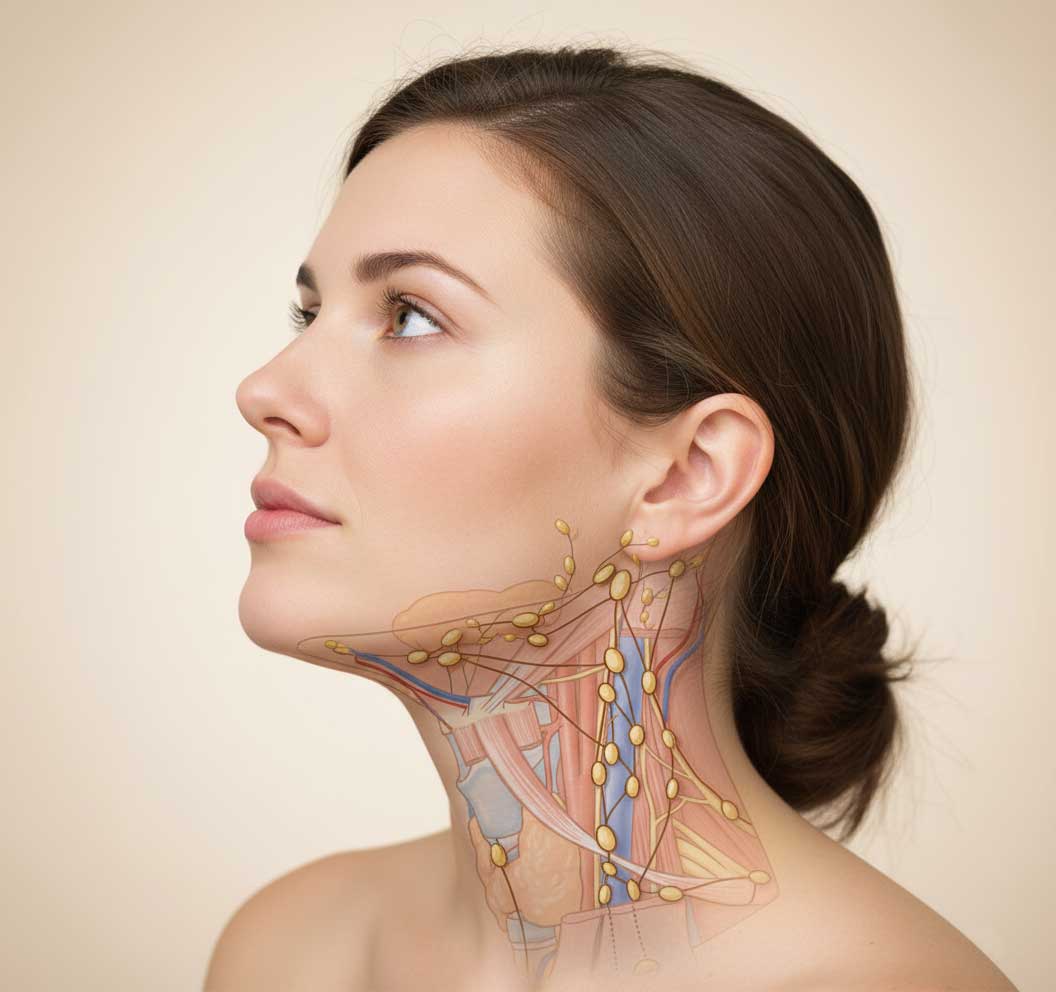
When lymph nodes swell, they typically feel like tender, painful lumps. You can often feel them in specific areas of your body where they are concentrated, such as:
- In your neck
- Under your chin
- In your armpits
- In your groin
The swelling might be limited to a single gland or affect several nodes. Alongside the swollen nodes, you might also experience other symptoms, which commonly include:
- A sore throat
- A cough
- A high temperature (fever)
- General feelings of being unwell, such as fatigue
In some cases, particularly with more serious underlying conditions, you might notice additional symptoms, often referred to as 'B symptoms', which include:
- Unexplained weight loss (more than 10% of your body weight in 6 months)
- Drenching night sweats
- Unexplained fevers
- Persistent itching without a rash
Sometimes, enlarged nodes can press on nearby structures, leading to local symptoms like a cough or breathlessness if nodes in your chest are affected. While most swollen nodes are painful, those related to certain conditions like lymphoma can sometimes be painless, though rapid growth might still cause discomfort.
Causes
The most frequent reason for swollen lymph nodes is your body fighting an infection. These infections can be either viral or bacterial. Common causes include:
- Common viral illnesses: Such as colds, flu, or other acute viral upper respiratory tract infections.
- Throat infections: Including tonsillitis (inflammation of the tonsils) or other bacterial throat infections.
- Ear infections: Infections within the ear can cause nearby lymph nodes to swell.
- Glandular fever: A viral infection that can cause significant and sometimes prolonged lymph node swelling.
- Dental issues: Problems like dental abscesses can lead to swollen nodes in the neck or under the chin.
- Skin infections: Conditions like cellulitis (a bacterial skin infection) can cause swelling in regional lymph nodes.
The location of the swollen nodes often gives a clue about the source of the infection. For example, nodes in the neck might swell due to a throat infection, while those in the groin could indicate an infection in the leg.
Less commonly, swollen lymph nodes can be a sign of more serious conditions. These include:
- Inflammatory conditions: Where the immune system mistakenly attacks healthy tissues.
- Specific infections: Such as tuberculosis or syphilis.
- Cancers: Rarely, swollen lymph nodes can indicate a type of blood cancer like lymphoma or leukaemia, or the spread of cancer cells from other parts of the body, such as head and neck cancers.
- Other conditions: Such as sarcoidosis, which causes small patches of inflamed tissue to develop in organs.
It's important to remember that while these more serious causes exist, the vast majority of swollen lymph nodes are due to common, benign infections.
Diagnosis and Investigations
If you have swollen lymph nodes, especially if they are persistent or accompanied by other concerning symptoms, your doctor will need to carry out a thorough assessment to understand the cause.
Diagnosis
Your doctor will start by taking a detailed medical history. This will involve asking you about:
- When you first noticed the swelling and if it has changed.
- Any other symptoms you're experiencing, such as fever, night sweats, weight loss, or fatigue (the 'B symptoms').
- Your general health, including any recent illnesses, travel history, or exposure to infections.
- Your smoking and alcohol habits.
- Any pain you feel in the nodes, especially if it's triggered by alcohol.
Following this discussion, your doctor will perform a physical examination. This is a crucial step to assess the swollen nodes and look for other signs. They will carefully feel your neck, under your chin, armpits, and groin to check the size, texture (whether they feel soft, firm, or hard), and mobility of the nodes. They will also examine your ears, nose, throat, and voice box, and check for any enlargement of your spleen (splenomegaly) or liver (hepatomegaly).
Investigations
Depending on what your doctor finds during the history and examination, they may recommend further tests to help pinpoint the cause of your swollen lymph nodes. These investigations can include:
- Blood Tests:
- Full Blood Count (FBC) with blood film: This checks the different types of cells in your blood and can help identify infections or blood disorders.
- Glandular fever screen: To test for the virus that causes glandular fever.
- HIV testing: May be offered if swelling persists for over two weeks without an identified cause.
- Inflammatory markers: Such as C-reactive protein (CRP) or erythrocyte sedimentation rate (ESR), which can indicate inflammation or infection.
- Renal and liver function tests: To check how well your kidneys and liver are working.
- Calcium, LDH (Lactate Dehydrogenase), immunoglobulins, serum protein electrophoresis: These tests can provide more specific information, particularly if a haematological (blood) condition is suspected.
- Serology for specific infections: To look for evidence of infections like tuberculosis or syphilis.
- Imaging Scans:
- Ultrasound scan: This is a very effective way to look at neck lumps and the thyroid gland. It uses sound waves to create images, helping your doctor assess the size, shape, and internal structure of the lymph nodes and identify their cause and origin.
- CT scan (Computed Tomography): This uses X-rays to create detailed cross-sectional images of your body. It's useful for getting a clearer view of bones and soft tissues, especially for problems in the sinuses, jaw, airways, or to investigate head and neck cancers.
- MRI scan (Magnetic Resonance Imaging): This uses strong magnetic fields and radio waves to produce very detailed images of soft tissues, often providing superior contrast compared to CT scans, and it does not involve ionising radiation.
- Chest X-ray (CXR): May be performed to check for any issues in your lungs or chest area.
- Tissue Sampling (Biopsy):
- Fine Needle Aspiration (FNA) or Core Biopsy: If there's concern about the nature of the lump, your doctor might recommend taking a small sample of cells or tissue from the swollen node. This is often guided by ultrasound to ensure accuracy. It's usually performed under local anaesthetic, meaning the area will be numbed. The samples are then sent to a laboratory to be examined under a microscope to determine if the lump is benign (non-cancerous) or malignant (cancerous). Results typically take several days. Minor risks include bruising, bleeding, or inflammation at the biopsy site. Occasionally, the initial sample might not be sufficient, requiring a repeat procedure.
- Open Neck Node Biopsy: In some cases, if FNA or core biopsy results are inconclusive, a small surgical procedure might be needed to remove a whole lymph node for examination.
Management and Treatment
The management and treatment for swollen lymph nodes depend entirely on the underlying cause. In many cases, the swelling will resolve on its own, but sometimes specific interventions are needed.
For the most common causes, such as viral infections, the focus is on supporting your body's natural healing process:
- Rest: Getting plenty of rest helps your body conserve energy to fight off the infection.
- Fluids: Drinking ample fluids is essential to stay hydrated, especially if you have a fever.
- Pain relief: Over-the-counter painkillers like paracetamol or ibuprofen can help manage any pain or tenderness in the swollen nodes and reduce a high temperature.
If a bacterial infection is identified as the cause, your doctor may prescribe a course of antibiotics. It's important to remember that antibiotics are only effective against bacterial infections and will not help with viral illnesses.
If the swollen nodes are due to a more serious underlying condition, such as lymphoma or another type of cancer, the treatment will focus on addressing that specific disease. For example, with lymphoma, the swollen lymph nodes typically reduce in size once treatment for the lymphoma begins. If enlarged nodes are pressing on nerves and causing pain, medication, steroids, or anti-inflammatory drugs might be used to provide relief.
When to seek medical advice:
While most swollen lymph nodes are harmless and resolve quickly, there are times when you should definitely consult a doctor:
- If the glands are getting larger or increasing in size.
- If the swelling hasn't gone down within one week, or certainly after two weeks.
- If the glands feel hard or are fixed in place (immobile) when you touch them.
- If you experience night sweats or a very high temperature alongside the swelling.
- If the swollen nodes appear without any other signs of illness.
- If the swollen nodes are located above or below your collar bone.
- If you have difficulty swallowing or breathing – in this situation, you should seek urgent medical advice by calling NHS 111 or contacting your GP immediately.
In certain situations, particularly if there are 'red flag' features suggesting a more serious condition, your doctor may refer you urgently to a specialist, such as a haematologist (a doctor specialising in blood disorders) or a surgeon. These 'red flag' features include generalised or progressively enlarging lymph nodes (more than 1cm) that persist for over 6 weeks, enlargement of the liver or spleen, or the presence of 'B symptoms' (unexplained weight loss, fevers, night sweats). Other concerning signs that might prompt urgent referral include paleness, extreme tiredness, ongoing infections, easy bruising, or bleeding.
Prevention
Since swollen lymph nodes are primarily a symptom of your body fighting an infection, preventing them largely involves taking steps to reduce your risk of common infections. While it's not always possible to avoid every illness, you can support your immune system and minimise your exposure to pathogens:
- Practice good hygiene: Regularly washing your hands with soap and water, especially after coughing, sneezing, or being in public places, can significantly reduce the spread of viruses and bacteria.
- Stay up-to-date with vaccinations: Ensure you receive recommended vaccinations, such as the flu jab, which can protect you from common viral illnesses.
- Maintain a healthy lifestyle: A balanced diet, regular exercise, and adequate sleep all contribute to a strong immune system, making your body better equipped to fight off infections.
- Avoid close contact with sick individuals: If possible, try to keep a distance from people who are clearly unwell to reduce your risk of catching their infection.
- Manage underlying health conditions: If you have chronic conditions that might weaken your immune system, follow your doctor's advice for managing them effectively.
By taking these general health precautions, you can help reduce the frequency of infections that might otherwise lead to swollen lymph nodes.
Outlook / Prognosis
For most people, swollen lymph nodes are a temporary and benign (harmless) symptom. They typically indicate that your body is successfully fighting an infection and will usually return to their normal size once the underlying illness has cleared. This often happens within one to two weeks. In some cases, particularly after certain viral illnesses like a severe cold or glandular fever, the nodes might remain slightly enlarged for a bit longer, sometimes up to three to six weeks, but they generally do resolve.
If your swollen lymph nodes are due to a more serious condition, such as lymphoma or another type of cancer, the outlook depends on the specific diagnosis and how it is treated. In these situations, the nodes typically reduce in size as a result of the specific medical treatment for the underlying disease. For instance, if lymphoma is diagnosed, the swollen nodes usually shrink with lymphoma treatment. If enlarged nodes cause discomfort by pressing on nerves, this often improves with appropriate pain management or treatment of the primary condition.
An uncommon type of swelling called lymphoedema, which can affect the limbs, also generally improves with treatment for the underlying cause. It is important to note that persistent or concerning features of swollen lymph nodes, such as those that are enlarging, feel hard, are immobile, or are accompanied by other worrying symptoms like unexplained weight loss or night sweats, warrant thorough medical evaluation. Missing a serious underlying cause could lead to delayed treatment, which might affect the long-term outcome. Therefore, always follow your doctor's advice regarding monitoring or further investigations for any persistent or unusual swelling.
Need Expert Advice?
Book a consultation with Mr Ahmad Hariri to discuss your symptoms and treatment options.
Book a Consultation