
TMJ Dysfunction

Disclaimer: Disclaimer: This leaflet provides general information and is intended for educational purposes only. It should not be used as a substitute for professional medical advice, diagnosis, or treatment. Always seek the advice of a qualified healthcare professional for any health concerns or before making any decisions related to your health or treatment.
This leaflet may contain links to external websites or resources (e.g. YouTube) for demonstration purposes; however, these links are provided for information only. Clinicol.co.uk is not affiliated with, does not endorse, and is not responsible for the content, accuracy, or copyright compliance of these external sources. Use of these external links is at your own discretion and risk.
Overview
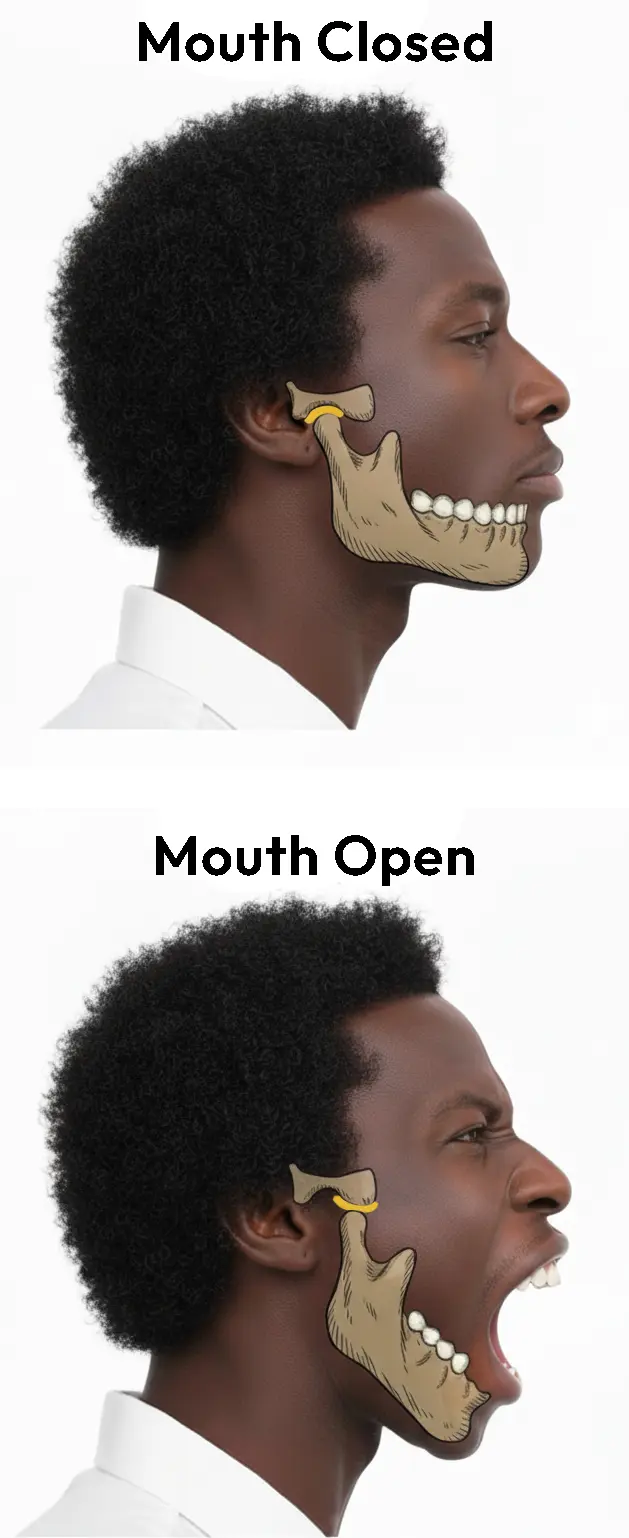
The temporomandibular joint, often called the TMJ, is the joint that connects your lower jaw to your skull. You have one on each side, located just in front of your ears. These joints are like hinges, allowing you to open and close your mouth and move your jaw from side to side. They're essential for everyday activities like talking, chewing, and
yawning.
TMJ dysfunction, also known as TMD, refers to a group of conditions that affect the temporomandibular joint and the muscles that control jaw movement. This can lead to pain, discomfort, and difficulty in using your jaw properly. It's a fairly common problem, and many people experience it at some point in their lives.
The structure of the TMJ is quite unique. It's not just a simple hinge; it also allows for a gliding motion. The joint contains a small disc made of cartilage, which acts like a cushion between the bones, allowing smooth movement. The muscles around the joint are responsible for controlling its movement and can sometimes become tense or strained, contributing to TMJ dysfunction.
Symptoms and Causes
TMJ dysfunction can manifest in various ways, and the symptoms can range from mild discomfort to more severe pain. Here are some of the common symptoms:
- Pain: This is often felt in the jaw joint itself, but it can also radiate to the face, neck, ear, or temple area. The pain may be a dull ache or a sharp, shooting pain.
- Jaw Joint Noises: Clicking, popping, or grating sounds when opening or closing the mouth. These noises aren't always a cause for concern, but they can sometimes be a sign of an issue within the joint.
- Limited Jaw Movement: Difficulty opening the mouth wide or a feeling of the jaw getting stuck or locked.
- Earache: Pain or discomfort in the ear, which can sometimes be mistaken for an ear infection.
- Headache: Tension-type headaches that may be related to muscle tension in the jaw and surrounding area.
- Jaw Locking: In some cases, the jaw may become locked in an open or closed position, making it difficult to move.
- Pain on chewing.
Causes of TMJ Dysfunction:
TMJ dysfunction can be caused by a variety of factors, and it's often a combination of things rather than a single cause. Here are some of the common contributing factors:
- Teeth Grinding or Clenching (Bruxism): Many people grind or clench their teeth, often during sleep, without even realising it. This can put extra strain on the TMJ and surrounding muscles.
- Stress and Anxiety: Stress can lead to increased muscle tension, including in the jaw muscles. This can contribute to TMJ dysfunction.
- Injury to the Jaw: A blow to the face or jaw can damage the TMJ or surrounding structures, leading to dysfunction.
- Arthritis: Osteoarthritis or rheumatoid arthritis can affect the TMJ, causing inflammation and pain.
- Disc Problems: The cartilage disc within the joint can become displaced or damaged, leading to clicking, popping, or locking.
- Poor Posture: Poor posture, especially when sitting at a computer for long periods, can strain the neck and jaw muscles.
- Dental Problems: An uneven bite or missing teeth can sometimes contribute to TMJ dysfunction.
- Overuse: Activities like excessive chewing gum or nail-biting can also strain the jaw muscles.
- Jaw Joint Hypermobility: Increased flexibility or looseness in the jaw joints can result in instability and dysfunction.
- Muscle Tension: Tightness or spasms in the muscles around the jaw, which can be caused by stress, overuse, or other factors.
- Disc Displacement: The cartilage disc within the joint can become displaced, leading to clicking, popping, or locking of the jaw.
- Degenerative Joint Disease: Conditions like osteoarthritis can affect the TMJ, causing wear and tear of the joint surfaces.
- Inflammatory Joint Diseases: Rheumatoid arthritis, psoriatic arthritis, and other inflammatory conditions can cause inflammation in the TMJ.
- Trauma: A direct injury to the jaw, such as a fracture or dislocation, can lead to TMJ dysfunction.
- Infection: Rarely, infections can affect the TMJ, causing inflammation and pain.
Diagnosis and Investigations
If you're experiencing symptoms of TMJ dysfunction, it's a good idea to see your dentist or GP. They'll be able to assess your jaw and determine the likely cause of your symptoms. Here's what you can expect during the diagnostic process:
1. Medical History and Physical Examination:
- Your dentist or doctor will start by asking about your symptoms, including when they started, what makes them better or worse, and any other relevant medical history.
- They'll then examine your jaw, feeling the muscles and joint as you open and close your mouth. They'll also check your bite and look for any signs of inflammation or tenderness.
2. Imaging Tests:
- X-rays: These can help to rule out any problems with the bones of your jaw, such as fractures or arthritis.
- MRI Scan: This provides a more detailed image of the soft tissues around the TMJ, including the muscles and cartilage disc. It can help to identify any inflammation, disc displacement, or other abnormalities.
- CT Scan: This can be used to create detailed images of the bones of the jaw and can be helpful in certain cases.
3. Other Tests:
- Blood Tests: These may be done to check for signs of inflammation or to rule out other conditions, such as rheumatoid arthritis.
- Arthroscopy: In some cases, a small camera may be inserted into the joint to get a closer look at the structures inside. This is usually done under general anaesthesia.
4. Specialist Referral:
If your symptoms are complex or don't improve with initial treatment, you may be referred to a specialist, such as a maxillofacial surgeon, ENT surgeon or an oral medicine specialist. They have expertise in diagnosing and treating TMJ disorders and can offer further investigations or treatment options if needed.
Management and Treatment
The good news is that most cases of TMJ dysfunction can be managed effectively with conservative treatments. The goal of treatment is to relieve pain, improve jaw function, and address any underlying causes. Here's a breakdown of the common approaches:
1. Self-Care Measures:
- Resting the Jaw: Avoid activities that aggravate your symptoms, such as chewing gum, eating hard or chewy foods, and opening your mouth wide.
- Soft Food Diet: Stick to soft foods that require minimal chewing, such as soups, mashed potatoes, and scrambled eggs.
- Heat or Cold Therapy: Applying a warm compress or an ice pack to the affected area can help to reduce pain and inflammation.
- Jaw Exercises: Specific exercises can help to relax the jaw muscles, improve range of motion, and strengthen the muscles that support the TMJ. Your dentist or a physiotherapist can guide you on appropriate exercises.
- Posture Correction: Maintaining good posture, especially when sitting at a computer, can help to reduce strain on the neck and jaw muscles.
- Stress Management: Techniques like relaxation exercises, deep breathing, or yoga can help to reduce stress and muscle tension.
2. Medications:
- Pain Relievers:
Over-the-counter (OTC) options:
- Paracetamol: A common pain reliever that can help with mild to moderate pain. It's available without a prescription and is generally well-tolerated.
- Ibuprofen: A non-steroidal anti-inflammatory drug (NSAID) that can reduce both pain and inflammation. It's available over-the-counter in lower doses and by prescription in higher doses. Take with or after food. It should be avoided if you have stomach problems (e.g. an ulcer or indigestion), asthma, kidney problems or heart failure.
Prescription options:
- Naproxen: Another NSAID that's stronger than ibuprofen and can be prescribed for more severe pain. Take with or after food. It should be avoided if you have stomach problems (e.g. an ulcer or indigestion), asthma, kidney problems or heart failure.
- Codeine: An opioid pain reliever that can be used for short-term relief of moderate to severe pain. It's often combined with paracetamol. It can be taken up to four times per day. Prolonged use should be avoided.
- Muscle Relaxants/Diazepam: This medication can help to relax tense jaw muscles, especially if muscle spasms are contributing to your pain. It's usually prescribed for short-term use only (2 to 3 times per day for a maximum of a week) due to the risk of dependence.
Other Medications:
- Amitriptyline: This is a tricyclic antidepressant that can be helpful for chronic pain conditions, including TMJ dysfunction. It's usually taken at night and can also help with sleep problems. A low dose is prescribed initially and can be increased gradually if required.
3. Other Therapies:
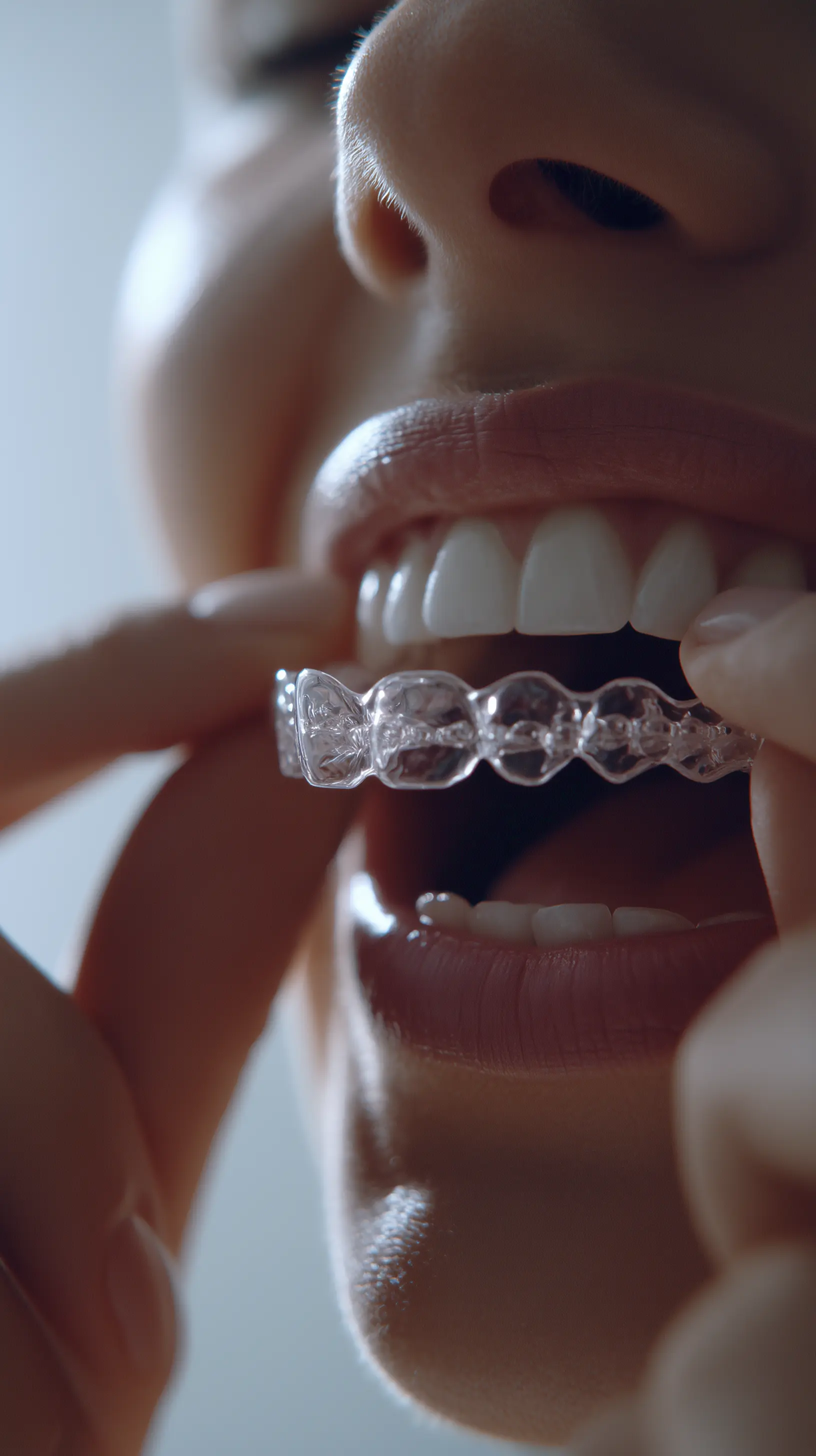
- Splints or Mouthguards: These are custom-made devices that fit over your teeth and can help to reduce teeth grinding or clenching, reposition the jaw, and relieve pressure on the TMJ. They are often worn at night.
- Physiotherapy: A physiotherapist can teach you exercises to strengthen and relax your jaw muscles, improve your posture, and address any muscle imbalances.
- Acupuncture: Some people find that acupuncture can help to relieve pain and improve jaw function.
- Hypnotherapy: This helps Temporomandibular Joint (TMJ) disorders by using deep relaxation to reduce stress, anxiety, and unconscious teeth clenching/grinding (bruxism), which are common causes of TMJ pain, headaches, and jaw tension.
- Cognitive Behavioural Therapy (CBT): This type of talking therapy can be helpful if stress or anxiety is contributing to your TMJ dysfunction.
4. Injections:
- Corticosteroid Injections: In some cases, a corticosteroid injection into the TMJ can help to reduce inflammation and pain. This is usually reserved for cases where other treatments haven't been successful.
- Botulinum Toxin (Botox) Injections: Botox injections can be used to relax the jaw muscles, especially if muscle overactivity is a major contributing factor. However, the evidence for its effectiveness is mixed.
5. Surgery:
Surgery is rarely needed for TMJ dysfunction and is usually considered only as a last resort when all other treatments have failed
Prevention
While you can't always prevent TMJ dysfunction, there are steps you can take to reduce your risk:
- Manage Stress: Practice stress-reducing techniques like exercise, yoga, meditation, or deep breathing.
- Be Aware of Teeth Grinding/Clenching: If you think you might be grinding or clenching your teeth at night, talk to your dentist. They may recommend a mouthguard.
- Maintain Good Posture: Pay attention to your posture, especially when sitting at a computer or using your phone.
- Avoid Overusing Your Jaw: Limit chewing gum, nail-biting, and other habits that can strain your jaw muscles.
- Eat a Balanced Diet: Ensure you're getting enough vitamins and minerals, which are essential for healthy joints and muscles.
- Regular Dental Check-ups: See your dentist regularly for check-ups and cleanings. They can identify and address any dental problems that might contribute to TMJ dysfunction.
- Gentle Jaw Stretches: Incorporate gentle jaw stretches into your daily routine to keep the muscles flexible and relaxed.
Outlook/Prognosis
The outlook for people with TMJ dysfunction is generally good. Most people find relief with conservative treatments, and the symptoms often improve over time. It's important to be patient and consistent with your treatment plan.
- Improvement with Conservative Treatment: The majority of individuals with TMJ dysfunction experience significant improvement with self-care measures, medications, and other non-surgical therapies.
- Long-Term Management: Some people may need to continue with certain self-care measures, such as jaw exercises or stress management techniques, to prevent the recurrence of symptoms.
- Recurrence: While symptoms often improve, they can sometimes come back. If this happens, it's important to revisit your treatment plan and consider any potential triggers.
- Rare Need for Surgery: Surgery is rarely needed for TMJ dysfunction and is usually considered only when all other treatments have failed.
- Chronic Pain: In a small number of cases, TMJ dysfunction can lead to chronic pain. If this happens, it's important to work with your doctor or a specialist to develop a pain management plan.
It's essential to remember that everyone is different, and the recovery time and long-term outlook can vary depending on the individual and the severity of their condition. Regular communication with your dentist or doctor is crucial for monitoring your progress and adjusting your treatment plan as needed.
Need Expert Advice?
Book a consultation with Mr Ahmad Hariri to discuss your symptoms and treatment options.
Book a Consultation