
Vestibular Migraine

Disclaimer: Disclaimer: This leaflet provides general information and is intended for educational purposes only. It should not be used as a substitute for professional medical advice, diagnosis, or treatment. Always seek the advice of a qualified healthcare professional for any health concerns or before making any decisions related to your health or treatment.
This leaflet may contain links to external websites or resources (e.g. YouTube) for demonstration purposes; however, these links are provided for information only. Clinicol.co.uk is not affiliated with, does not endorse, and is not responsible for the content, accuracy, or copyright compliance of these external sources. Use of these external links is at your own discretion and risk.
Overview
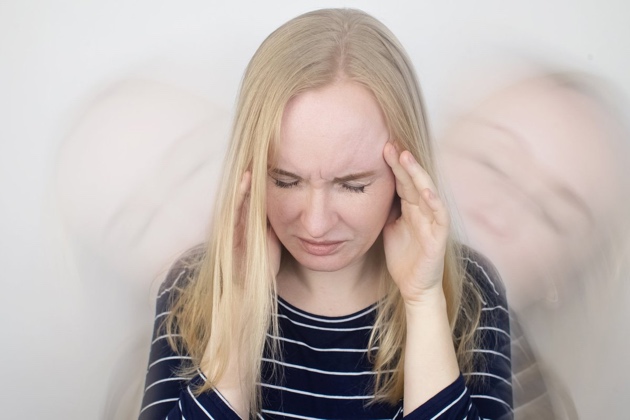
Vestibular migraine, sometimes referred to as migrainous vertigo, is a type of migraine that primarily causes dizziness and balance problems. Unlike regular migraines, which are known for intense headaches, the main symptom of a vestibular migraine is dizziness or vertigo (the sensation that you or your surroundings are spinning or moving). It's thought that about 40% of people who experience migraines also have issues with dizziness or balance at some point. These symptoms can occur before, during, after, or even independently of a headache.
Symptoms and Causes
Symptoms
The symptoms of vestibular migraine can vary from person to person and may include:
- Dizziness or Vertigo: This is the most common symptom and can feel like spinning, swaying, or a sense of imbalance. You might feel as though the room is moving around you, even though you know it’s not.
- Balance Problems: Feeling unsteady on your feet or having difficulty walking straight.
- Nausea and Vomiting: Feeling sick and actually throwing up may occur during an attack.
- Sensitivity to Light and Sound: Experiencing discomfort or increased symptoms in bright or loud environments.
- Visual Disturbances: Blurred vision, seeing flashing lights, or other visual changes.
- Headache: While not always present, a headache may accompany the dizziness. It can be mild to severe and can occur before, during, or after the dizziness attack.
- Tinnitus: Hearing ringing, buzzing, or other sounds in your ears.
- Hearing Loss or a Feeling of Fullness: You might experience reduced hearing or feel like your ear is blocked.
- Aura: Sometimes, before the dizziness starts, you might have an aura which can present as pressure in your head, vision changes, or sensory sensitivity.
The length of these symptoms can vary, ranging from a few minutes to several hours and sometimes up to 72 hours. You might feel tired for a couple of days following an attack, but the symptoms usually become milder as time goes on.
Causes
The exact cause of vestibular migraines isn't fully understood. However, there are several factors thought to contribute:
- Changes in Brain Chemicals: It’s believed that an abnormal release of certain chemicals in the brain, along with changes in blood flow, may be a factor.
- Migraine Triggers: Those who have migraines may be more sensitive to certain triggers, such as stress, tiredness, or dietary factors.
- Genetics: Migraines may run in families, suggesting a genetic link.
- Hormones: Hormonal changes, especially in women, can trigger migraines.
- Stress: Anxiety and stress are closely associated with migraines.
Common triggers of migraines:
Category | Triggers |
Physical & Emotional | Stress or anxiety, Tiredness, lack of sleep or irregular sleep, Hormonal changes, Eye strain, Dental problems (like teeth grinding), Tension in the neck or shoulders |
Dietary | Lack of food or irregular meals, Dehydration, Alcohol, Caffeine, Certain foods (e.g., chocolate, aged cheese, citrus fruits), Food additives (e.g., MSG, aspartame, tyramine, or nitrates) |
Environmental | Bright lights, glare and flicker, Loud noises, Strong smells, Smoky environments or smoking |
Other Triggers | Weather changes and changes in barometric pressure, Menstruation |
It's worth noting that some sleeping tablets can also trigger a migraine. Keeping a diary may be helpful to pinpoint your individual triggers.
Diagnosis and Investigations
There isn’t one single test to diagnose vestibular migraine. Instead, diagnosis relies on a combination of your symptoms and a medical examination by your doctor.
Your doctor will ask you about your symptoms in detail and might ask you to keep a symptom diary. This diary helps in tracking when your symptoms occur, what they feel like, and what might have triggered them.
In some cases, your doctor may recommend further tests to rule out other conditions that can cause similar symptoms. These tests could include balance tests, hearing tests, and sometimes brain scans (like an MRI).
Management and Treatment
Managing vestibular migraine usually involves a combination of lifestyle changes, medication, and sometimes vestibular rehabilitation exercises.
Medication
Medication is an important part of managing vestibular migraine and can be used to prevent attacks or to treat them when they occur.
Medications to prevent attacks
Your doctor might prescribe certain medications to help prevent migraines from occurring in the first place. These medications often need to be taken regularly, even when you don't have any symptoms and include:
- Antidepressants: Such as amitriptyline – this is a prescription only medicine. It is usually taken once daily at bedtime.
- Beta-blockers: For example, propranolol – this is a prescription only medicine. The dose and when to take it depends on what you are being treated for.
- Anti-epileptic medications: Some anti-epileptic drugs can help prevent migraines. These are prescription only medications.
- Calcium Channel Blockers: There are different types of calcium channel blockers and they are all prescription only medicines.
Medications to treat an attack
If you get a migraine attack, there are medications that can help relieve your symptoms:
- Over-the-counter pain relief: You can use medications like paracetamol, aspirin, or ibuprofen which you can buy at your local pharmacy or supermarket without a prescription to ease the pain.
- Triptans: If over-the-counter pain relief is not enough, your doctor may prescribe triptans such as sumatriptan. Triptans are prescription only medications and are usually most effective if taken early during a migraine attack.
- Anti-sickness medication: Your doctor may prescribe medication such as prochlorperazine or metoclopramide to help with nausea and vomiting. This is a prescription only medicine. These medications can also help your body to absorb pain relief medications more quickly.
Important Note: It’s important to avoid taking pain relief medications too frequently (more than two days per week) as this may sometimes cause medication overuse headaches. You should only use prescription medication as advised by your GP or specialist.
Vitamin Supplements
Some supplements, in high doses, have also been found to help reduce the frequency of migraines and may be recommended by your doctor:
- Magnesium citrate: 400mg once a day - this is available over the counter, however, it can sometimes cause diarrhoea.
- Riboflavin (Vitamin B2): 400mg once a day - this is available over the counter but can infrequently cause diarrhoea, excess urination and stain your urine a bright yellow colour.
- Coenzyme Q10: 150mg once a day - this is also available over the counter, but very infrequently it can cause an upset tummy and burning sensations in your mouth. It is usually recommended to take these supplements for 3-4 months whilst keeping a diary to see if they are helpful. If you experience side effects, you should reduce the dose by half and increase it over a 2 week period until you are taking the full dose again.
Vestibular rehabilitation
Vestibular rehabilitation involves a series of exercises to help improve your balance and reduce dizziness. These exercises are designed to help your brain adapt to the changes caused by vestibular migraine. It is often advisable to start medication before starting vestibular rehabilitation as this may allow better tolerance to the exercises.
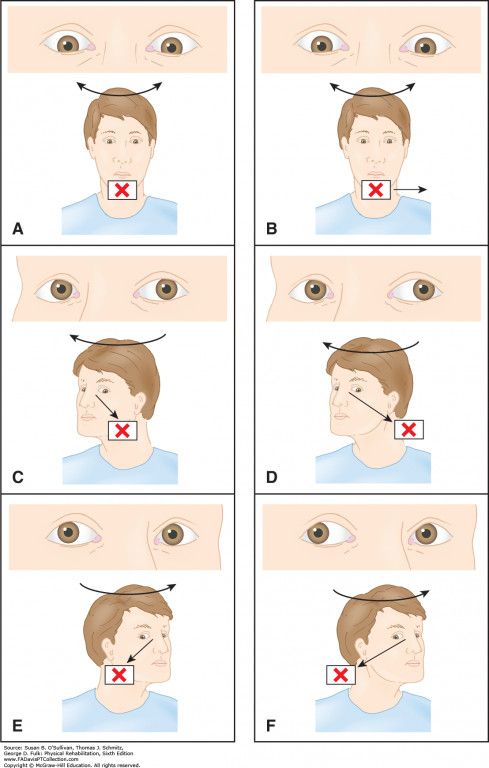
A healthcare professional, such as an audiologist or physiotherapist, will teach you the exercises. They might include:
- Gaze stabilization exercises: Moving your head while focusing on a target.
- Habituation exercises: Repeatedly moving in ways that trigger dizziness to reduce your sensitivity to those movements.
- Balance training exercises: Improving your balance while standing, walking, and changing positions.
You will need to carry out the exercises at home, following your instructions and the exercises should be done regularly every day or several times a week to help manage your symptoms. Start slowly, increasing the intensity and duration as your symptoms improve.
Prevention
Preventing migraines involves identifying your individual triggers and making lifestyle changes to manage them.
- Keep a Symptom Diary: Note what you eat, the activities you undertake, the time of day that an attack occurs, how much you slept and any other pertinent information. This can help you find patterns and work out your triggers.
- Eat Regularly: Avoid skipping meals and keep a regular eating pattern.
- Stay Hydrated: Make sure you drink enough water throughout the day.
- Limit Caffeine and Alcohol: These can trigger migraines in some people.
- Get Enough Sleep: Aim for a regular sleep schedule, and try to get 7-8 hours of sleep per night.
- Manage Stress: Practice relaxation techniques such as meditation, mindfulness, or yoga, and find ways to reduce stress in your life.
- Exercise Regularly: Regular physical activity can help reduce the frequency and severity of migraines.
- Identify and Avoid Triggers: Once you identify your personal triggers, do your best to avoid them.
Outlook/Prognosis
Vestibular migraine is a long-term condition but the frequency and severity of attacks can be controlled with the right management. It is worth bearing in mind that most people only experience some of the symptoms of vestibular migraine and that the symptoms vary from person to person. By working closely with your doctor and adopting a combination of medical and lifestyle approaches, it is possible to lead a full and active life.
Need Expert Advice?
Book a consultation with Mr Ahmad Hariri to discuss your symptoms and treatment options.
Book a Consultation