
Adenoidectomy

Disclaimer: Disclaimer: This leaflet provides general information and is intended for educational purposes only. It should not be used as a substitute for professional medical advice, diagnosis, or treatment. Always seek the advice of a qualified healthcare professional for any health concerns or before making any decisions related to your health or treatment.
This leaflet may contain links to external websites or resources (e.g. YouTube) for demonstration purposes; however, these links are provided for information only. Clinicol.co.uk is not affiliated with, does not endorse, and is not responsible for the content, accuracy, or copyright compliance of these external sources. Use of these external links is at your own discretion and risk.
What is an Adenoidectomy?
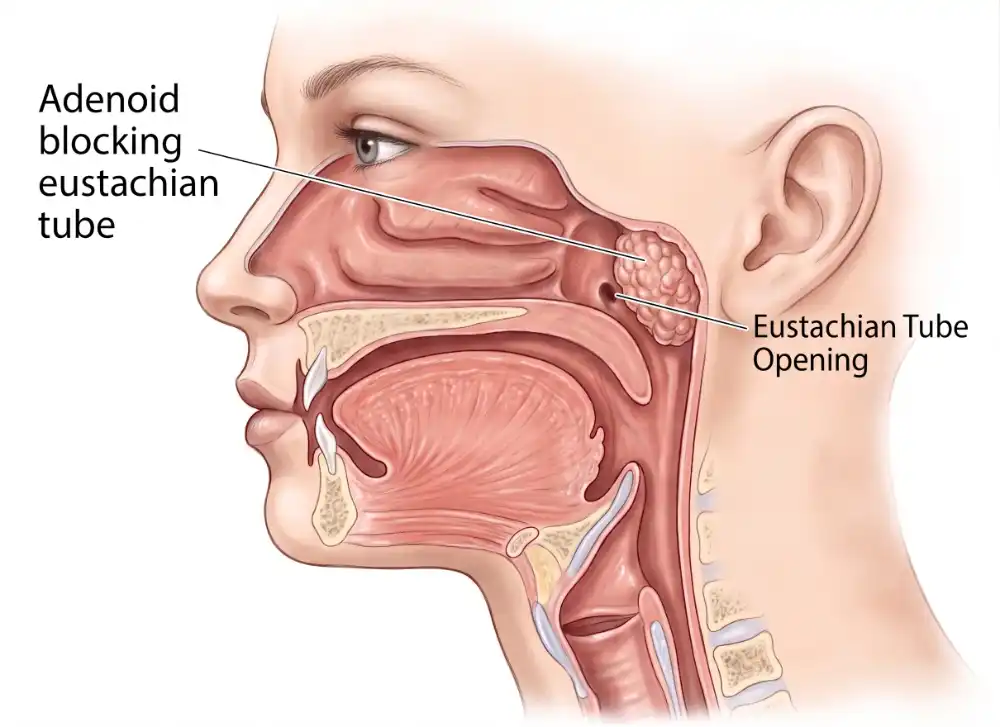
An adenoidectomy is a common surgical procedure, most often performed in children, but occasionally in adults. It involves removing the adenoids, which are small glands located high up at the back of the nose, above the roof of the mouth. These glands are part of the immune system and help to fight off germs, particularly in younger children. However, they are generally not considered essential after about three years of age, as their role in immunity diminishes and other parts of the immune system take over.
Adenoids can sometimes become enlarged, leading to various health issues. The operation is carried out under a general anaesthetic, meaning you or your child will be completely asleep and won't feel any pain during the procedure. The surgeon accesses the adenoids through the mouth, so there are no external cuts or scars. The adenoid tissue can be removed using different techniques, such as careful cutting with a sharp instrument called a curette, or by using special tools that apply heat or radio frequency energy. One common modern technique is called suction diathermy adenoidectomy, which uses an electric current to generate heat, helping to vaporise the adenoids and minimise bleeding. Sometimes, dissolvable stitches may be used to help control any bleeding.
This procedure is often performed as a day case, meaning you or your child can usually go home on the same day as the operation. An adenoidectomy can be carried out on its own, or it may be combined with other procedures, such as removing the tonsils (tonsillectomy), inserting small tubes into the eardrums (grommets), or cauterising the inside of the nose.
Why Might I Need Adenoidectomy?
Adenoidectomy is recommended when enlarged adenoids cause significant health problems that haven't improved with other treatments. While adenoids naturally tend to shrink as children get older, surgery is typically reserved for more severe or chronic cases. Here are the main reasons why this procedure might be considered:
- Difficulty Breathing Through the Nose: Enlarged adenoids can block the nasal passages, making it hard to breathe through the nose. This often leads to mouth breathing, especially at night, and can cause loud snoring or disturbed sleep.
- Obstructive Sleep Apnoea (OSA) or Sleep-Disordered Breathing: In more severe cases, the blockage can cause pauses in breathing during sleep, known as obstructive sleep apnoea. This can significantly affect sleep quality and overall health. Adenoidectomy, often combined with tonsillectomy, is a common treatment for this in children.
- Glue Ear (Otitis Media with Effusion - OME): The adenoids are located close to the Eustachian tubes, which connect the middle ear to the back of the nose. When adenoids are enlarged, they can block these tubes, preventing proper drainage and ventilation of the middle ear. This can lead to a build-up of fluid, known as glue ear, causing hearing problems. While grommets are the primary treatment for glue ear, an adenoidectomy may be considered alongside grommet insertion if there are also persistent and frequent nasal obstruction symptoms, or if grommets need to be re-inserted due to recurrent glue ear. It may help reduce the persistence of glue ear and prevent its recurrence, as well as reduce the frequency of colds and sinus infections.
- Frequent Ear Infections (Recurrent Acute Otitis Media): By affecting the Eustachian tubes, enlarged adenoids can also contribute to recurrent acute ear infections. In these cases, an adenoidectomy might be performed alongside grommet surgery.
- Chronic Rhinosinusitis: This is a long-term inflammation of the nose and sinuses. In children, enlarged adenoids can contribute to this condition, and their removal may help alleviate symptoms.
- Preparation for Speech Surgery: In some specific situations, an adenoidectomy might be performed as part of the preparation for other speech-related surgeries.
Before considering surgery, your doctor will discuss alternative approaches. These might include watchful waiting, as adenoids often shrink with age, or medical treatments such as steroid nasal sprays or drops to help reduce nasal obstruction. Antibiotics are generally not effective for treating enlarged adenoids themselves.
What Happens Before Surgery?
Preparing for an adenoidectomy involves several important steps to ensure the procedure is as safe and smooth as possible. Here’s what you can expect:
Initial Assessment and Pre-operative Check-up
You or your child will have an initial consultation with an ENT specialist to discuss the symptoms and determine if an adenoidectomy is the most suitable treatment. If surgery is recommended, you will typically have a pre-operative check-up approximately two weeks before the scheduled operation. During this appointment, the medical team will:
- Review your or your child's medical history and current health.
- Perform any necessary tests to ensure fitness for general anaesthetic and surgery.
- Discuss the procedure in detail, including the benefits and potential risks, to ensure you fully understand and can provide informed consent.
- Specifically assess for any signs of palate weaknesses, such as a bifid uvula (a split at the end of the soft palate), or any pre-existing speech problems. This is important to help mitigate the rare risk of developing velopharyngeal insufficiency (VPI), which can affect speech and cause nasal regurgitation. If there's a history of cleft palate or a palpable palate abnormality, a full multidisciplinary assessment will be carried out.
It is very important to contact your consultant or the hospital if you or your child develops a cold, cough, or any other illness in the week leading up to the surgery. The operation may need to be postponed to ensure a safe anaesthetic and recovery.
Fasting Instructions
You will receive very specific instructions from the hospital about when to stop eating and drinking before the surgery. These instructions are crucial and must be followed strictly to prevent serious complications during the anaesthetic. Generally:
- You or your child will be advised not to eat any solid food for a specified period (e.g., 6 hours) before the operation.
- Clear fluids (water, clear apple juice) may be allowed for a shorter period (e.g., up to 2 hours) before surgery.
- Milk and chewing gum are considered food and must be avoided according to the food fasting times.
Non-compliance with these fasting instructions can lead to delays or even cancellation of the operation on the day, as it is unsafe to proceed.
Medications
Discuss any regular medications you or your child is taking with the pre-assessment team. You will be advised whether to continue, stop, or adjust any medications before the surgery.
On the Day of Surgery
You will typically be asked to arrive at the hospital on the morning of the surgery. The nursing staff will check you or your child in, confirm all details, and prepare for the procedure. The anaesthetist will also meet with you to discuss the general anaesthetic and answer any questions you may have.
What Happens During Surgery?
On the day of the operation, once you or your child has been prepared, you will be taken to the operating theatre. Here’s a step-by-step guide to what happens during the adenoidectomy:
General Anaesthetic
The procedure is performed under a general anaesthetic. This means you or your child will be completely unconscious and will not feel any pain or remember the operation. The anaesthetist will administer medication, usually through a small injection or by breathing a gas through a mask, to induce sleep. They will monitor vital signs throughout the surgery to ensure safety and comfort.
The Surgical Procedure
Once asleep, the surgeon will begin the operation. The adenoids are located at the very back of the nose, above the soft palate. The surgeon accesses this area through the mouth, so there are no external cuts on the face or neck.
The removal of the adenoids typically takes about 30 to 60 minutes. Several techniques can be used:
- Cold Steel Dissection (Curettage): This traditional method involves using a sharp, spoon-shaped instrument called a curette to carefully scrape away the adenoid tissue.
- Electrocautery or Suction Diathermy: This is a common modern technique. It uses an electric current to generate heat, which helps to vaporise the adenoid tissue and seal blood vessels at the same time, aiming to minimise bleeding. A suction device is often used alongside this to keep the area clear.
- Coblation: This is another technique that uses radiofrequency energy to remove tissue at a lower temperature, which can also help reduce bleeding and discomfort.
The goal of all these techniques is to remove the enlarged adenoid tissue effectively while minimising any damage to surrounding areas. If there is any bleeding, the surgeon will ensure it is controlled, sometimes using dissolvable stitches or cautery.
Combined Procedures
As mentioned, an adenoidectomy is often performed alongside other procedures. For example, if your child also has problems with their tonsils, a tonsillectomy (removal of the tonsils) might be done at the same time. If glue ear is a significant issue, small tubes called grommets may be inserted into the eardrums during the same anaesthetic. Sometimes, nasal cautery (sealing blood vessels in the nose) might also be performed.
After the adenoids have been successfully removed and any bleeding is controlled, the anaesthetic will be gradually reversed, and you or your child will begin to wake up.
What Happens After Surgery?
The recovery process begins immediately after the operation. Here’s what to expect:
Immediately After Surgery (Recovery Room)
Once the surgery is complete, you or your child will be moved to a recovery room. Here, nurses will closely monitor vital signs such as breathing, heart rate, and blood pressure as you or your child wakes up from the anaesthetic. It’s common to feel a bit drowsy, confused, or even slightly sick initially. Pain relief will be given as needed to ensure comfort.
On the Ward (Day of Surgery)
After a period in the recovery room (usually about an hour), you or your child will be moved to the ward. The medical team will continue to monitor progress. For day case surgery, which is common for adenoidectomy, the aim is to discharge patients on the same day. To be discharged, you or your child will need to be:
- Comfortable and alert.
- Able to drink fluids and eat a light meal without significant nausea or vomiting.
- Observed for a minimum of 4 to 6 hours after the procedure to ensure stability and that there are no immediate complications.
Children under three years of age, or those with more significant obstructive sleep apnoea, may have a slightly higher risk of post-operative complications and might require a longer observation period or, in some cases, an overnight stay, though day case surgery is increasingly common and safe for most patients.
Going Home and First Few Days
Before discharge, you will receive detailed instructions on how to care for yourself or your child at home. This will include advice on pain management, diet, and activity restrictions.
- Pain Management: It’s normal to experience some discomfort, which can be managed with regular pain relief. Paracetamol and ibuprofen are usually recommended. It’s very important not to give aspirin to children under 16 years of age unless specifically prescribed by a doctor, as it can increase the risk of bleeding.
- Diet and Fluids: Encourage normal eating as soon as possible, and ensure plenty of fluids are consumed. Staying well-hydrated helps with healing and prevents dehydration.
- Nasal Discharge and Smell: It’s common to have some blood-stained nasal discharge for several days after the operation. If suction diathermy was used, a bad smell from the nose around one week post-op is also common; sometimes, antibiotics may be prescribed for this.
- Nasal Stuffiness and Snoring: The nose may feel stuffy, and snoring might persist for several weeks due to swelling in the area. Gentle nose blowing is permitted after the first few days, but it’s best to avoid blowing the nose completely for the first 10 days.
- Tiredness: General tiredness is common after surgery and anaesthetic. Rest for a few days is important.
Longer-Term Recovery (Weeks Later)
- Activity: It is generally advised to take about one week off school or work. For two weeks after surgery, avoid crowded areas, smoky environments, and contact with non-family members to minimise the risk of infection. Avoid swimming for at least one week.
- Voice Changes: A temporary change in voice, often sounding a little more nasal, is normal and usually resolves within a few weeks as the swelling goes down and the body adjusts.
- Travel: It is advisable to stay local for about 10 days after surgery, in case any unexpected complications arise that require immediate medical attention.
What are the Potential Risks and Complications?
While adenoidectomy is a common and generally safe procedure, like all surgeries, it carries some potential risks and complications. Your medical team will discuss these with you in detail before the operation.
General Risks of Surgery and Anaesthesia
- Anaesthetic Side Effects: Minor side effects from the general anaesthetic can include temporary sickness, nausea, or headache. Serious allergic reactions to anaesthetic are extremely rare.
- Infection: There is a small risk of infection at the surgical site. This is usually managed with antibiotics if it occurs.
Specific Risks of Adenoidectomy
- Bleeding (Haemorrhage): This is the most significant, though rare, complication. Some minor blood-stained discharge from the nose is normal after surgery. However, significant bleeding from the throat or nose, or blood in vomit, is an emergency and requires immediate medical attention. In less than 1% of cases, bleeding may be severe enough to require a second operation to stop it. The overall risk of serious bleeding is considered small.
- Dental Damage: During the procedure, instruments are placed in the mouth. There is a small risk of damage to the teeth, lips, or gums, particularly if teeth are loose or already damaged.
- Temporary Breathing Difficulties: Swelling in the back of the nose and throat after surgery can temporarily make breathing slightly more difficult, especially in patients who had significant obstructive sleep apnoea before the operation.
- Voice Changes: A temporary change in voice, often sounding more nasal (hypernasal speech), is common and usually settles within weeks as the swelling reduces. Very rarely, this change can be persistent and may require speech therapy.
- Velopharyngeal Insufficiency (VPI): This is a rare complication, occurring in about 1% of cases. It happens when the soft palate doesn't close properly against the back of the throat during speech or swallowing. This can lead to hypernasal speech (sounding like air is escaping through the nose while talking), audible nasal air escape, or nasal regurgitation (food or liquid coming up into the nose when swallowing). VPI usually resolves on its own, but sometimes it can be persistent and may require further assessment or speech therapy. The risk is higher in individuals with pre-existing palate abnormalities, which is why a thorough pre-operative assessment is crucial.
- Persistent Symptoms: In some cases, despite the surgery, symptoms such as nasal obstruction or snoring may persist. This could be due to other underlying issues or, rarely, adenoid regrowth.
- Adenoid Regrowth: Although uncommon, adenoid tissue can sometimes grow back after surgery, potentially leading to a return of symptoms.
- Grisel's Syndrome: This is an extremely rare but serious complication, particularly associated with techniques involving heat. It involves damage to surrounding tissues, which can lead to a condition where the top two vertebrae in the neck become dislocated.
Your surgical team will take every precaution to minimise these risks and will discuss any specific concerns you may have.
Long-Term Outlook
The long-term outlook after an adenoidectomy is generally very positive, with most patients experiencing significant improvement in their symptoms.
Expected Recovery Timeline
- First Week: You or your child will likely experience some nasal stuffiness, blood-stained nasal discharge, and general tiredness. A bad smell from the nose is common if suction diathermy was used. Pain should be manageable with regular pain relief.
- First Few Weeks: Nasal stuffiness and snoring may persist for several weeks due to residual swelling, but this gradually improves. Any temporary changes in voice, such as a more nasal sound, usually settle within weeks as the swelling subsides and the body adjusts to the new anatomy.
- Beyond a Month: Most patients will have fully recovered and should experience clearer nasal breathing, reduced snoring, and improved sleep quality. For those with glue ear, the procedure may help reduce its persistence and recurrence.
Long-Term Outcomes
For the majority of patients, adenoidectomy successfully resolves the issues caused by enlarged adenoids. Nasal obstruction, snoring, and sleep apnoea symptoms often improve dramatically. For children with recurrent ear infections or glue ear, the surgery can lead to fewer episodes and better hearing. While adenoid regrowth is uncommon, it can happen, and symptoms may return in such rare instances.
Follow-up Schedule
You will usually have a follow-up appointment with your ENT specialist a few weeks or months after the surgery to check on recovery and assess the long-term outcomes. This is an opportunity to discuss any lingering concerns or persistent symptoms.
When to Seek Urgent Medical Attention
It is crucial to be aware of certain signs that require immediate medical attention. While serious complications are rare, knowing when to act can ensure prompt treatment.
Contact your GP or the hospital immediately if you or your child experiences:
- Severe pain that is not controlled by regular pain relief.
- A high temperature (fever).
- A stiff neck.
- Signs of dehydration (e.g., reduced urine output, dry mouth, lethargy).
Seek immediate emergency care (call 999 or go to your nearest A&E department) if you or your child experiences:
- Any fresh, bright red bleeding from the throat or nose.
- Any blood in vomit.
Your medical team is there to support you throughout the recovery process. Do not hesitate to contact them if you have any concerns.
Ready to Take the Next Step?
Book a consultation with Mr Ahmad Hariri to discuss your specific needs and treatment options.
Book a Consultation