
Inferior Turbinate Reduction

Disclaimer: Disclaimer: This leaflet provides general information and is intended for educational purposes only. It should not be used as a substitute for professional medical advice, diagnosis, or treatment. Always seek the advice of a qualified healthcare professional for any health concerns or before making any decisions related to your health or treatment.
This leaflet may contain links to external websites or resources (e.g. YouTube) for demonstration purposes; however, these links are provided for information only. Clinicol.co.uk is not affiliated with, does not endorse, and is not responsible for the content, accuracy, or copyright compliance of these external sources. Use of these external links is at your own discretion and risk.
This leaflet provides information about inferior turbinate reduction surgery. While your surgeon has recommended this procedure, the final decision to proceed rests with you. This leaflet explains the benefits, risks, and alternatives to help you make an informed choice. Please ask your surgeon or healthcare team if you have any unanswered questions.
What is Inferior Turbinate Reduction?
Inferior turbinate reduction is a surgical procedure to improve airflow in individuals experiencing chronic nasal congestion. The inferior turbinates are small, shelf-like structures made of bone and covered with soft tissue, located on the side walls inside your nasal cavity. There are usually three turbinates on each side (inferior, middle, and superior), and their primary function is to warm, humidify, and cleanse the air you breathe before it reaches your lungs. They naturally swell and shrink in a cycle, but sometimes they can become enlarged, leading to a feeling of nasal obstruction. Inferior turbinate reduction surgery aims to reduce the size of these turbinates, creating more space for airflow.
Why Might I Need Inferior Turbinate Reduction?
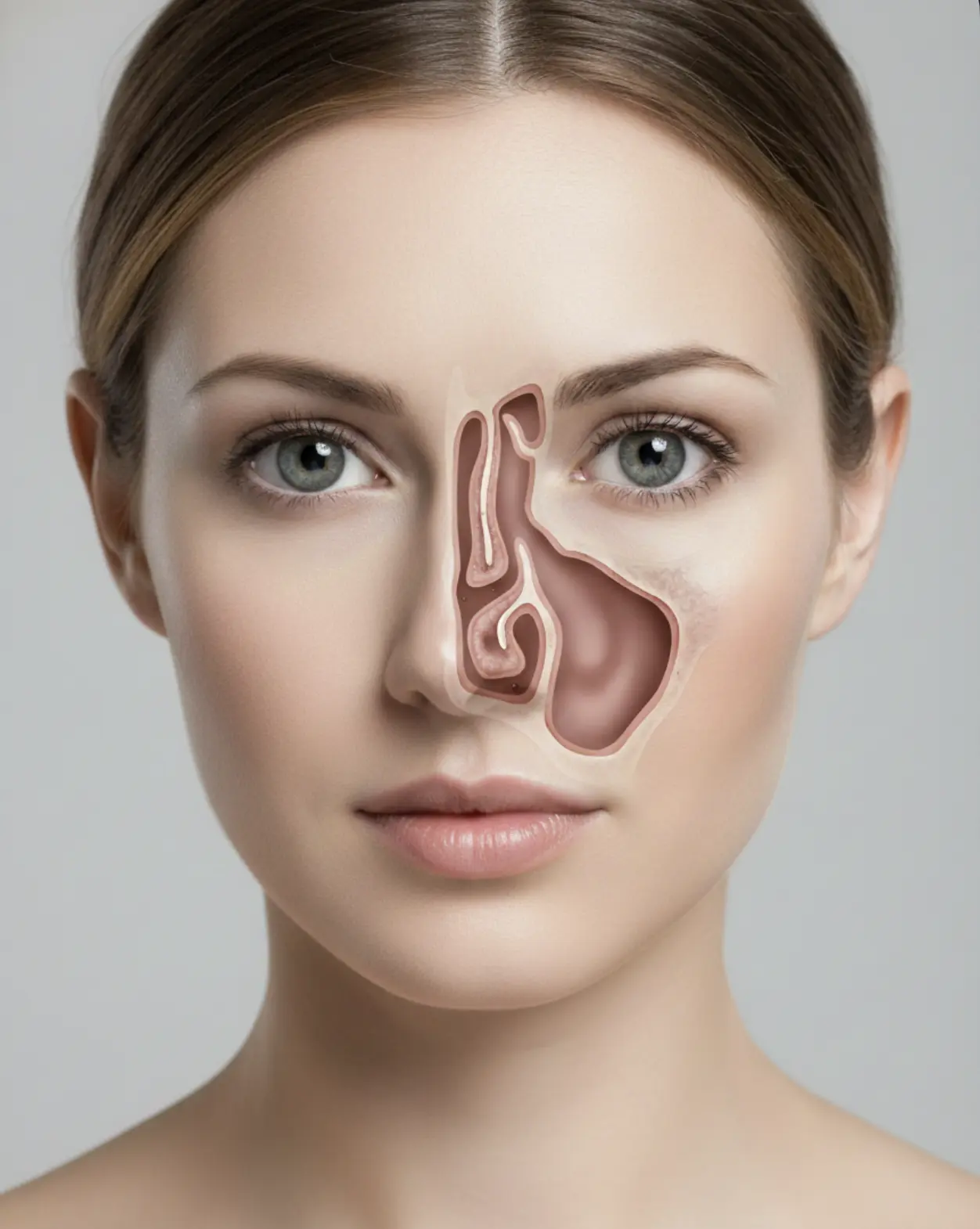
You might need this surgery if you have a persistently blocked nose due to enlarged inferior turbinates, and non-surgical treatments haven't been successful. Enlarged turbinates can result from:
- Allergies: Allergic reactions can cause inflammation and swelling.
- Infections: Nasal or sinus infections can lead to turbinate enlargement.
- Irritants: Exposure to dust, smoke, or other irritants can cause inflammation.
- Hormonal Changes: Hormonal fluctuations can sometimes affect the turbinates.
- Nerve Stimulation
- Other conditions
- Unknown Reasons
Chronic nasal obstruction can lead to several issues, including:
- Difficulty breathing through the nose
- Congestion
- Post-nasal drip
- Sleep apnoea or other breathing disorders during sleep
- Reduced quality of life
What Happens Before Surgery?
- Diagnosis: Your doctor will diagnose enlarged inferior turbinates through a physical examination of your nose, possibly using a nasal endoscope (a thin, flexible tube with a camera).
- Medical Management: Before considering surgery, your doctor will likely recommend non-surgical treatments, such as:
- Steroid nasal sprays or drops: To reduce inflammation.
- Antihistamines: To manage allergy symptoms.
- Saline (saltwater) washes or douching: To clear nasal passages.
- Pre-Assessment: If medical management fails, you'll undergo a pre-assessment to ensure you're fit for surgery. This includes discussing your medical history, current medications (including over-the-counter drugs, supplements, and complementary remedies), and any allergies. It's crucial to inform the team about all medications you take.
- Stop Smoking: If you are a smoker, it is strongly advised to stop smoking before the surgery.
- Maintain a Healthy Weight: Maintain a healthy weight, as overweight individuals have a higher risk of developing complications.
What Happens During Surgery?
Inferior turbinate reduction is typically performed under general anaesthesia (you'll be asleep), although local anaesthesia (numbing the nose) may be used in some cases. The surgery is done entirely inside the nose, so there will be no external scars or bruising. The procedure usually takes about 30 minutes. Several techniques can be used to reduce the size of the turbinates, and your surgeon will discuss the most appropriate method for you. These may include:
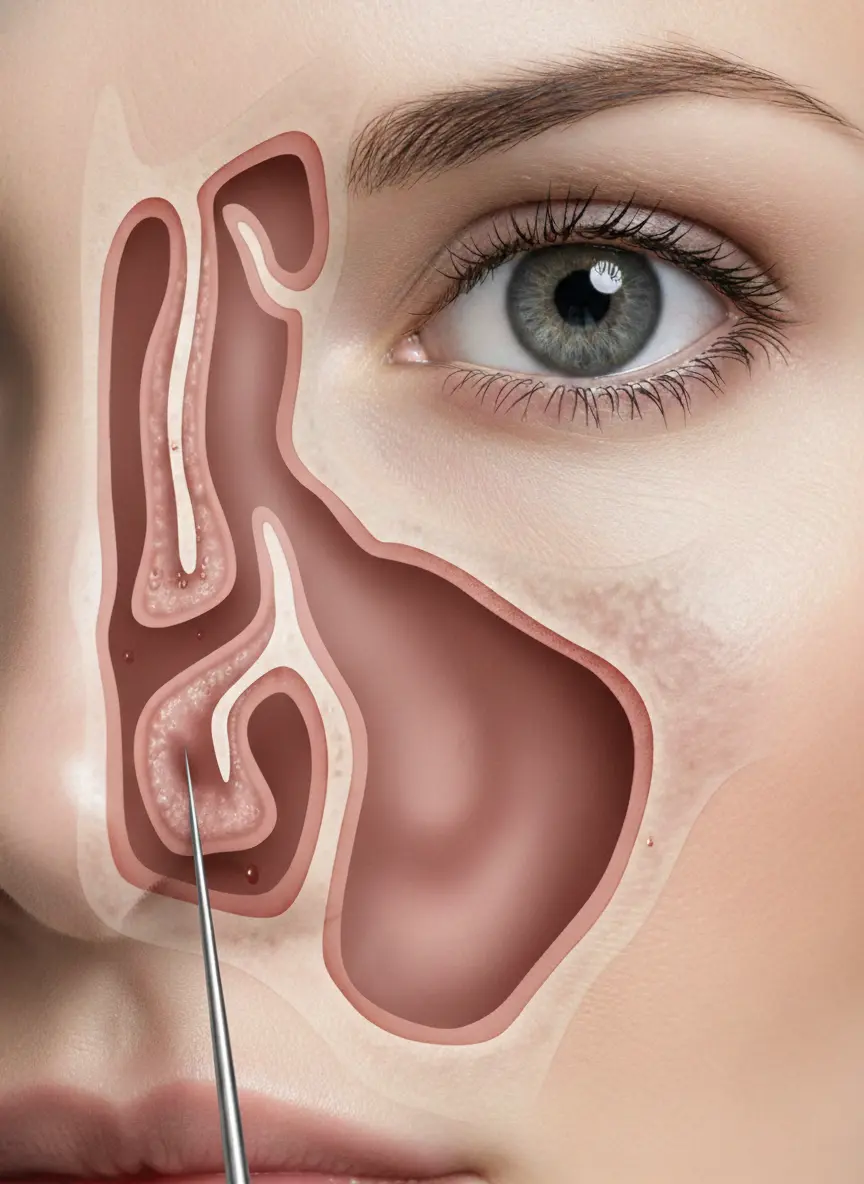
- Cauterization: A heated probe is used to close off some blood vessels in the turbinates, reducing blood flow and causing them to shrink.
- Radiofrequency Turbinate Reduction: A thin probe delivers heat energy to the turbinates, creating scar tissue and shrinking them.
- Coblation: Similar to radiofrequency reduction, but uses a lower temperature to preserve surrounding tissue.
- Microdebrider Submucosal Resection: A small opening is made in the turbinate, and tissue is removed through this opening, leaving the outer lining intact.
- Partial Resection: A small portion of the turbinate (both soft and hard tissue) is removed.
- Laser: Synchronized light waves are used.
In some cases, your surgeon may place packing or dressings inside your nose after the surgery to help with healing.
What Happens After Surgery?
- Immediate Recovery: You'll likely be able to go home the same day if the procedure is done under day case criteria.
- Discomfort: You can expect some pain, fatigue, nasal stuffiness, and mild nasal discharge. Pain can usually be managed with over-the-counter painkillers.
- Nasal Blockage: Your nose may feel blocked, similar to a heavy cold, for 10-14 days, and it may take up to 6 weeks for your breathing to fully clear.
- Blood-Stained Discharge: You may have some blood-stained watery fluid from your nose for about two weeks. This is normal.
- Packing/Splints: If packing or splints were placed in your nose, they would be removed as directed by your surgeon.
- Nasal Care: Your surgeon may prescribe nasal sprays, drops, or saline washes to help with healing and reduce crusting. It's important to follow these instructions carefully.
- Do not blow nose: Do not blow your nose for a week after the surgery.
- Avoid Irritants: Stay away from dusty or smoky environments and anything you're allergic to.
What are the Potential Risks and Complications?
All surgical procedures carry some risk. While turbinate surgery is generally safe, potential complications include:
- Bleeding: Some bleeding is common, but significant bleeding requiring nasal packing is uncommon (about 1 in 100). Rarely, a blood transfusion may be needed.
- Infection: Infections are rare but can occur. Contact your doctor if you experience increasing pain, discharge, or swelling.
- Scar Tissue (Adhesions): Scar tissue can form inside the nose, but it doesn't usually cause problems. In some cases, it may contribute to nasal blockage.
- Nasal Crusting: This is common (about 1 in 3) and can last for weeks. Regular nasal care can help reduce crusting.
- Atrophic Rhinitis: If too much tissue is removed, the nose may not produce enough mucus, leading to crusting and a feeling of blockage despite open airways.
- Damage to Tear Duct: This is rare (about 1 in 200) and can cause watery eyes. It may require another operation to correct.
- Recurrence of Symptoms: The turbinate lining can grow back over time, potentially causing symptoms to return. Continued medication after surgery can help reduce this risk.
- Empty Nose Syndrome: A rare condition where you can't feel the air moving through your nose, leading to a sensation of blockage, dryness, and other symptoms.
- General Anaesthesia Risks: If general anaesthesia is used, there are risks associated with it, such as blood clots, heart attack, stroke, and chest infection. Your anaesthetist will discuss these with you.
- Persistent Symptoms: Some people may need further medical treatment even after surgery.
Long-Term Outlook
The overall success rate of turbinate reduction is approximately 82%. However, it’s important to know that it's possible for the turbinate tissue to grow back especially if you stop taking any medications to control your nasal condition.
Recovery and Returning to Normal Activities
- Rest: You'll need to rest at home for at least 2 days, and possibly a week if your job involves heavy lifting.
- Avoid Strenuous Activity: Avoid hot baths, heavy lifting, straining, and sports for two weeks.
- Driving: Do not drive or operate machinery for at least 24 hours after surgery, or until you feel fully recovered.
- Follow-Up: Your surgical team will advise you on follow-up appointments.
- Full Recovery: Complete recovery can take up to six weeks.
Living with Inferior Turbinate Reduction After the recovery period most patients experience improved nasal breathing. It is important to continue any medical treatment that was prescribed on discharge from the hospital.
Ready to Take the Next Step?
Book a consultation with Mr Ahmad Hariri to discuss your specific needs and treatment options.
Book a Consultation