
Neck Dissection

Disclaimer: Disclaimer: This leaflet provides general information and is intended for educational purposes only. It should not be used as a substitute for professional medical advice, diagnosis, or treatment. Always seek the advice of a qualified healthcare professional for any health concerns or before making any decisions related to your health or treatment.
This leaflet may contain links to external websites or resources (e.g. YouTube) for demonstration purposes; however, these links are provided for information only. Clinicol.co.uk is not affiliated with, does not endorse, and is not responsible for the content, accuracy, or copyright compliance of these external sources. Use of these external links is at your own discretion and risk.
Overview
What is a Neck Dissection?
A neck dissection is a surgical procedure performed to remove lymph nodes in the neck. Lymph nodes are small, bean-shaped glands that are part of the body's immune system. They filter out bacteria, viruses, and other harmful substances. A neck dissection may be performed to diagnose or treat cancer that has spread from a primary site in the head and neck region (such as the mouth, throat, or larynx) to the lymph nodes in the neck. It can also be done for other reasons, such as to remove infected lymph nodes or to treat certain non-cancerous conditions.
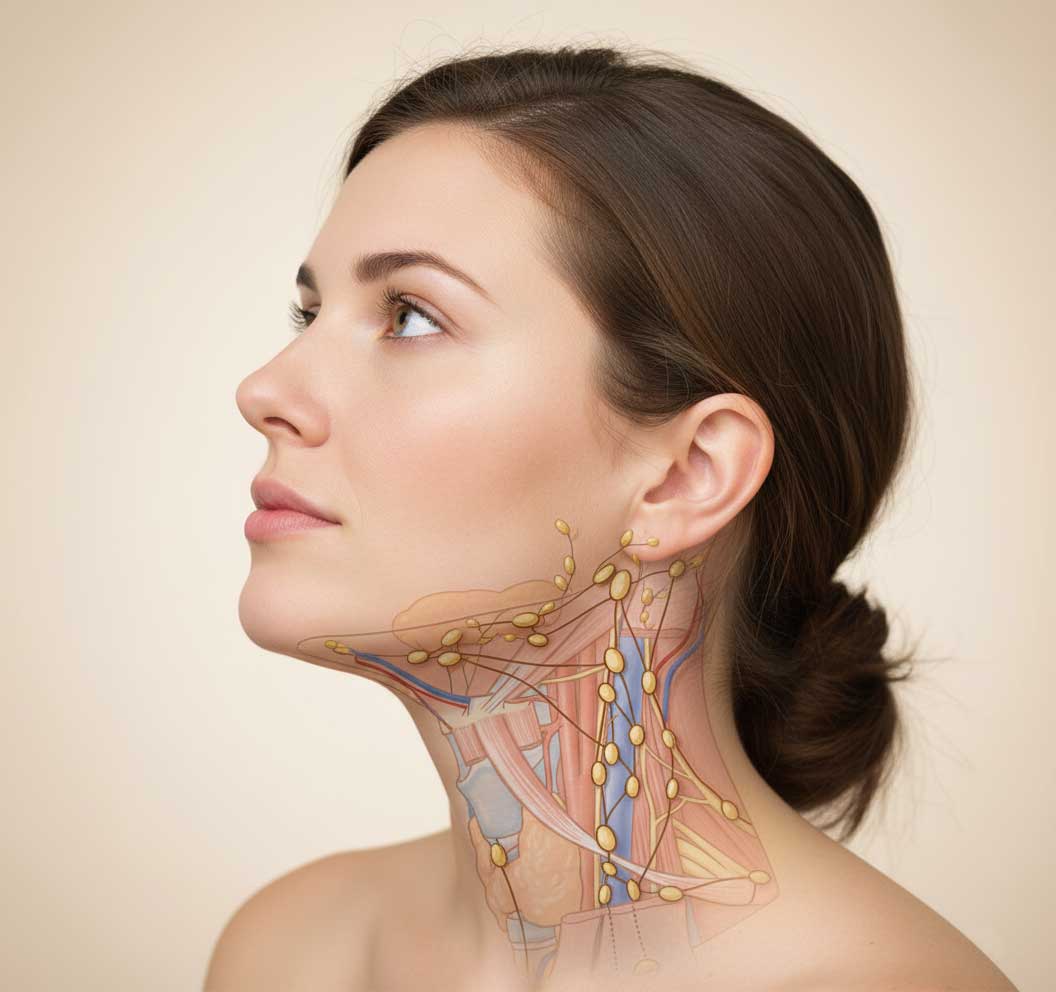
There are several types of neck dissections, ranging from removal of a few select nodes to a more extensive removal of lymph nodes and surrounding tissue. The type of neck dissection performed depends on the extent of the cancer or other condition being treated.
Why Might I Need a Neck Dissection?
The most common reason for a neck dissection is to treat cancer that has spread to the lymph nodes in the
neck. This is often done in conjunction with surgery to remove the primary tumor. A neck dissection may be recommended even if there is no obvious sign of cancer in the lymph nodes, especially if the primary tumor is large or aggressive. This is because microscopic cancer cells can sometimes be present in the lymph nodes even when they appear normal.
Other reasons for a neck dissection may include:
- To diagnose cancer: If a fine needle aspiration biopsy of a lymph node is inconclusive, a neck dissection may be performed to obtain a larger tissue sample for examination under a microscope.
- To remove infected lymph nodes: A neck dissection may be done to remove lymph nodes that are infected or inflamed due to a bacterial or viral infection.
- To treat certain non-cancerous conditions: Rarely, a neck dissection may be done to treat certain non-cancerous conditions, such as a branchial cleft cyst or a thyroglossal duct cyst.
Surgery Details
What Happens Before Surgery?
Before neck dissection surgery, you will undergo a thorough evaluation to assess your overall health and the extent of the cancer or other condition being treated. This evaluation may include:
- Physical exam: Your doctor will examine your neck and head to assess the size and location of any lumps or masses.
- Imaging tests: You may have imaging tests such as a CT scan, MRI scan, or PET scan to get a better view of the lymph nodes and surrounding tissues.
- Biopsy: A biopsy of a lymph node may be performed to confirm the diagnosis of cancer.
- Blood tests: You will have blood tests to check your overall health and to assess your risk for complications during surgery.
You will also meet with the surgical team to discuss the procedure, including the risks and benefits, and to answer any questions you may have. You will be given instructions on how to prepare for surgery, such as what to eat and drink, and what medications to take or avoid.
What Happens During Surgery?
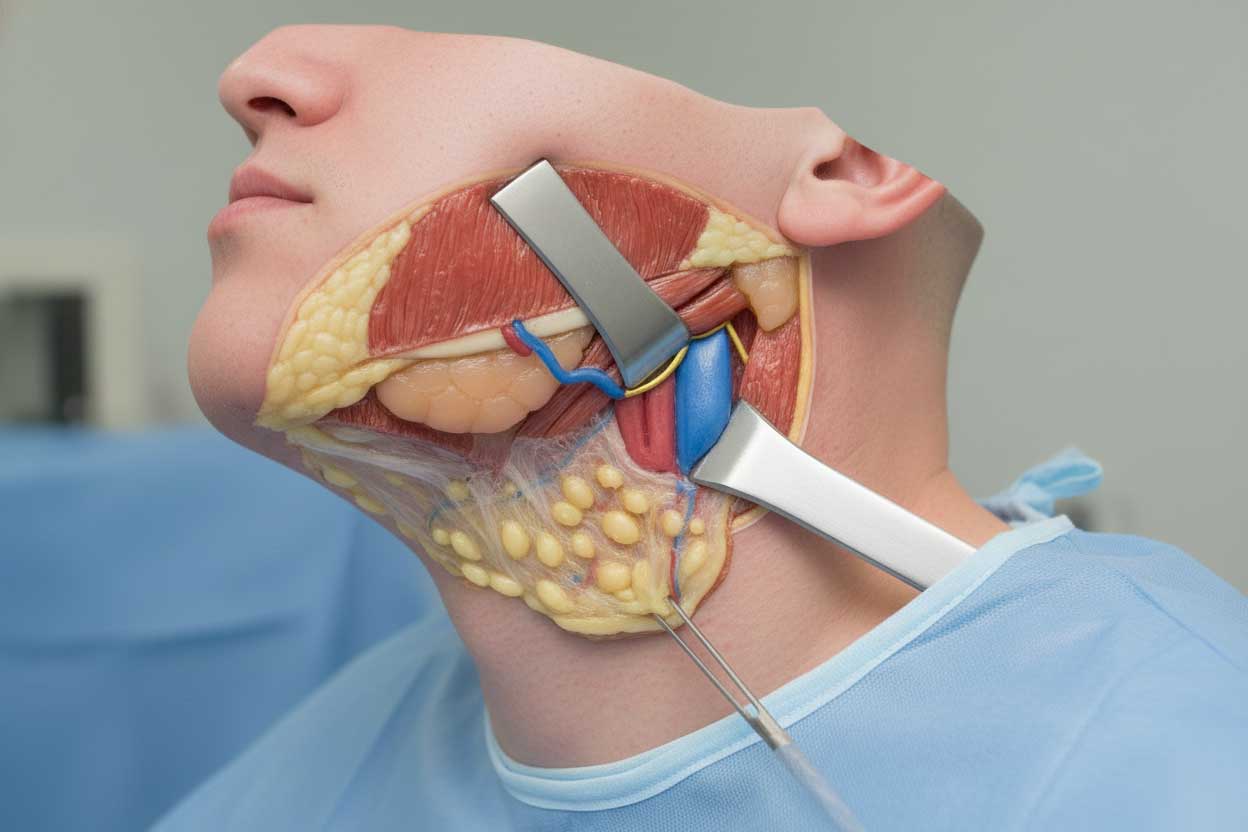
The surgeon will carefully remove the lymph nodes and any surrounding tissue that is affected by the cancer or other condition. The surgeon will also identify and protect important structures in the neck, such as the nerves that control your voice, swallowing, and shoulder movement, as well as the blood vessels that supply your head and neck.
Neck dissection surgery is performed under general anaesthesia, so you will be asleep during the procedure. The surgeon will make an incision in your neck, usually along a skin crease to minimise scarring. The length and location of the incision will depend on the extent of the neck dissection being performed.
After the lymph nodes and surrounding tissue have been removed, the surgeon will close the incision with stitches or staples. A drain may be placed in the wound to remove excess fluid and prevent swelling.
What Happens After Surgery?
After surgery, you will be taken to a recovery room where you will be monitored until you wake up from the anaesthesia. You may have some pain and discomfort in your neck, which can be managed with pain medication. The drain will usually be removed within a few days.
You will be given instructions on how to care for your incision, including how to keep it clean and dry. You will also be advised to avoid strenuous activity for several weeks after surgery.
You will have follow-up appointments with your surgeon to monitor your recovery and to check for any signs of recurrence.
What are the Potential Risks and Complications?
As with any surgery, there are potential risks and complications associated with neck dissection. These may include:
- Bleeding: Bleeding during or after surgery is a possible complication.
- Infection: Infection of the surgical wound is a risk.
- Nerve damage: There is a risk of damage to the nerves that control your voice, swallowing, and shoulder movement. This can result in temporary or permanent hoarseness, difficulty swallowing, or shoulder weakness.
- Numbness: Numbness or tingling in the skin of your neck and ear is common after neck dissection. This is usually temporary but can be permanent in some cases.
- Lymphedema: Lymphedema is swelling in the arm or neck that can occur after lymph nodes are removed.
- Chyle leak: A chyle leak is a rare but serious complication that can occur when the thoracic duct, which carries lymphatic fluid, is damaged during surgery.
- Wound healing problems: Some people may have problems with wound healing, such as delayed healing or wound breakdown.
Your surgical team will discuss these risks with you in more detail before surgery.
Recovery and Following Surgery
Long-Term Outlook
The long-term outlook after neck dissection depends on several factors, including the stage of the cancer, the type of neck dissection performed, and your overall health. For many people, neck dissection is successful in removing the cancer and preventing it from recurring. However, there is always a risk that the cancer may come back, especially if it was advanced at the time of surgery.
Recovery and Returning to Normal Activities
Recovery from neck dissection surgery can take several weeks. You may need to take pain medication for a few days after surgery. You should avoid strenuous activity for several weeks and gradually increase your activity level as you heal.
Most people are able to return to their normal activities within a few months after surgery. However, some people may have long-term side effects, such as numbness or shoulder weakness.
Living with a Neck Dissection
Living with a neck dissection can be challenging, both physically and emotionally. You may have some scarring, numbness, or shoulder weakness. You may also experience lymphedema, which can be a chronic condition.
Ready to Take the Next Step?
Book a consultation with Mr Ahmad Hariri to discuss your specific needs and treatment options.
Book a Consultation