
Tonsillectomy

Disclaimer: Disclaimer: This leaflet provides general information and is intended for educational purposes only. It should not be used as a substitute for professional medical advice, diagnosis, or treatment. Always seek the advice of a qualified healthcare professional for any health concerns or before making any decisions related to your health or treatment.
This leaflet may contain links to external websites or resources (e.g. YouTube) for demonstration purposes; however, these links are provided for information only. Clinicol.co.uk is not affiliated with, does not endorse, and is not responsible for the content, accuracy, or copyright compliance of these external sources. Use of these external links is at your own discretion and risk.
What is a tonsillectomy?
A tonsillectomy is a surgical procedure to remove the tonsils. The tonsils are two small, oval-shaped pads of tissue located at the back of the throat, one on each side. They are part of the lymphatic system, which helps fight infection. However, the tonsils themselves can sometimes become infected or enlarged, leading to various problems.
Why might I need a tonsillectomy?
A tonsillectomy is typically recommended when tonsil problems significantly affect your health or quality of life. The most common reasons for tonsillectomy include:
Recurrent tonsillitis: This refers to frequent episodes of tonsil infection. The generally accepted criteria for
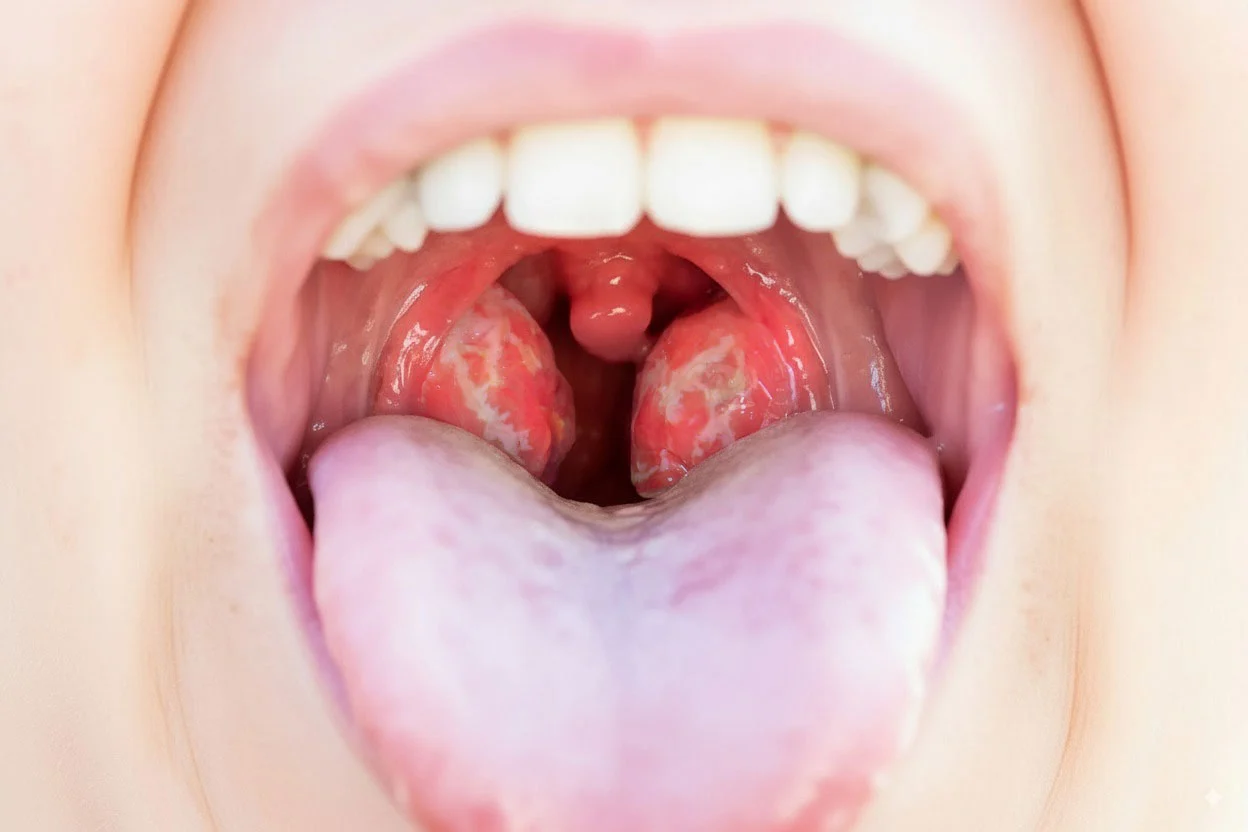
recurrent tonsillitis requiring tonsillectomy are:
- Seven or more episodes in one year
- Five or more episodes per year for two years
- Three or more episodes per year for three years
Chronic tonsillitis: This involves persistent tonsil infection, often with a sore throat, bad breath, and discomfort.
Peritonsillar abscess (quinsy): This is a collection of pus behind the tonsils, requiring drainage and often tonsillectomy to prevent recurrence.
Obstructive sleep apnoea: Enlarged tonsils can obstruct the airway during sleep, leading to snoring, pauses in breathing, and daytime sleepiness.
Suspected tonsil cancer: Although rare, a tonsillectomy may be necessary to diagnose or treat tonsil cancer.
What happens before surgery?
Before your tonsillectomy, you will undergo a pre-operative assessment. This usually involves:
- Medical history review: Your surgeon will ask about your overall health, any medical conditions, medications you take (including over-the-counter drugs and supplements), and any allergies.
- Physical examination: Your surgeon will examine your throat and neck.
- Blood tests: These may be done to check your general health and assess your risk of bleeding.
- Other tests: Depending on your individual circumstances, other tests such as an electrocardiogram (ECG) or chest X-ray might be needed.
You will receive specific instructions regarding fasting before surgery. It's essential to follow these instructions carefully to reduce the risk of complications during anaesthesia.
What happens during surgery?
A tonsillectomy is performed under general anaesthesia, which means you will be asleep and pain-free during the procedure. The surgery is typically performed through the mouth, with no external incisions.
Several techniques can be used to remove the tonsils, including:
- Electrocautery: This uses heat to remove the tonsils.
- Coblation: This uses radiofrequency energy to dissolve the tonsil tissue.
- Ultrasonic scalpel: This uses ultrasonic vibrations to cut and remove the tonsil tissue.
- Cold steel dissection: This is the traditional method of removing the tonsils with surgical instruments.
The specific technique used will depend on your surgeon's preference and your individual circumstances. After the tonsils are removed, any bleeding is controlled, and the area is allowed to heal naturally. A drain is not usually necessary.
What happens after surgery?
After surgery, you will be taken to a recovery area where you will be monitored as you wake up from the anaesthesia. You may experience some soreness in your throat, ears, and jaw, which can be managed with pain medication. You will be given instructions on how to manage your pain at home.
It is crucial to stay well-hydrated after surgery. You will likely be given ice chips or sips of water initially and then progress to a soft food diet as tolerated.
What are the potential risks and complications?
While generally safe, a tonsillectomy does carry some potential risks and complications, including:
- Bleeding: Bleeding is the most common complication after a tonsillectomy. It can occur immediately after surgery or up to two weeks later. While most bleeding is minor, significant bleeding requiring return to the operating room can sometimes occur.
- Infection: Infection at the surgical site is another potential complication, though less common than bleeding.
- Damage to teeth, lips and gums. As the operation is performed through the mouth, there is a small risk of this. Care is taken not to dislodge any loose, capped or crowned teeth, but you should make your surgeon aware if you have any of these.
- Pain: Throat pain is expected after a tonsillectomy and can be quite severe for some individuals. Pain medication can help manage the discomfort.
- Dehydration: Difficulty swallowing after surgery can sometimes lead to dehydration. It's important to take frequent sips of fluids.
- Changes in taste and voice: Temporary changes in taste and voice are possible after surgery, but these usually resolve over time. Rarely, they can be permanent.
- Nerve damage: In rare cases, nerve damage can occur, potentially affecting taste or voice.
- Complications of anaesthesia: As with any surgery requiring general anaesthesia, there are some risks associated with the anaesthetic itself, such as allergic reactions or breathing problems. These are rare.
Long-Term Outlook
After a tonsillectomy, most people experience a significant improvement in their symptoms, particularly if the surgery was done for recurrent or chronic tonsillitis. While it's still possible to get a sore throat, the frequency and severity of infections should be reduced.
Recovery and Returning to Normal Activities
Recovery from a tonsillectomy typically takes about two weeks. During this time, you may experience throat pain, earache, difficulty swallowing, and fatigue. Rest is essential during this period.
You should avoid strenuous activity and contact sports for at least two weeks after surgery. You can gradually resume your normal diet as tolerated, starting with soft foods and avoiding acidic or spicy items.
Most people can return to work or school after two weeks, but this can vary depending on your individual recovery and the type of work you do.
Living With a Tonsillectomy
After your recovery, there are no specific long-term restrictions following a tonsillectomy. You can eat, drink, and exercise normally. However, if you experience any persistent throat pain, difficulty swallowing, or other concerning symptoms, you should consult your doctor.
Remember to practice good oral hygiene to maintain a healthy throat. This includes brushing and flossing your teeth regularly and avoiding mouthwashes containing alcohol, which can irritate the throat.
Ready to Take the Next Step?
Book a consultation with Mr Ahmad Hariri to discuss your specific needs and treatment options.
Book a Consultation