
Balance & Dizziness Exercises

Disclaimer: Disclaimer: This leaflet provides general information and is intended for educational purposes only. It should not be used as a substitute for professional medical advice, diagnosis, or treatment. Always seek the advice of a qualified healthcare professional for any health concerns or before making any decisions related to your health or treatment.
This leaflet may contain links to external websites or resources (e.g. YouTube) for demonstration purposes; however, these links are provided for information only. Clinicol.co.uk is not affiliated with, does not endorse, and is not responsible for the content, accuracy, or copyright compliance of these external sources. Use of these external links is at your own discretion and risk.
Overview
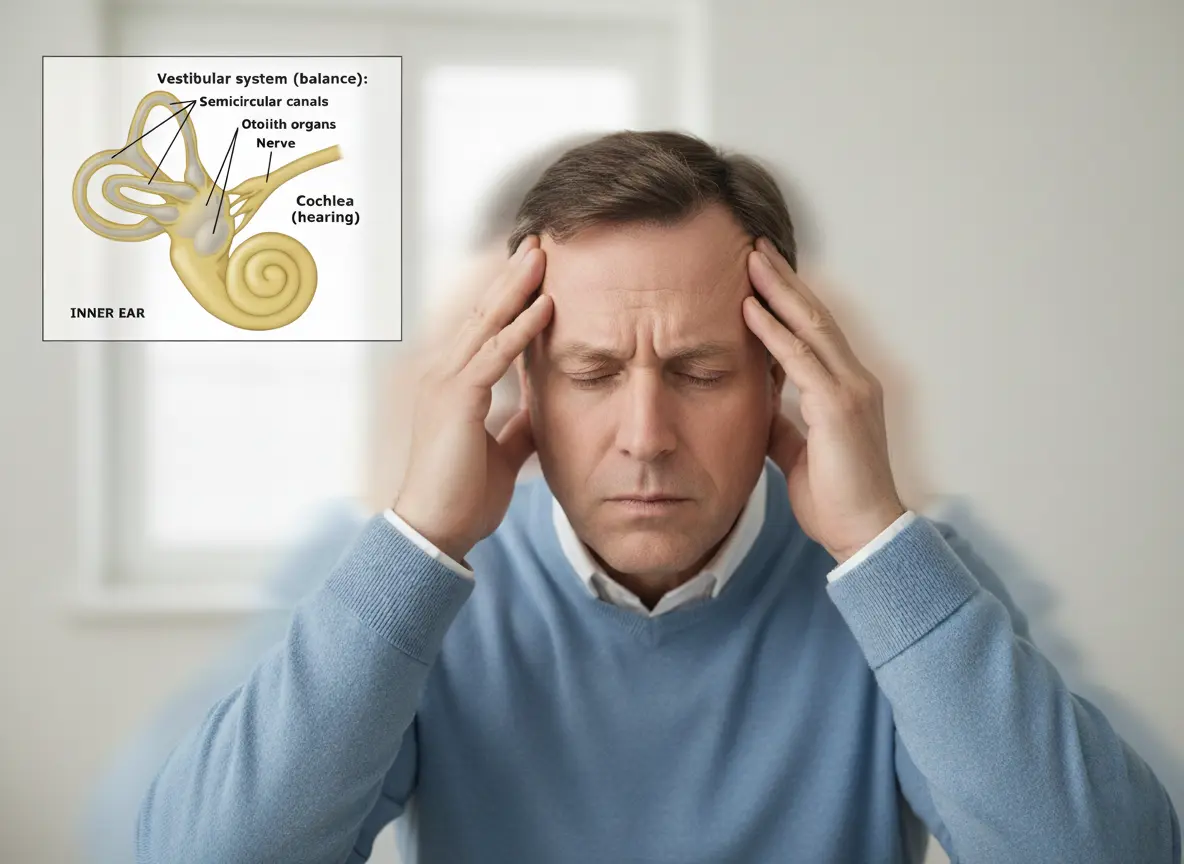
Balance and vestibular rehabilitation exercises are designed to help improve your balance and reduce dizziness.
Your vestibular system, located in your inner ear, is responsible for maintaining balance and spatial orientation. If this system isn't working properly, it can lead to a variety of symptoms like dizziness, vertigo (the sensation of spinning), and unsteadiness. Vestibular rehabilitation therapy (VRT) is a type of physical therapy that helps your brain adapt and compensate for these issues. This leaflet will provide you with general information, an explanation of VRT exercises, and a home exercise programme that you can follow.
Symptoms and Causes
Symptoms of vestibular issues can vary but often include:
- Dizziness: Feeling lightheaded, woozy, or faint.
- Vertigo: The sensation that you or your surroundings are spinning or moving when they are not.
- Imbalance: Feeling unsteady or having difficulty walking straight.
- Nausea and Vomiting: Feeling sick and potentially throwing up.
- Blurred Vision: Difficulty focusing or seeing clearly.
- Sensitivity to Light and Sound: Feeling uncomfortable or experiencing increased symptoms in bright or loud environments.
- Difficulty with everyday activities: Difficulty concentrating or performing normal activities of daily living
These symptoms can be caused by a number of conditions affecting the inner ear, brain or the nervous system and may include:
- Vestibular Neuronitis: A viral infection that affects the vestibular nerve.
- Labyrinthitis: An inflammation of the inner ear.
- Meniere's Disease: A condition that causes vertigo, hearing loss, and tinnitus (ringing in the ears).
- Benign Paroxysmal Positional Vertigo (BPPV): A condition where small calcium crystals become dislodged in the inner ear.
- Migraine: Vestibular migraines can cause similar symptoms to the above.
- Head Injury: Can cause damage to the vestibular system.
- Neurological Conditions: Certain conditions such as Multiple Sclerosis and stroke can affect the vestibular system.
- Ageing: As we age, there may be some reduction in our balance function.
Diagnosis and Investigations
A diagnosis of a balance or vestibular issue is made by assessing your symptoms, conducting a thorough medical examination and sometimes some tests may be required, and include:
- Hearing Tests: To assess any hearing loss which may be related to a balance problem.
- Electronystagmography (ENG): A test that measures eye movements to assess vestibular function.
- Caloric Testing: A type of ENG test where warm and cool air or water is introduced into the ear canals to stimulate the vestibular system.
- Posturography: A test that measures balance and stability by having you stand on a platform.
- Magnetic Resonance Imaging (MRI): A scan to rule out other conditions which may be causing your symptoms.
Management and Treatment
The goal of treatment is to relieve your symptoms and help you regain your balance. Treatment may include:
- Medications: To help with nausea, vomiting, and dizziness.
- Vestibular Rehabilitation Therapy (VRT): A physical therapy program that includes exercises to improve balance and reduce dizziness.
- Home Exercises: Exercises you can do at home to complement your VRT and maintain your balance.
- Lifestyle Changes: Avoiding triggers, such as caffeine, alcohol, stress, and ensuring you have regular eating and sleeping patterns.
Vestibular Rehabilitation Therapy (VRT)
VRT is a type of physical therapy that is tailored to your specific needs. It typically includes exercises to help you with:
- Gaze Stability: Improving your ability to maintain clear vision while your head is moving.
- Balance: Strengthening your balance to help you stand, walk and move without feeling unsteady.
- Habituation: Reducing your sensitivity to movements that cause dizziness.
Your physiotherapist will work with you to develop a VRT program that is tailored to your individual needs.
Home Exercise Programme
The following are examples of exercises you can do at home to improve your balance and vestibular function. It's essential to do these exercises slowly, carefully, and in a safe environment. You can start with a few repetitions and then gradually increase as you feel more comfortable.
Eye Exercises
- Gaze Stabilization: Focus on a stationary object (such as a picture or a mark on a wall) while moving your head slowly from side to side, and then up and down. Ensure that the object remains clear and in focus.
- Saccades: Quickly move your eyes back and forth between two targets (such as two different objects placed at different positions).
- Smooth Pursuits: Follow a moving target with your eyes (such as your finger) moving in a horizontal line, then in a vertical line and finally moving in a circle.
Head Exercises
- Head Turns: Slowly turn your head from side to side, keeping your eyes focused forward.
- Head Nods: Slowly nod your head up and down, keeping your eyes focused forward.
- Head Tilts: Slowly tilt your head from side to side, keeping your eyes focused forward.
Balance Exercises
- Single-leg Stance: Stand on one leg with your eyes open for about 30 seconds, then repeat with your eyes closed if you can. Use something sturdy to hold onto if you are not steady. Repeat with the other leg.
- Heel-toe Walk: Walk in a straight line, placing the heel of one foot directly in front of the toes of the other foot. Look straight ahead whilst you are doing this.
- Clock Reach: Stand with your feet apart and reach with one arm in front of you to different points on an imaginary clock face. First, reach to 12 o’clock, then 1 o’clock, then 2 o’clock and so on until you have reached to 11 o’clock.
Other Exercises
- Walking: Start with short walks on a level surface and gradually increase the distance and difficulty of your walks.
- Tai Chi: Tai chi is a gentle form of exercise that can improve balance and coordination.
- Yoga: Yoga can also improve balance and coordination.
Habituation Exercises
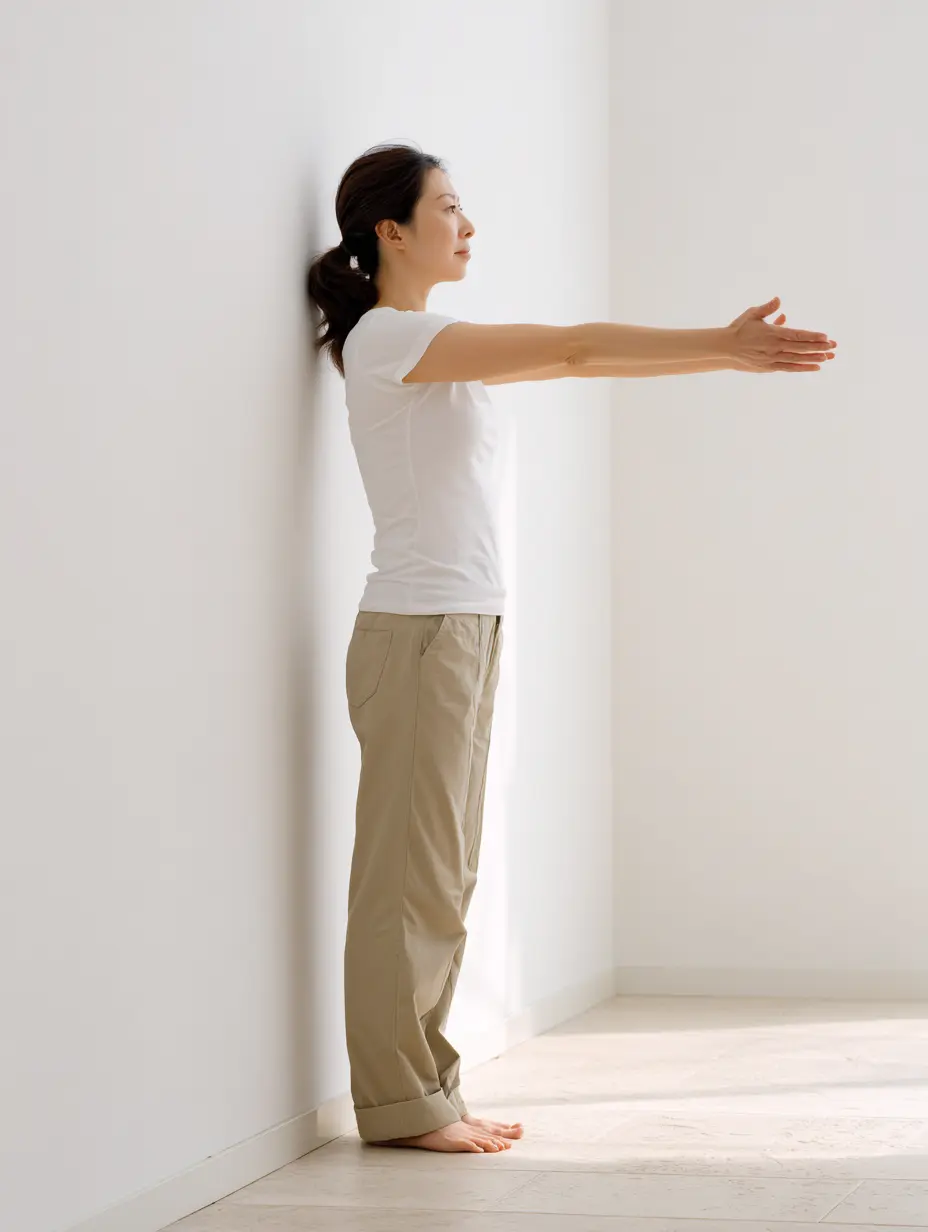
These exercises involve repeating a movement that may trigger your dizziness until it starts to improve. If you know a specific movement triggers your dizziness, start with that. Some examples include:
- Moving your head from side to side, up and down.
- Moving from sitting to standing.
- Turning around.
Start slowly, repeating 5-10 repetitions and ensure you take a rest in-between. You can repeat this exercise several times a day.
Vestibular Rehabilitation Exercises Videos
To help you follow these exercises, we have included some videos that you can watch:
- Beginner: https://www.youtube.com/watch?v=drRwAdjZ644
- Intermediate: https://www.youtube.com/watch?v=-syNzglsyM4
Frequency of Home Exercises
The frequency of your home exercises will depend on the severity of your symptoms. In general, you should aim to do the exercises at least three times a day. As your symptoms improve, you can gradually reduce the frequency of the exercises.
Prevention
There is no specific way to prevent vestibular issues completely. However, you may be able to reduce your risk of developing a problem by:
Avoiding Upper Respiratory Infections: Practice frequent hand washing, avoid close contact with people who have colds or the flu, and consider vaccinations to reduce the risk of viral infections that can trigger vestibular problems.
Managing Stress: Chronic stress can compromise immune function, so incorporating stress management techniques (like exercise, mindfulness, or adequate sleep) may help reduce vulnerability to infections.
Maintaining a Balanced Diet: A diet rich in fruits, vegetables, and whole grains can support immune health and reduce the risk of infections.
Staying Hydrated and Active: Both hydration and regular physical activity help support circulation and overall balance.
Lifestyle changes: Avoiding known triggers such as caffeine, alcohol and nicotine.
Outlook / Prognosis
The outlook for most vestibular issues is generally good. Many people recover completely with appropriate treatment. However, it's important to follow your doctor's instructions and to do your home exercises regularly to help improve your recovery. Some people may experience some residual dizziness or imbalance for a longer period.
It's important to maintain patience with the process and continue with your exercises. With consistent effort and following your doctor’s advice, most people find significant improvement in their symptoms and overall well-being.
Need Expert Advice?
Book a consultation with Mr Ahmad Hariri to discuss your symptoms and treatment options.
Book a Consultation