
Diet for Laryngopharyngeal Reflux (LPR)

Disclaimer: Disclaimer: This leaflet provides general information and is intended for educational purposes only. It should not be used as a substitute for professional medical advice, diagnosis, or treatment. Always seek the advice of a qualified healthcare professional for any health concerns or before making any decisions related to your health or treatment.
This leaflet may contain links to external websites or resources (e.g. YouTube) for demonstration purposes; however, these links are provided for information only. Clinicol.co.uk is not affiliated with, does not endorse, and is not responsible for the content, accuracy, or copyright compliance of these external sources. Use of these external links is at your own discretion and risk.
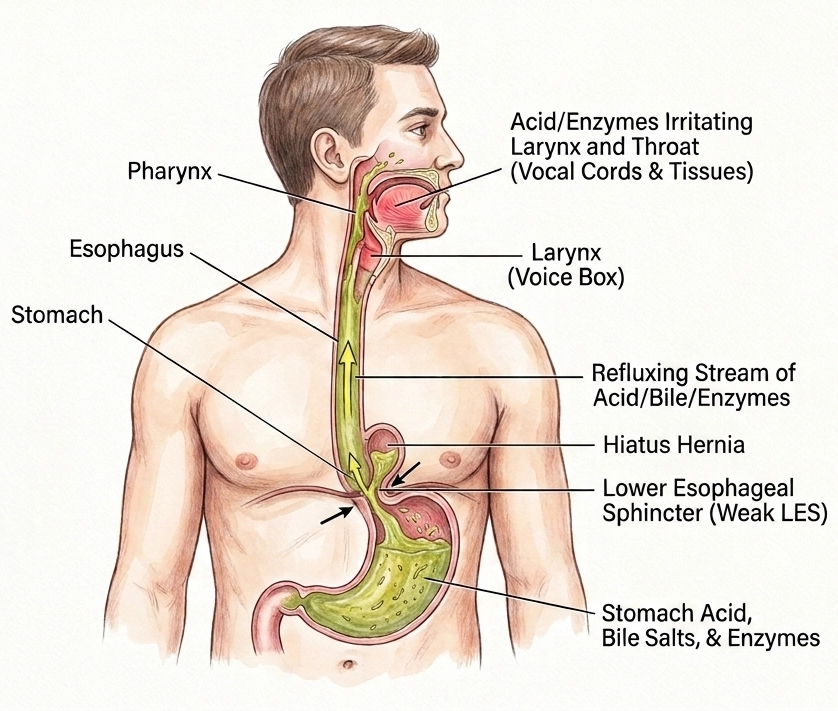
Understanding Laryngopharyngeal Reflux (LPR)
Laryngopharyngeal Reflux, often called "silent reflux," happens when the contents of your stomach—including acid and digestive enzymes—travel upwards into your food pipe, throat, and voice box. Unlike typical heartburn, which causes a burning sensation in the chest, this condition often affects the throat and voice directly without you feeling any pain in your chest at all.
Because the throat and voice box are very sensitive, even a small amount of stomach acid can cause significant irritation. Common signs that you may be experiencing this include a persistent sore throat, a hoarse or raspy voice, a feeling like there is a lump in your throat (often called "globus sensation"), a chronic cough, or the need to clear your throat frequently. You might also notice extra phlegm or mucus, a dry mouth, or even episodes where you wake up coughing or choking at night.
Dietary Adjustments to Manage Symptoms
Changing what and how you eat is the most effective way to calm the irritation in your throat. By making these adjustments, you can reduce the amount of acid reaching your voice box and allow your tissues to heal.
Foods and Drinks to Avoid
Certain items are known to relax the valve between your stomach and your food pipe, or they directly irritate the throat lining. To help your symptoms, try to limit or avoid the following:
- High-fat and fried foods: This includes crisps, pastries, cakes, biscuits, chocolate, and deep-fried items. Fatty foods take longer to digest, which keeps stomach acid present for longer.
- Acidic items: Citrus fruits (like oranges, lemons, and grapefruits) and their juices, tomatoes, and vinegar can be very irritating to a sensitive throat.
- Spicy foods: Ingredients like chilli, black pepper, garlic, and onions can trigger reflux in many people.
- Caffeine and alcohol: Tea, coffee (including decaffeinated versions), and alcohol—especially spirits and white wine—can make symptoms worse.
- Fizzy drinks: Carbonated beverages can cause bloating and pressure in the stomach, pushing acid upwards.
- Mint: Peppermint can relax the muscle that keeps your stomach contents down, so it is best to avoid it.
Healthy Eating Habits
It is not just about what you eat, but how you eat. Adopting these habits can make a big difference:
- Eat smaller, regular meals: Large meals put extra pressure on your stomach. Try to eat smaller portions more frequently throughout the day.
- Chew thoroughly: Take your time to chew your food well. This helps your digestion and reduces the work your stomach has to do.
- The three-hour rule: Avoid eating anything for at least three hours before you go to bed. This ensures your stomach is relatively empty when you lie down, making it harder for acid to travel up.
- Keep a food diary: Everyone is different. Keeping a simple note of what you eat and when your symptoms flare up can help you identify your own personal "trigger" foods.
- Try bicarbonate of soda gum: Chewing gum after meals can help neutralise acid and encourage saliva production, which helps wash the food pipe clean.
Lifestyle Changes for Better Comfort
Beyond your diet, small changes to your daily routine can significantly reduce the pressure on your stomach and protect your throat.
Sleeping and Posture
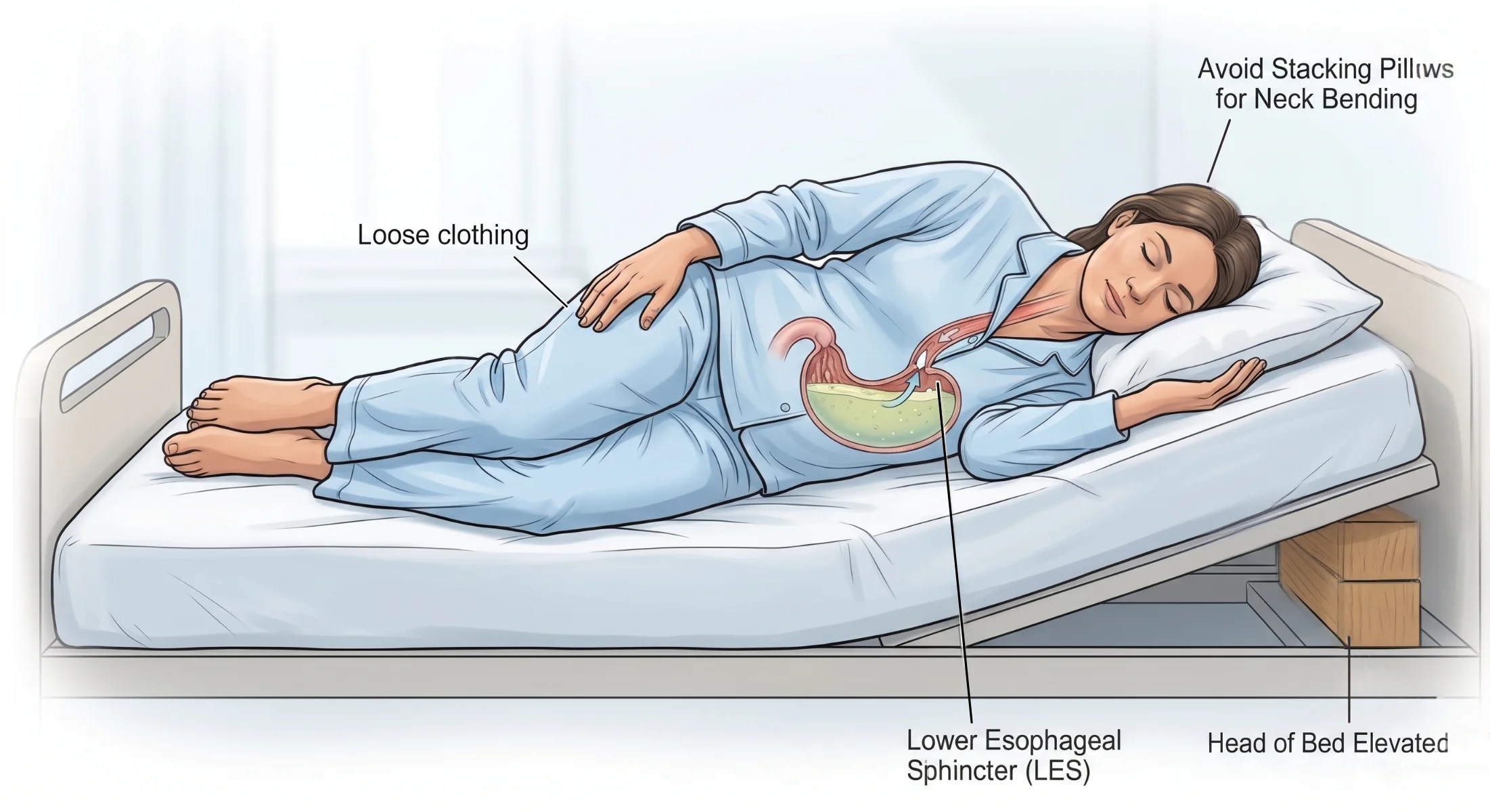
- Elevate your bed: Use blocks or sturdy books to raise the head of your bed by about 4 to 8 inches. It is important to raise the entire frame rather than just using extra pillows, as pillows can bend your neck and actually increase pressure on your stomach.
- Sleep on your left side: Research suggests that sleeping on your left side may help reduce the frequency of reflux episodes during the night.
- Watch your clothing: Avoid wearing tight belts or restrictive clothing around your waist, as this can squeeze your stomach and push acid upwards.
- Mindful movement: Avoid bending over at the waist after eating. If you need to pick something up, bend from your knees instead. Try to avoid heavy exercise or singing immediately after a meal.
General Wellbeing
- Weight management: If you are overweight, losing weight—particularly around the abdomen—can take significant pressure off your stomach.
- Smoking: Stopping smoking is one of the most important steps you can take, as smoking irritates the throat and weakens the valve that keeps stomach acid in place.
- Alcohol moderation: Try to keep your alcohol intake low, and avoid drinking late at night.
Medication and Medical Support
While lifestyle and diet changes are the foundation of your recovery, your doctor may suggest medication to help manage the symptoms while your throat heals.
- Antacids and Alginates: Products like Gaviscon can help by creating a protective barrier in your stomach. These are often taken after meals and before bedtime.
- Proton Pump Inhibitors (PPIs): These are prescribed medications (such as Omeprazole or Lansoprazole) that reduce the amount of acid your stomach produces. If prescribed, these are typically taken twice a day, usually 30 to 60 minutes before your breakfast and evening meal.
What to Expect During Recovery
It is important to be patient with your recovery. Because the tissues in your throat have been irritated for some time, they need time to repair themselves. You might start to notice some improvement in your symptoms after two or three months of consistent changes. However, it is quite common for throat and voice symptoms to take six months or longer to fully resolve.
If you find that your symptoms do not improve despite following this advice, or if you develop new symptoms such as difficulty swallowing, unexplained weight loss, persistent fatigue, or vomiting, please contact your GP. They can review your progress and ensure you are receiving the right support. Remember, LPR is a manageable condition, and with time and the right adjustments, most people see a significant improvement in their quality of life.
Need Expert Advice?
Book a consultation with Mr Ahmad Hariri to discuss your symptoms and treatment options.
Book a Consultation