
Nasal Douching with Pulmicort

Disclaimer: Disclaimer: This leaflet provides general information and is intended for educational purposes only. It should not be used as a substitute for professional medical advice, diagnosis, or treatment. Always seek the advice of a qualified healthcare professional for any health concerns or before making any decisions related to your health or treatment.
This leaflet may contain links to external websites or resources (e.g. YouTube) for demonstration purposes; however, these links are provided for information only. Clinicol.co.uk is not affiliated with, does not endorse, and is not responsible for the content, accuracy, or copyright compliance of these external sources. Use of these external links is at your own discretion and risk.
This leaflet provides information on how to use budesonide (Pulmicort®) with a saline nasal rinse, often using a NeilMed Sinus Rinse™ bottle. This treatment helps to reduce inflammation in your nose and sinuses.
What is Budesonide?
Budesonide is a corticosteroid medication. It works by reducing inflammation (swelling and irritation). While budesonide is often used in inhalers for asthma, in this case, you will be using it as a nasal rinse to directly target the inflammation in your nasal passages and sinuses.

Why Nasal Douching?
Nasal douching, also called nasal irrigation, helps to:
- Cleanse the nasal passages, removing mucus, crusts, allergens, and irritants.
- Moisturize the nasal passages.
- Improve the function of the cilia (tiny hairs) that help clear the sinuses.
- Deliver medication (in this case, budesonide) directly to the inflamed tissues.
- Reduce Nasal congestion.
What You Will Need:
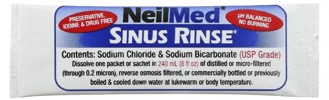
- Budesonide Respules (Pulmicort®): This is a liquid form of budesonide, available by prescription only. Your doctor will prescribe the correct strength.
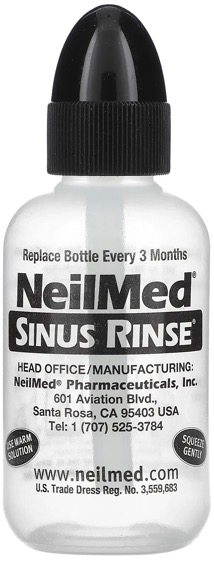
- NeilMed Sinus Rinse™ Bottle: This is the preferred delivery system, but a Neti pot can also be used.
How to Prepare the Nasal Rinse:
- NeilMed Sinus Rinse™ Sachets OR Ingredients for Homemade Saline Solution: You can use pre-mixed sachets or make your own solution (recipe below).
- Distilled, Sterile, or Previously Boiled Water: It's crucial to use water that is safe for nasal rinsing to avoid introducing infection. Tap water is not safe unless it has been boiled and cooled.
Option 1: Using NeilMed™ Sachets
- Wash Your Hands: Always start with clean hands.
- Fill the Bottle: Fill the NeilMed Sinus Rinse™ bottle with 240ml (8oz) of distilled, sterile, or previously boiled and cooled water. The water should be lukewarm (body temperature).
- Add the Sachet: Empty one NeilMed Sinus Rinse™ sachet into the bottle.
- Add Budesonide: Open the Budesonide respule(s) and squeeze the prescribed contents into the bottle (see dosage information below).
- Mix: Tighten the cap on the bottle. Place one finger over the opening of the cap and gently shake or swirl the bottle until the contents are fully dissolved.
Option 2: Using Homemade Saline Solution
- Prepare the Water: If using tap water, boil it and then let it cool to lukewarm. Do not rinse your nose with hot water. Distilled or sterile water does not need to be boiled.
- Make the Saline: In a clean container, combine the following:
- 240 ml (1 cup/½ pint) of lukewarm distilled, sterile, or previously boiled water.
- 1/2 teaspoon of non-iodized salt (kosher, canning, or pickling salt is best; avoid table salt with additives).
- 1/2 teaspoon of baking soda (sodium bicarbonate).
- Mix: Stir the mixture until the salt and baking soda are completely dissolved.
- Add to Rinse Bottle: Pour the homemade saline solution into your NeilMed Sinus Rinse™ bottle.
- Add Budesonide: Open the Budesonide respule and squeeze the prescribed contents into the bottle (see dosage information below).
- Mix: Secure the cap and gently shake or swirl.
Important Notes on Water Safety:
- Never use plain tap water for nasal rinsing without boiling it first. It can contain microorganisms that are safe to drink but dangerous in the sinuses.
- Homemade saline solution should be stored at room temperature and discarded after 3 days.
Budesonide Dosage:
Your doctor will prescribe the correct dose of budesonide for you. The dose will depend on whether you are already taking other corticosteroid medications (such as inhalers for asthma or other conditions).
- Patients NOT taking other corticosteroids: The usual dose is 1mg/2ml budesonide added to 240ml of saline solution, used twice daily.
- Patients taking other corticosteroids: The usual dose is 0.25mg/2ml or 0.5mg/2ml budesonide added to 240ml of saline solution, used twice daily. Your doctor will determine the appropriate dose.
How to Use the Nasal Rinse:
- Position: Stand over a sink or in the shower. Tilt your head forward and slightly to one side.
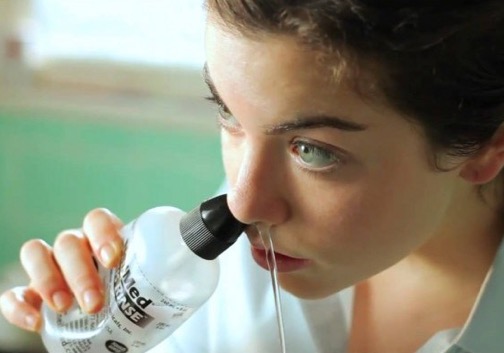
- Insert: Gently insert the nozzle of the NeilMed bottle into one nostril. Aim the nozzle towards the back of your head, not the top.
- Squeeze: Keeping your mouth open, gently squeeze the bottle to allow the solution to flow into your nostril. It should flow out the other nostril or your mouth. Do not hold your breath.
- Flow: Continue squeezing until about half of the solution (120ml) has been used.
- Repeat: Repeat the process on the other nostril with the remaining solution.
- Blow Gently: After rinsing both nostrils, gently blow your nose unless your doctor has advised you not to.
- Say "Ka-Ka-Ka": To help keep the solution from going down the back of your throat, say "ka-ka-ka". Do not swallow the solution, spit it out.
Frequency:
- You should typically perform the nasal rinse twice daily, once in the morning and once in the evening, or as directed by your doctor.
- Your doctor will tell you how long to continue this treatment however it is safe to be continued long-term.
Cleaning the NeilMed Bottle:
Clean the bottle, cap, and tube thoroughly after each use:
- Rinse: Rinse all parts with running water.
- Wash: Fill the bottle with warm water and a few drops of dish soap. Attach the cap and tube, shake vigorously, and squeeze the bottle to clean the inside of the tube and cap.
- Rinse Again: Rinse thoroughly with clean water to remove all soap residue.
- Dry: Allow all parts to air dry completely on a clean paper towel.
- Sterilize (if you have an infection): Wash with dish soap followed by vinegar and water to sterilize the bottle, and then wipe the tip with an alcohol swab.
Possible Side Effects:
- Stinging or Burning: You may experience a mild stinging or burning sensation, especially when you first start using the rinse. This usually improves with continued use. If it's very uncomfortable, you can try reducing the amount of salt in your homemade solution slightly.
- Nosebleeds: Occasional minor nosebleeds can occur. If you experience frequent or heavy nosebleeds, stop using the rinse and contact your doctor.
- Ear Fullness: Some people may feel a temporary fullness in their ears.
- Systemic Absorption: Although budesonide is applied locally, a small amount can be absorbed into the bloodstream. Long-term use has been shown to be safe and studies suggest that blood cortisol levels are unchanged at recommended doses. Discuss any concerns with your doctor.
When to Contact Your Doctor:
- If you experience severe or persistent stinging/burning.
- If you have frequent or heavy nosebleeds.
- If your symptoms worsen or do not improve after the prescribed treatment period.
- If you develop any signs of infection, such as fever, thick yellow or green nasal discharge, or severe facial pain.
- If you have any other concerns about your treatment.
Need Expert Advice?
Book a consultation with Mr Ahmad Hariri to discuss your symptoms and treatment options.
Book a Consultation